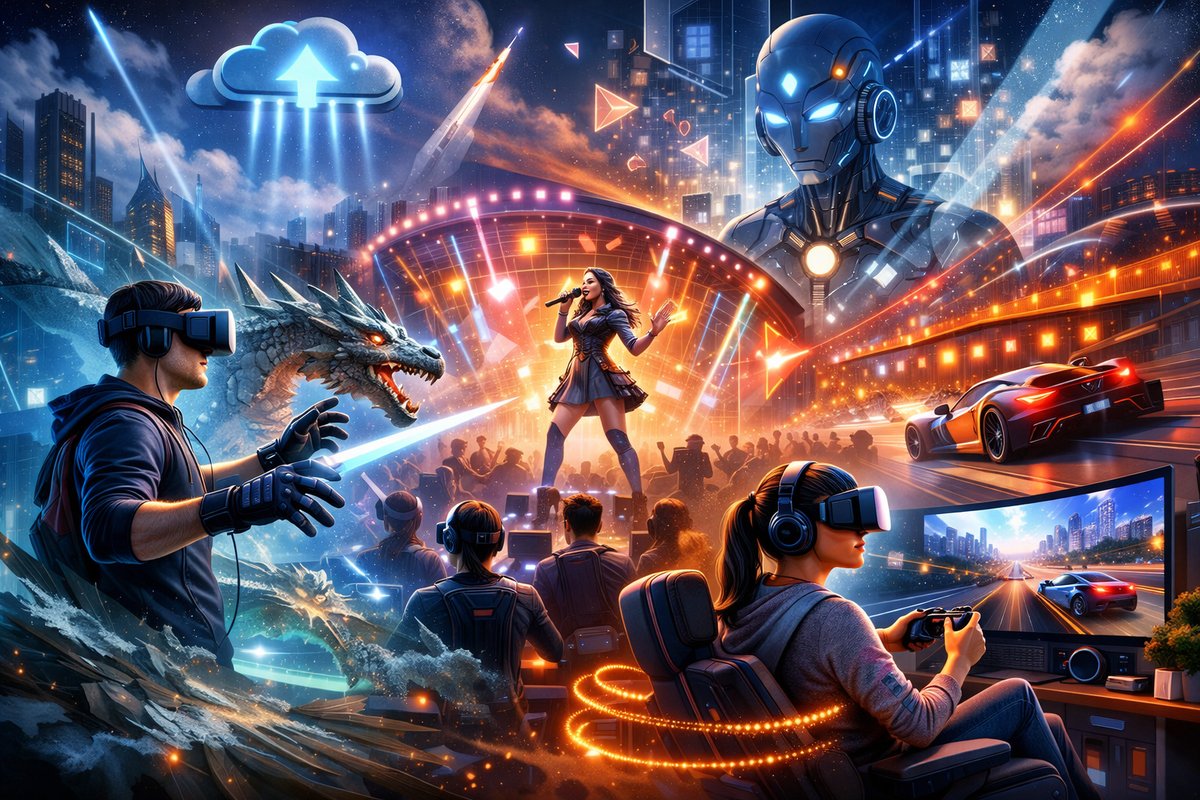

A new era of play is unfolding. What began as simple pixelated diversions has grown into sprawling, interactive ecosystems where fans don headsets for shared concerts, compete in cloud-hosted arenas and sculpt entire narratives with AI. Recent announcements at industry showcases have lifted the curtain on next-generation venues and technologies that promise to shift experiences well beyond couch-sized screens.
Major arcade chains are rolling out high-fidelity virtual reality suites equipped with full-body tracking, advanced haptic suits and synchronized group play. Visitors duck behind physical barricades that mirror in-game environments, while haptic gloves let them feel the recoil of futuristic weapons or the gentle pulse of a virtual creature. This blend of physical and digital scenery blurs the line between spectator and participant – a sign of how seriously play is taken by both developers and audiences.
If brick-and-mortar spaces are evolving, so too is the cloud. Esports organizers have begun hosting tournaments on cloud-streaming platforms that allow mobile devices, consoles and desktops to tap into remote game servers. These events run seamlessly on modest hardware, lowering barriers for competitors who might lack the latest gaming rigs. Cross-play features unite diverse communities, while integrated voice translation tools foster communication in real time across language barriers. The result is broad, fluid access to high-stakes competition without the need for local infrastructure.
Music and entertainment industries are following suit. Interactive in-game concerts now draw millions of simultaneous viewers in digital amphitheaters, where avatars dance beneath pulsing lights. Onlookers can trigger visual effects, unlock exclusive merchandise drops and even remix portions of a live performance. Outside the virtual realm, smartphone-based augmented reality adds a layer of immersion for home audiences – projecting holographic stage sets onto living rooms and backyards. Fans who once convened at stadiums can now experience front-row sensations through personal devices and spatial audio setups that mimic real acoustics.
Back at home, the living room is morphing into a mini amphitheater. Enthusiasts are outfitting spaces with tunable LED ambient lighting that shifts color according to in-game events or the emotional tone of a virtual concert. Acoustic panels and compact subwoofers carve out sonic sweet spots, while network-optimized routers ensure lag-free gameplay and streaming. Even furniture has caught up: swivel chairs with embedded vibration motors sync with in-game effects, delivering tactile feedback during dramatic battle sequences or car chases.
Behind the scenes, AI-driven engines are spawning dynamic worlds that adapt to player decisions in real time. Non-player characters exhibit emergent behaviors, forging alliances, rivalries or plot twists without developer intervention. Procedural narrative tools assemble scenes on demand: players may stumble on a hidden civilization whose architecture and customs form a branching storyline never before seen. This level of unpredictability fuels endless replay value and fuels communities that share spontaneous discoveries.
These technical feats carry practical implications for novices and veterans alike. For newcomers, plug-and-play headsets and cloud-based guides flatten the learning curve. Intuitive tutorials scaffold skills from basic controls to advanced motion tracking. Veteran players, by contrast, gravitate toward customizable setups with modular accessories – detachable haptic vests, interchangeable controllers and bespoke audio rigs – that enhance performance and personalization.
While competition remains a spark, collaboration is becoming the backbone of modern play. Social hubs inside virtual worlds allow friends to experiment in mini-sandbox experiences – from building medieval fortresses to orchestrating dance parties under neon skies. Developers are opening their creation tools to user-generated content platforms, where modders upload custom skins, soundtracks and level designs. This co-creative culture fuels innovation and keeps communities engaged long after official support ends.
Streaming personalities and content creators are also adapting. Instead of mere broadcasts, they host interactive watch-parties where viewers vote on in-game choices or trigger chaotic events mid-match. This two-way channel turns passive audiences into active participants, heightening the thrill of discovery and spectacle. It’s no longer about watching someone else play – it’s about joining a collective narrative as it unfolds.
Governments and city planners have noticed too. Pilot programs are integrating virtual tourism with local cultural heritage, offering remote visitors augmented tours of archaeological sites or heritage festivals. Patrons don mixed-reality glasses that overlay historical reconstructions on ruins, while local guides steer them through live 360-degree streams. These initiatives aim to democratize access to global landmarks and boost sustainable tourism without large crowds damaging fragile environments.
Amid all this digital interplay, design thinking has taken center stage. Accessibility features like haptic alerts for hearing-impaired users and adjustable difficulty curves ensure that no one is left behind. Developers are testing eco-mode settings that limit frame rates and power draw to reduce energy consumption during marathon sessions. Even packaging and physical accessories are undergoing material audits to replace plastics with recycled or biodegradable alternatives.
Looking ahead, several trends stand out:
– Mixed-reality meetups: Hybrid events that blend in-venue audiences with virtual attendees are poised to become the norm for conventions, tournaments and live concerts.
– Neurofeedback gaming: Early labs are exploring brain-computer interfaces that adjust game difficulty based on real-time emotional and cognitive signals.
– Virtual coworking spaces: As remote work and play converge, shared digital offices may incorporate gamified productivity tools, daily check-ins and collaborative puzzles to foster team cohesion.
For players keen to stay on the cutting edge, now is the time to update home gear and explore public venues. Whether it’s the thrill of a cloud-hosted tournament or the sense of wonder at an AI-driven narrative, these innovations promise to reshape how we define fun and focus. Beyond mere entertainment, they underscore an essential truth: in an age of limitless possibility, play remains our greatest tool for learning, creativity and connection.
-
Vr Headset - Amazon.com
Find wireless and portable VR headsets for entertainment and gaming. Discover options with impressive field of view and comfort features. -
Razer Freyja HD Haptic Gaming Chair Cushion: Multi-Directional ...
Buy Razer Freyja HD Haptic Gaming Chair Cushion: Multi-Directional Haptics - Haptic EQ Customization via Razer Synapse - HyperSpeed Wireless & Bluetooth ... -
Interior Car LED Strip Lights APP Control, 5 in 1 RGB 16 Million ...
5 in 1 RGB 16 Million Colors Ambient Lighting Kit with 236 inches Fiber Optic, Music Mode Inside Car Lighting Decorations -
Wireless Gaming Headphones - Amazon.com
Logitech G325 Lightspeed Wireless Bluetooth Gaming Headset, All-Day Comfort, Built-in Mic with Noise Reduction, 24-Bit Audio, 24+ Hr Battery Life, for PC, ... -
MageGee Mechanical Gaming Keyboard, New Upgraded Blue ...
104 mechanical keys are conflict free, allowing you to press or hold multiple keys simultaneously. 12 multimedia combination keys on the top of the keyboard ( ...