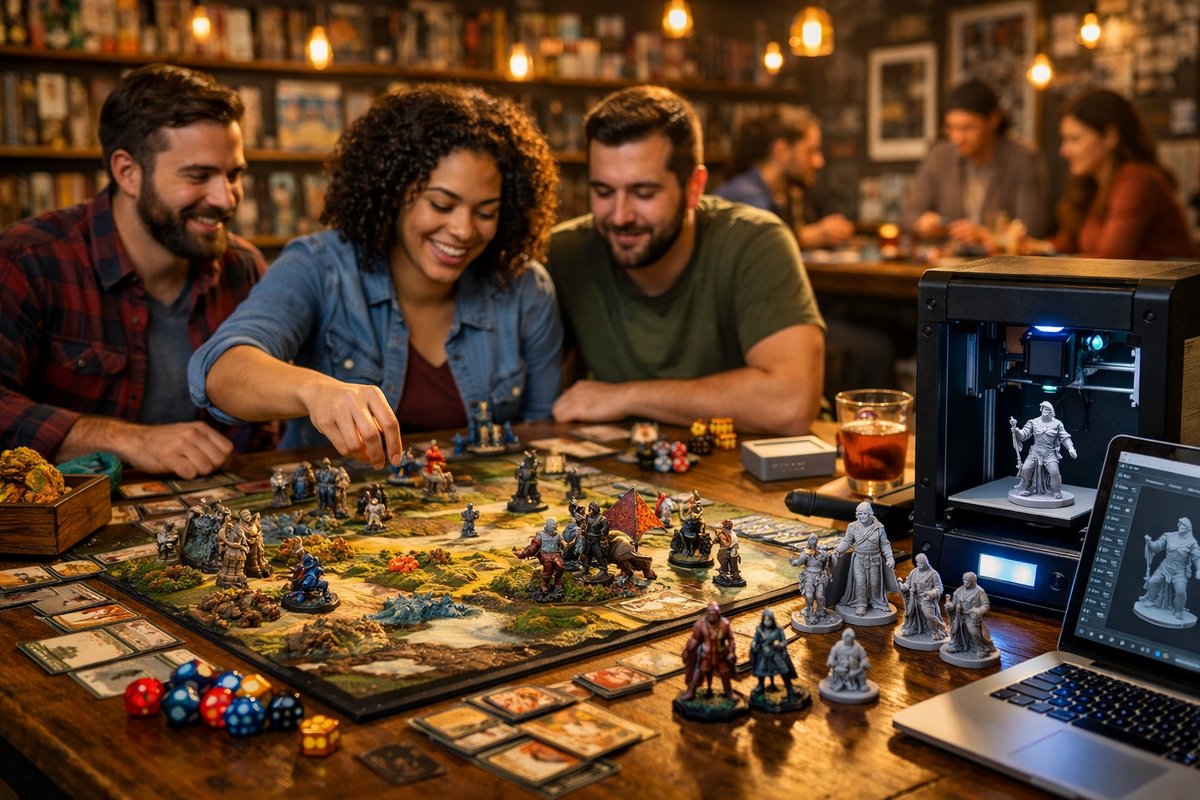

A soft click of a die against wood. The whir of a 3D printer crafting the tiniest of warrior figurines. The murmur of strategy whispered over a shared board. In an age dominated by digital experiences, tabletop gaming is undergoing an unexpected revival, transforming cafés, community centers, and living rooms into vibrant gathering spots.
Long perceived as relics of a pre-digital past, board games and role-playing sessions are now thriving on the promise of genuine interaction. A recent survey of hobby retailers in major metropolitan areas found a 25 percent increase in foot traffic as consumers seek face-to-face play. Cafés dedicated entirely to analog diversions-from strategy epics to cooperative card decks-report nightly sell-outs, with newcomers and veterans alike eager to explore both classic titles and boutique releases.
At the heart of this resurgence lies a fundamental human craving: creative collaboration. “There’s a spark you can’t replicate through a screen,” says the owner of a rapidly expanding gaming café. Patrons gather around communal tables, sharing snacks and laughter as they negotiate alliances, bluff opponents, and celebrate daring comebacks.
Modern technology has found its way into this movement, but as a supplement rather than a replacement. Companion smartphone apps track character sheets, manage timers, or generate dungeon maps on the fly. Augmented reality overlays can project animated battlefields on tabletops. Still, the tangible feel of moving a card, rolling weighted dice, or arranging colorful cubes remains the core allure.
Personalization is another driving force. Enthusiasts are bringing digital fabrication home with affordable 3D printers capable of producing detailed miniatures and terrain pieces. Online repositories offer hundreds of printable designs-from ancient ruins to space cruisers-allowing players to customize armies and landscapes in vivid plastic form. That DIY approach doesn’t stop at printing. Many hobbyists invest in miniature painting kits, acrylic brushes, magnifiers, and LED desk lamps to bring every sculpted character to life with precise shading and metallic highlights.
Storage and organization have also become an art form. Foam-insert trays fit snugly into portable carrying cases, ensuring that delicate tokens and dice sets stay protected throughout transit. Gamers on the move appreciate folding gaming tables with detachable legs, which can fit into car trunks alongside backpacks and coolers. These modular surfaces can convert any coffee table or park bench into an impromptu war room.
Community events mirror the hybrid spirit of analog play. Local meet-ups often host theme nights-zombie survival scenarios, retro pixel card games, or epic space operas. Some organizers introduce creative twists by combining live performance: actors in costume roam between tables as non-player characters, offering secret quests or bartering rare game pieces. Players describe these gatherings as immersive theater where everyone shares starring roles.
The economic impact is tangible. Independent publishers have seen record Kickstarter funding for innovative game designs that blur the line between board game and escape room. Retailers report that high-quality components-laser-cut wooden tokens, metal coins, linen-finish cards-justify premium pricing as players value durability and tactile beauty over disposable mass market releases.
Aside from social benefits, tabletop gaming can sharpen cognitive skills and foster emotional resilience. Negotiation, resource management, pattern recognition, and collaborative problem-solving translate into real-world strengths. Parents and educators are hosting strategy nights to engage students with history, math, and storytelling in an interactive format.
Yet the analog revival isn’t without challenges. Space constraints in urban apartments make sprawling game boards impractical, and the cost of specialized gear can be daunting. That’s where multipurpose tools shine. Portable lighting rigs attach to shelves or clip onto game boxes, providing even illumination without requiring a dedicated hobby desk. Stackable storage crates double as seating or side tables, optimizing small living areas.
Looking ahead, the future of play seems neither fully digital nor purely analog but a fusion of both. Virtual tabletop platforms allow friends separated by hundreds of miles to share the same board and voice chat in real time-then meet in person for that final climactic session. Designers are experimenting with hybrid titles that combine puzzle-filled physical booklets with online unlock codes, balancing screen time with page-turning discovery.
What remains constant is the human desire to gather, imagine, and collaborate. Whether it’s the thud of heavy dice on felt or the quiet hum of a resin model curing under UV light, the sensory richness of tabletop gaming offers an antidote to isolation. In communities around the world, analog play is forging new friendships, reigniting dormant passions, and proving that the most innovative frontiers sometimes involve the simple act of sitting together around a table.
As the analog renaissance unfolds, one thing is clear: in the contest between pixels and pips, social connection and hands-on creativity are winning out. And for countless players, that might just be the greatest victory of all.