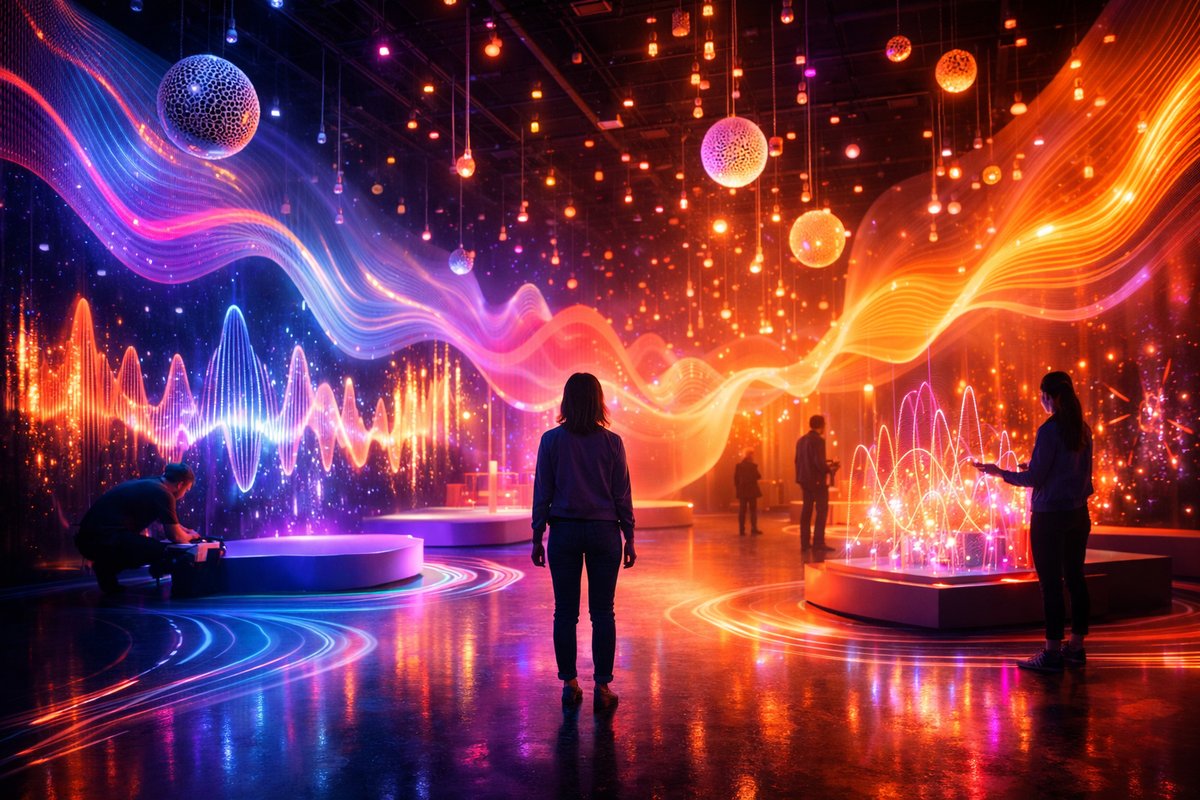

In the evolving landscape of art and design, a compelling trend is emerging that intertwines sensory experiences to form immersive and multisensory environments. Moving beyond the visual dominance of traditional art forms, creators are now integrating sound and color in unprecedented ways to evoke emotion, provoke thought, and deepen audience engagement. This synesthetic approach to artistic expression is reshaping how we perceive and interact with creative works, blending the boundaries between senses and crafting spaces that resonate on multiple levels simultaneously.
Synesthesia, a neurological phenomenon where stimulation of one sensory pathway leads to automatic experiences in another, has long fascinated neuroscientists and artists alike. While some individuals naturally experience cross-sensory perception, contemporary artists and designers are deliberately simulating these effects to engage wider audiences. By combining auditory and visual stimuli, these creators invite viewers to not only see but feel and hear the essence of their work.
One recent example of this approach is the rise of immersive installations where color pulses and shifts in harmony with curated soundscapes. These environments often utilize cutting-edge technologies such as spatial audio systems and programmable LED lighting to synchronize sound and color with precision. The result is a dynamic atmosphere that evolves in real-time, encouraging visitors to experience art as a living, breathing entity.
Beyond purely technological innovations, the philosophical implications of synesthetic art are profound. It challenges the compartmentalization of sensory input and questions the traditional hierarchy that privileges sight over other senses in the art world. By embracing a holistic sensory approach, artists foster a deeper connection between the work and its audience, allowing for more personal and emotive interpretations.
Moreover, this movement aligns with a growing cultural emphasis on mindfulness and presence. Immersive synesthetic environments encourage participants to slow down, to listen and observe simultaneously, cultivating heightened awareness and emotional resonance. In a fast-paced digital era saturated with fragmented information, these spaces offer a sanctuary where senses converge harmoniously.
From an educational standpoint, synesthetic art also opens new avenues for inclusive design. For audiences with sensory impairments, blending modalities can provide alternative pathways to access and appreciate creative expression. For example, pairing sound with color can make visual artworks more accessible to those with limited sight, while color-coded sounds may assist hearing-impaired visitors in navigating an installation.
The creative process behind these works often involves interdisciplinary collaboration, bringing together artists, sound engineers, neuroscientists, and technologists. This fusion of expertise not only enriches the final output but pushes the boundaries of what art and design can achieve. Collaborative workshops and residencies dedicated to multisensory creation are increasingly popular, signaling institutional recognition of this innovative direction.
Practically, the tools enabling this synthesis have become more accessible and affordable. Programmable LED lighting panels, wireless spatial audio systems, and intuitive design software allow even emerging artists to experiment with synesthetic concepts without prohibitive costs. This democratization fosters diversity and innovation within the field, encouraging a broad range of voices to contribute.
One fascinating application of synesthetic art is in therapeutic environments. Hospitals and wellness centers are beginning to incorporate sound-color installations to create calming and restorative spaces for patients. Research suggests that engaging multiple senses can reduce anxiety and enhance mood, demonstrating art’s potential as a catalyst for wellbeing.
Despite its promise, synesthetic art also presents challenges. Balancing sensory stimuli requires careful calibration to avoid overwhelming or alienating audiences. Artists must thoughtfully design their works to ensure that the interplay of sound and color enhances rather than distracts. Additionally, documenting and preserving these ephemeral, multisensory experiences poses unique curatorial questions.
Looking forward, as augmented and virtual reality technologies mature, the possibilities for synesthetic art will expand dramatically. Immersive digital worlds can simulate complex sensory interactions that transcend physical limitations, inviting users to explore creativity in boundless ways. These advancements promise to blur even further the distinctions between creator, artwork, and audience, fostering participatory and co-creative experiences.
Ultimately, the fusion of sound and color in contemporary art and design exemplifies a broader shift toward experiential, emotion-driven creativity. By engaging multiple senses, these works not only enrich aesthetic appreciation but also deepen human connection and empathy. In doing so, they invite us to rediscover the world as a vibrant tapestry of intertwined sensations and feelings, opening new dimensions for curiosity and wonder.
-
Programmable Led Sign, Double Line Digital Led Message Board ...
Amazon.com : Programmable Led Sign, Double Line Digital Led Message Board, Smart Light Strip Flexible Rgb Electronic Signage Banners, Scrolling Text Panel ... -
Led Light Signs for Car Windshield, DIY Programmable Scrolling ...
LED Car Sign, Programmable LED Matrix Panel Flexible Screen Display Animation Message Scrolling Sign APP Control for Cars, Shop, Bar, Party Festival. Best ... -
Soundcore Motion X500 Portable Bluetooth Speaker, Wireless ...
Immersive Spatial Audio: The soundcore algorithm transforms stereo sound into 3-channel spatial audio for an ultra-immersive experience. Certified Wireless ... -
Tronsmart 80W Loud Portable Wireless Speaker, Clear Spatial Hi ...
Powerful 80W Audio: Hi-Res sound with deep bass and clear highs. Custom EQ & Stereo Pairing: Tune audio and pair two speakers wirelessly. 14-Hour Playtime: Long ... -
Digital Performer 11 Audio Workstation Software (boxed full version)
Digital Performer lets you record, edit, arrange, mix, process and master MIDI and audio tracks simultaneously to produce musical recordings, sound tracks for ... -
Akai Professional MPC Live II Standalone Digital Audio Workstation ...
... Software Included and DAW Integration. Add. $24900. current price $249.00. Arturia KeyLab Essential 49-Note mk3 Universal MIDI Controller with Software Included ...