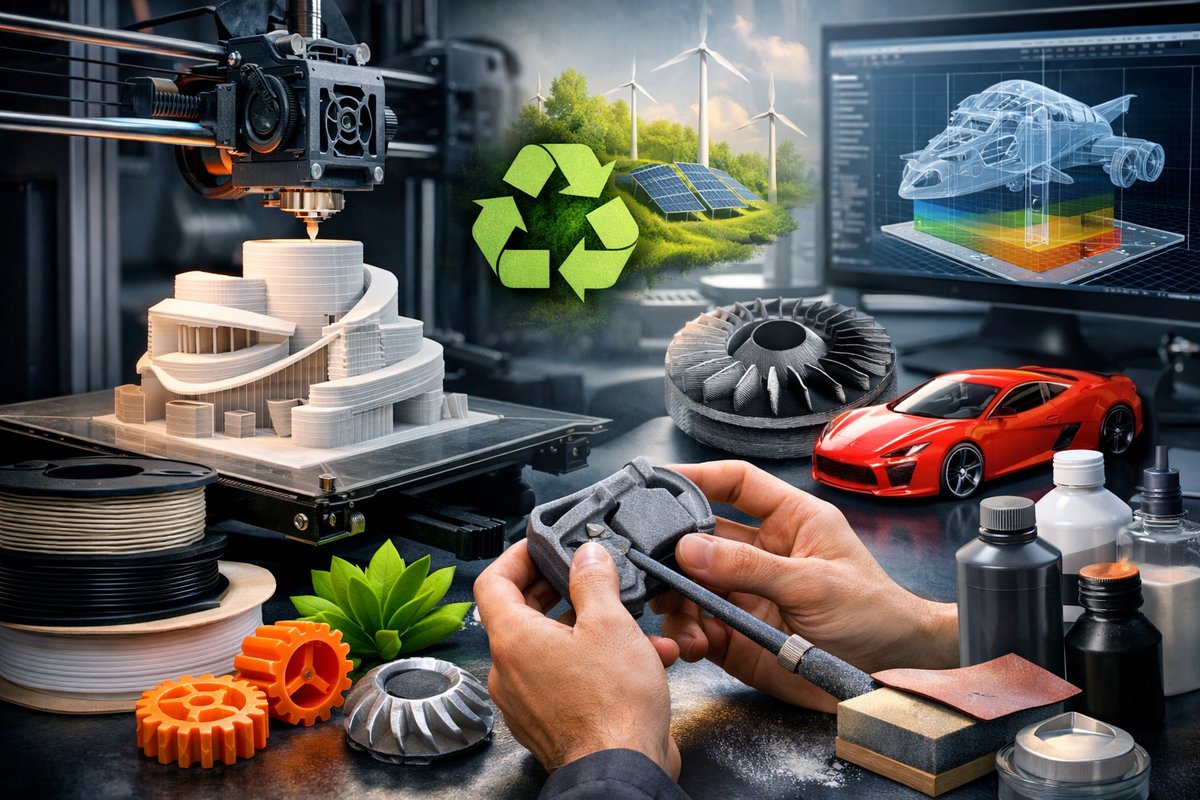

3D printing has blossomed from a niche prototyping tool into a versatile platform for hobbyists, educators, and industry professionals. By building objects layer by layer, this additive process unlocks geometric possibilities that were once impractical or impossible with traditional subtractive methods. Whether you’re crafting a functional prototype, an artistic sculpture, or replacement parts for household gadgets, understanding the underlying technologies, materials, and techniques is the first step toward mastering the medium.
The umbrella term “3D printing” actually covers several distinct processes. Fused deposition modeling (FDM) extrudes melted filament through a nozzle, stereolithography (SLA) cures liquid resin with light, and selective laser sintering (SLS) fuses powdered materials with a laser beam. Each approach offers unique advantages in terms of precision, speed, material compatibility, and post-processing requirements. Exploring these workflows can spark curiosity and help you choose the right path for a given project.
FDM remains the most accessible 3D printing method, prized for its affordability and ease of use. A heated nozzle deposits thermoplastic filament-typically PLA or ABS-onto a build plate, tracing each layer according to the digital model. Enthusiasts appreciate how straightforward it is to swap filaments, adjust layer heights, and dial in print temperatures for different materials. Modern FDM printers often include features like auto-bed leveling and removable build surfaces to reduce setup friction and boost first-layer success.
Resin-based SLA printers achieve exceptional surface finish and high resolution by curing ultraviolet-sensitive liquid in a vat, either point by point with a laser or layer by layer with a digital light projector (DLP). The result can capture fine details down to a fraction of a millimeter, making it ideal for jewelry prototypes, dental models, and intricate artistic pieces. Post-processing steps usually involve an isopropyl alcohol wash to remove uncured resin and a final UV cure to solidify the object fully.
SLS printers push boundaries by sintering powdered materials-such as nylon or metal alloys-with a laser beam. They can produce complex, functional parts without the need for support structures because the surrounding powder acts as its own scaffold. While SLS hardware tends to be more expensive and requires careful temperature control, it offers unmatched mechanical properties and design freedom, making it a staple in aerospace, automotive, and medical prototyping.
Material selection lies at the heart of any 3D printing project. Each medium brings its own mechanical, aesthetic, and environmental characteristics. Thermoplastic filaments range from biodegradable PLA to engineering-grade PETG, TPU, and composite blends filled with wood, metal, or carbon fiber. Photopolymer resins expand the palette further with options for flexible, transparent, or high-heat-resistant formulations. Powdered materials cover technical polymers, ceramics, and metals, each requiring specialized handling and safety measures.
PLA filament is favored by beginners for its low warping, minimal odors, and compatibility with most FDM machines. It is derived from renewable sources like corn starch, aligning with eco-conscious values. However, it can be brittle under stress and less heat-tolerant than alternatives. On the other hand, PETG combines strength and flexibility, while ABS resists higher temperatures and can be smoothed with acetone vapor. TPU and other flexible filaments open up wearable and impact-absorbing designs.
Photopolymer resins offer unparalleled detail but require thoughtful ventilation and handling. Standard resins work well for figurines and small models, while engineering resins deliver toughness or high temperature performance. Dental-grade and biocompatible options expand applications in healthcare. Mastering resin printing involves tuning exposure times, supporting delicate geometries, and learning safe cleaning procedures. Always wear nitrile gloves and work in a well-ventilated area to minimize chemical exposure.
Powder-based printing brings its own set of variables. Nylon powders can yield tough, flexible parts that survive repeated stress cycles. Ceramics and metal powders cater to advanced industrial uses but demand stringent safety protocols and equipment with built-in filtration. Many enthusiasts start with polymer powders through service bureaus before investing in in-house SLS gear. Each material requires calibration of laser power, layer thickness, and chamber temperature to achieve consistent fusion and mechanical performance.
Beyond the printer itself, a suite of tools and accessories streamlines the workflow. A digital caliper delivers precision measurements for both calibration and finished parts. A reliable scraper or build-plate removal tool prevents gouging surfaces while detaching prints. Specialized nozzle-cleaning needles and lubricants help maintain consistent extrusion. For resin printing, silicone-lined trays and sponges designed for IPA baths make cleaning safer and more efficient without contaminating your workspace.
Digital preparation is equally important. Slicer software translates 3D models into printable layers, giving you control over parameters like infill density, shell thickness, travel speeds, and support structures. Some applications feature advanced capabilities like variable layer height or organic support patterns that reduce material usage and printing time. Experimenting with different profiles, preview modes, and community-shared settings can accelerate your learning curve and minimize trial-and-error.
Post-processing transforms a raw print into a polished object. Sanding, priming, and painting FDM parts can conceal layer lines and achieve smooth finishes. Resin prints often benefit from gentle sanding between coats of primer to ensure even paint adhesion. Ultrasonic cleaners and UV curing stations automate repetitive tasks, freeing you to focus on creative refinements. Each stage invites a blend of craftsmanship and technical precision that deepens your emotional investment in the final result.
Sustainability is becoming an integral concern. Recycling programs for failed prints, filament scrap, and resin waste help close the loop. Biodegradable and compostable filaments reduce environmental impact, although their performance trade-offs should be evaluated for each use case. Sharing digital model repositories champions reuse over mass production. By adopting circular-economy practices-like reprocessing PLA flakes into new filament-you can minimize plastic footprint and align your workflow with broader ecological values.
For newcomers, a few guiding principles help avoid frustration. Start with a well-documented printer model and stick to manufacturer-recommended filament settings. Level the build plate carefully and perform test cubes before tackling complex designs. Join online communities to share successes and troubleshoot challenges. Remember that each failed print is a lesson in calibration, adhesion, or support-structure design rather than a setback. Building a foundation of patience and curiosity is as crucial as mastering any hardware setting.
Looking ahead, the horizon of additive manufacturing continues to expand. Multi-material printers that mix rigid and flexible polymers, desktop metal printers, and bioprinting platforms are gradually moving from research labs into maker spaces and small businesses. Advances in AI-driven slicing algorithms promise automatic optimization of print parameters for improved speed and reliability. As hardware becomes more accessible and materials more diverse, 3D printing will keep empowering individuals to turn ideas into tangible reality, one layer at a time.