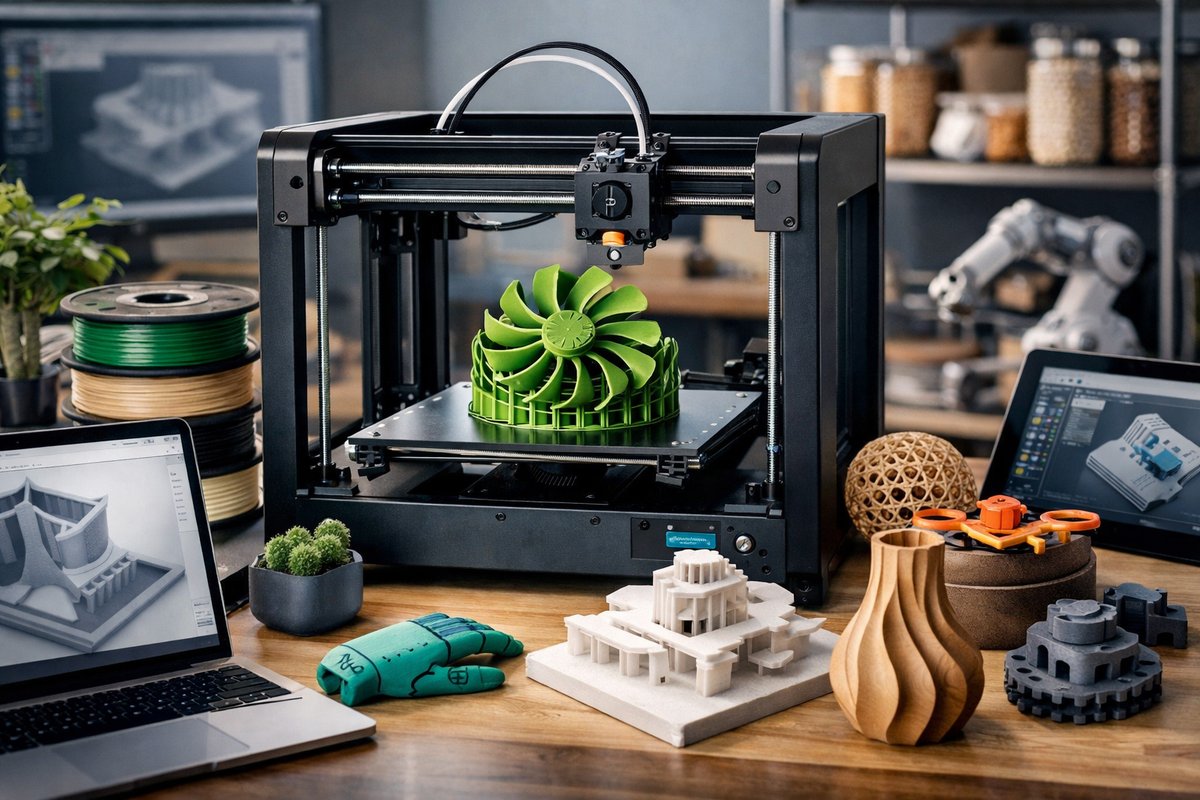

From intricate miniatures to functional prototypes and custom tools, 3D printing has reshaped how ideas take physical form. What began as a high-cost, experimental technology has matured into a versatile workflow embraced by hobbyists, educators, engineers, and medical professionals alike. Each layer of plastic, resin, or powdered metal builds not only an object, but an ecosystem of innovation where cost‐saving methods coexist with precision engineering. Today, tightening budgets and demands for sustainability drive new techniques to make the craft more economical, reliable, and ultimately rewarding.
At the heart of affordable desktop 3D printing lies material innovation. Traditional PLA and ABS filaments remain popular for their ease of use and low price per kilogram, but newcomers have expanded options. Recycled PLA made from post-consumer waste can reduce raw material costs by up to 30 percent, while biocomposite filaments infused with wood, metal, or carbon fiber offer functional properties-rigidity, thermal stability, or surface texture-without expensive hardware upgrades.
Take composite filaments, for example. By blending PLA with finely ground metal particles or natural fibers, makers achieve visual and mechanical effects once reserved for industrial machines. Metal-filled prints can be polished to a soft sheen, wood-fiber blends produce realistic grain patterns, and carbon fiber composites boost part strength. These advanced filaments cost slightly more than standard PLA but eliminate the need for separate post-production metal plating or sanding processes, saving both time and money.
Beyond filament, resin‐based 3D printing has also seen cost efficiencies. High-resolution stereolithography (SLA) and digital light processing (DLP) platforms are now available at hobbyist price points under $300. Low-viscosity resins cure faster and produce finer details, enabling faster batch printing of small parts like dental models or jewelry prototypes. Bulk-purchased resin, paired with reusable vats and simple washing stations, drives the per-part cost down to fractions of a dollar on small objects.
Hardware improvements play a crucial role in reducing failure rates and material waste. Sturdier metal frames, auto-bed leveling sensors, and dual-gear extruders minimize calibration time and ensure consistent filament flow. Open-source firmware updates add features like thermal run-away protection and adaptive stepper current control, preventing common print failures that squander plastic. These upgrades are often plug-and-play modules that DIY enthusiasts can install at minimal expense.
Multi-material printing-once limited to high-end industrial machines-has trickled into desktop setups through dual-extrusion hotends and tool-changing systems. By seamlessly switching between polycarbonate and flexible TPU in a single print, designers can embed flexible hinges or sealant features directly into a part, cutting out manual assembly steps. Users report time savings of 20 to 40 percent when complex assemblies are printed as unified models rather than glued subparts.
Optimizing the printing process itself can yield surprising savings. Smart slicing strategies-orienting parts to reduce support structures, adjusting infill patterns for strength without overuse of material, and lowering layer heights only where fine detail matters-slash filament consumption and print time. Batch processing multiple small objects on a single build plate further reduces the cost per piece by maximizing the printer’s uptime during long runs.
Software innovations are equally transformative. AI-driven slicers analyze a model’s geometry to recommend optimal settings, balancing speed, strength, and material use. Cloud-based monitoring platforms allow remote alerts when a print deviates from plan or completes, preventing overnight failures that waste hours of run time. Combined with open-source remote access tools, these systems enable farmers, garages, and small workshops to run 3D print farms with minimal staffing.
Sustainability remains a driving force behind economical 3D printing. Closed-loop recycling systems shred failed prints and waste brims into reusable filament, reducing the need for virgin plastic. Solvent recovery baths allow resin printers to clean parts with minimal chemical waste. Even simple measures like using scrap-filament splices and filament savers can cut material costs by 10 to 15 percent over a year of regular printing.
On the industrial end, innovations in powder-bed fusion and binder jetting are bringing metal and ceramic printing into accessible price ranges. New powder-recycling systems reclaim unused metal powder into the feedstock, lowering per-part costs for small-batch production runs. As metal 3D printing workflows mature, more makers can tap into lightweight, complex structural components for robotics, aerospace jigs, or custom tooling-once exclusive to large fabrication shops.
Maintaining and upgrading existing printers also extends their service life and reduces capital outlay. Simple additions like enclosure kits stabilize printing temperatures in cold environments, while upgraded nozzles with wear-resistant coatings handle abrasive filaments without frequent replacement. Regular calibration using precision gauge blocks or machined leveling plates ensures first-layer adhesion, cutting down on failed prints that consume time and material.
Community-driven open-source projects remain a bedrock of cost-effective innovation. RepRap-derived machines continue evolving through crowd-sourced firmware patches and hardware mods. Calibration models, test jigs, and tuning guides are freely shared on maker forums, enabling even novice users to dial in complex settings without hiring consultants. This spirit of collaboration accelerates the development of new techniques, making cutting-edge processes available to anyone with a curiosity and a printer.
Looking ahead, hybrid machines that combine subtractive CNC milling with additive printing, large-format delta printers, and even bio-printers for tissue scaffolds promise to broaden the 3D printing landscape. As parts become larger, materials more exotic, and workflows more automated, the cost per function will continue to decline. Each new layer of development adds both capability and affordability, widening the path for innovators to shape the physical world.
Whether you’re prototyping a custom tool, crafting surgical models, or simply experimenting with creative forms, economical 3D printing techniques empower you to explore ideas at minimal cost. By embracing material recycling, optimizing print settings, and leveraging community-built software, you can bring any concept from virtual design to tangible reality-one layer at a time.
-
Leila's Bear White Noise Night Light - Walmart.com
$16.99. DAYBETTER Moonlight Night Light for Kids Adults, 4Inch/3D Printing Moon Lamp Night Lamp for Bedroom Decor, 16 Color Moon Decor for Kids Bedroom Decor. -
Amazon.com: Vivaforte Wood PLA Filament Bundle, 1.75mm 3D ...
Amazon.com: Vivaforte Wood PLA Filament Bundle, 1.75mm 3D Printer Filament with 30% Real Wood Powder, 4 Colors Variety Pack (Light/Yellow/Ebony/Sandalwood), ... -
3D Pen PLA Filament Refill, Each Color 10feet 3D Printer ... - Walmart
3D Pen PLA Filament Refill, Each Color 10feet 3D Printer PLA Sample Pack, Compatible with Printing Pen ... Matte PLA Filament with Quick-Swap Reusable Spool 1kg ...