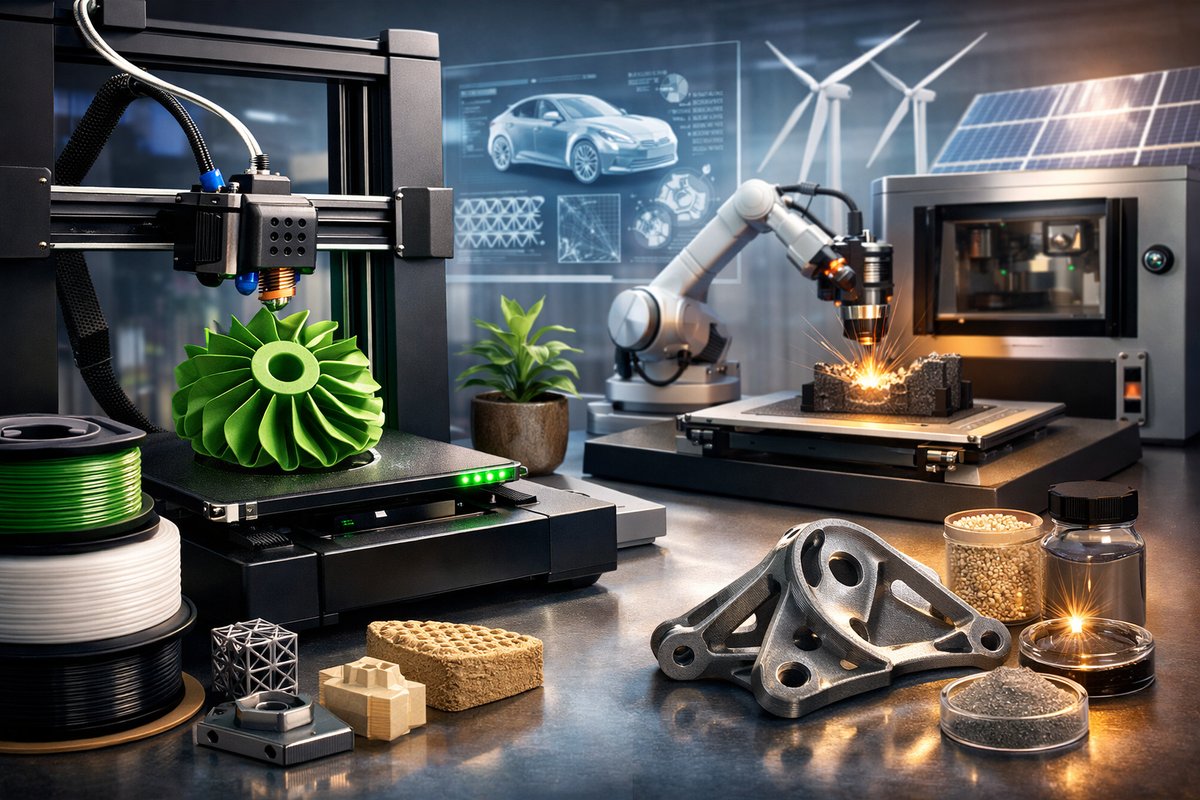

The world of 3D printing is witnessing a dynamic transformation, propelled by a wave of technological breakthroughs and inventive methodologies that are expanding its reach beyond traditional boundaries. Once confined to experimental labs and hobbyist workshops, 3D printing now serves as a critical enabler for industries ranging from healthcare and aerospace to fashion and architecture. At the heart of this evolution lies a concerted effort to make the process more economical, feasible, and successful – a goal achieved through smarter materials, enhanced machinery, and integrated workflows.
One of the foremost drivers of this new era is the development of advanced materials tailored for diverse applications. Beyond the conventional thermoplastics like PLA and ABS, innovators are pushing the envelope with composites infused with carbon fiber or glass beads, which deliver superior strength-to-weight ratios while remaining cost-effective. These composites enable the production of functional parts that can endure mechanical stress, making 3D printing a viable option for end-use components rather than just prototypes.
Simultaneously, biocompatible and biodegradable materials are gaining traction, particularly in medical and environmental contexts. For instance, resins that cure into flexible yet durable structures allow for the fabrication of customized implants and prosthetics that conform precisely to patient anatomy. On the sustainability front, research into plant-based and recycled feedstocks is helping reduce the environmental footprint of 3D printing, aligning the process with broader ecological values.
Hardware innovations are equally pivotal. The advent of multi-material printers capable of seamlessly switching between different filaments or resins within a single build has unlocked new creative possibilities. These machines can produce parts with varying textures, colors, or mechanical properties in one go, reducing assembly time and improving structural integrity. Moreover, developments in high-speed printing technologies, such as continuous liquid interface production (CLIP), have drastically shortened build times without compromising resolution.
Laser-based metal 3D printing has also seen significant leaps. Techniques like selective laser melting (SLM) and direct metal laser sintering (DMLS) now benefit from improved laser control and powder handling systems, resulting in finer detail and fewer defects. These advances make metal additive manufacturing more feasible for complex aerospace components and custom tooling, where precision and reliability are paramount.
Another frontier reshaping 3D printing’s feasibility is the integration of artificial intelligence and machine learning. AI-driven slicing software optimizes print paths and parameters dynamically, adapting to material behavior and environmental factors in real time. This results in higher success rates and less material waste. Additionally, predictive maintenance powered by AI helps keep printers operational by foreseeing mechanical issues before they cause downtime.
Hybrid manufacturing approaches are also gaining momentum. By combining additive and subtractive methods-such as 3D printing a near-net shape followed by CNC machining-manufacturers can achieve superior surface finishes and tighter tolerances. This synergy extends the range of applications and enhances overall process efficiency.
On the software side, open-source platforms and cloud-based repositories are democratizing access to design tools and digital models. Collaborative ecosystems allow users to share optimized print settings and troubleshoot collectively, lowering barriers for newcomers and fostering continuous improvement. This communal knowledge base accelerates experimentation and innovation, fueling the joyful spirit of making that defines 3D printing culture.
Moreover, recent advances in post-processing techniques are addressing longstanding challenges related to surface quality and durability. Automated cleaning and curing stations streamline the finishing process, while novel chemical treatments enhance material properties without extensive manual labor. These refinements contribute to the economic viability of 3D printing by reducing labor costs and turnaround times.
In educational and hobbyist contexts, the proliferation of affordable, user-friendly printers equipped with intuitive interfaces is nurturing a new generation of makers. These accessible machines encourage hands-on learning and creative exploration, reinforcing the emotional connection between creator and creation. The resulting empowerment aligns with values of curiosity and sustainability, as users iterate designs rapidly and minimize waste.
Looking ahead, the convergence of these technologies and techniques paints a promising picture for 3D printing’s role in the future of fabrication. Economical materials, faster and smarter hardware, AI-enhanced workflows, and collaborative software ecosystems collectively drive a quiet revolution in how objects are conceived and realized. This layered process-both literal and metaphorical-continues to unfold, inviting makers of all kinds to participate in shaping a more innovative, sustainable, and accessible world of making.
-
PETG Carbon Fiber 3D Printer Filament, 1.75mm, Carbon Fiber ...
Buy PETG Carbon Fiber 3D Printer Filament, 1.75mm, Carbon Fiber Reinforced, Dimensional Stability,Wine Red at business.walmart.com Facilities Maintenance, ... -
FLASHFORGE AD5X Multi-Material 3D Printer 4-Color Printing ...
Build for Speed and Full-Color Printing: Bring your creative vision to life with vibrant and multicolored 3D prints in 4-colors. With speed of up to 600mm/s ... -
Multi-Material 3D Printer, Fully Assembled 3D Speed 1-Click Print ...
Buy Multi-Material 3D Printer, Fully Assembled 3D Speed 1-Click Print with DIY Creations, Suitable for Beginners Mini 3D Printer, Full-Auto Calibration ... -
INCERUN Men's Shiny Metal Mesh Vest See-through O-neck Tank ...
Mens Hawaiian Vest Breathable Tank Tops Novelty 3D Graphic Gym Workout Sleeveless T-Shirt Tees ... SLM Men's 3 Tank Top Undershirts A-Shirt. 3 options. Available ...