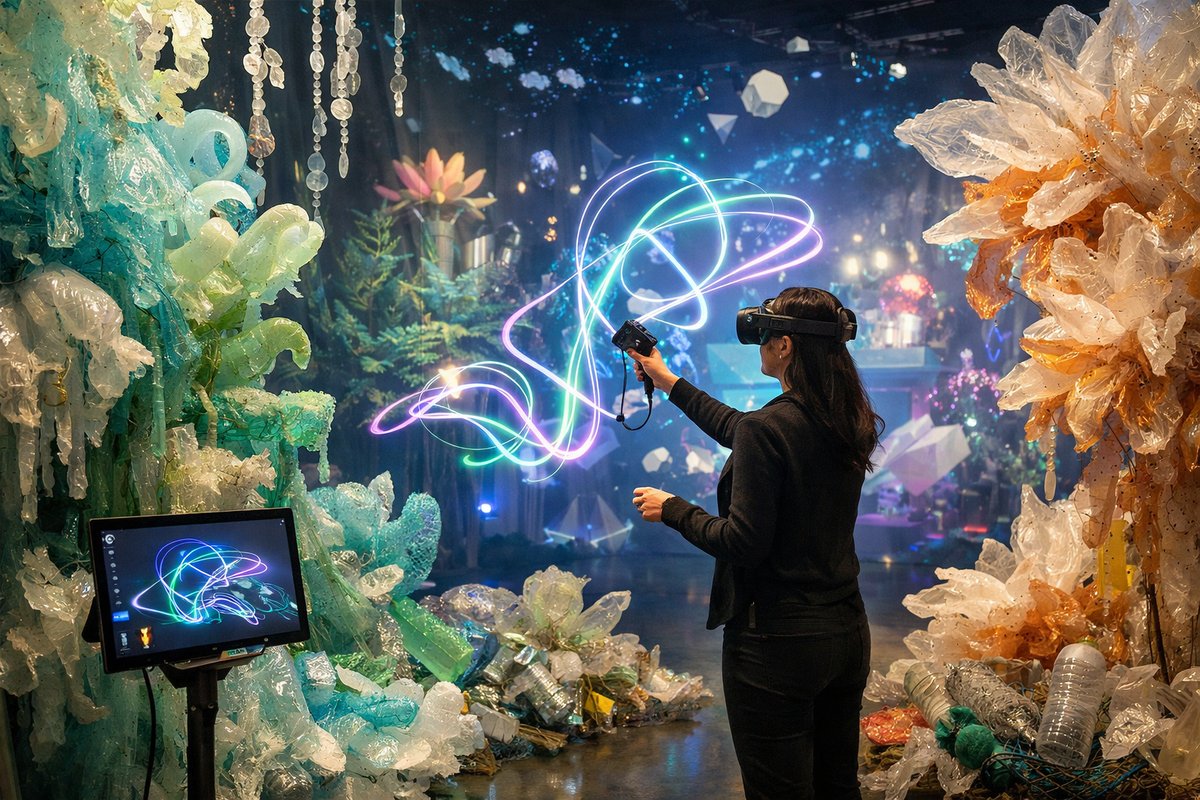

A recent pop-up exhibition in an old textile mill showcased a giant sculpture assembled from shredded ocean plastic and illuminated by shifting projections. As visitors stepped inside, they donned augmented reality viewers that layered digital brushstrokes and kinetic graphics onto the weathered concrete walls. This multimedia showcase captures a growing trend in art and design: the convergence of eco-aware materials and interactive technologies to craft experiences that are as thought-provoking as they are visually striking.
Across galleries and design studios worldwide, artists and creators are experimenting with plant-based resins, mycelium composites and recycled polymers to replace traditional oil-based plastics. These materials serve as both conceptual statements about our relationship to the environment and as versatile building blocks for new forms. A sculptor might blend bioplastic sheets with embedded LED strips that respond to ambient sound, while a furniture designer works with mycelium-grown panels finished in earth pigments. At the same time, digital illustration platforms are enabling remote collaboration, with multiple artists sketching over a single canvas in real time-even if they’re continents apart.
One of the most striking facets of this movement is how it dissolves the boundary between physical and virtual art. A portfolio presented by a collective of designers pairs 3D-printed relief maps of city streets with an interactive mobile app. Visitors can point their phone camera at the relief model, triggering animations that illustrate planned green corridors, solar panel arrays and public art commissions in the urban space. In this way, the project becomes a dynamic proposal for city planning and community engagement rather than a static display.
Sustainability advocates in the design community note that embracing recycled materials often opens unexpected creative pathways. A painter experimenting with pigment powders sourced from spent coffee grounds and algae biomass discovered that these earth-derived colors shift subtly under different lighting conditions, in contrast to the more uniform pigments produced in factories. These nuanced hues lend each piece a sense of impermanence and organic change-echoing the lifecycle of the materials themselves.
Meanwhile, digital sculptors are making waves with accessible desktop 3D printers and parametric modeling software. Designers download open-source templates for ergonomic lamp stands or decorative wall tiles, then customize forms to fit unique spatial dimensions. The ability to iterate quickly-adjusting curves or perforation patterns and printing new prototypes overnight-has accelerated the pace of experimental product design. At the same time, shared online repositories allow novices to learn from seasoned makers, fostering a community-driven approach that blurs the line between professional designer and hobbyist.
Museums and galleries have taken notice. A major contemporary art space recently piloted an installation that pairs tactile clay vessels created by local artisans with an AR headset experience. As viewers handle the vessels, the headset overlays historical context, video interviews and digital patterns that highlight the vessels’ cultural origins. The museum’s goal is twofold: spotlight traditional craft techniques and engage younger audiences through interactive storytelling.
Tech companies are also testing ways to integrate design tools into wearable formats. Early prototypes of lightweight AR glasses let designers overlay virtual sketches onto real-world surfaces. A graphic designer can stand in an empty studio, sketch virtual murals on the walls and tweak colors on the fly-all without a single drop of paint. Once satisfied, the designer exports the digital artwork to a CNC-guided projector or large-format printer to transform the concept into a physical installation.
For art students and emerging designers, these developments signal a shift in necessary skills. Portfolio reviews now weigh fluency with digital sketching apps and parametric modeling alongside mastery of traditional media. Workshops on sustainable material sourcing and fabrication techniques are popping up in art schools, while hackspaces offer evening courses on 3D printing and laser cutting. The cross-disciplinary nature of these programs fosters collaboration between painters, coders, architects and engineers.
The impact extends beyond professional circles. Community centers are running weekend classes in eco-printmaking, where participants use natural dyes made from plant extracts to create one-of-a-kind textiles. Pop-up studios in vacant storefronts host digital collage nights, inviting curious passersby to remix photographs and scanned drawings into shared virtual canvases projected on the shop windows. These grassroots efforts democratize access to art-making and spark dialogue around material consumption and digital culture.
Collectors and private patrons are adapting too. Instead of commissioning oil paintings framed in gilded wood, some are funding limited-edition runs of bio-resin lighting fixtures that cast organic shadow patterns on walls. Others invest in digital art NFTs tied to physical prints, combining ownership of a blockchain token with exclusive access to a handmade paper reproduction. This hybrid model addresses concerns about provenance in digital art while celebrating the tactile delight of crafted objects.
Even the hospitality sector is getting in on the trend. A boutique hotel recently unveiled suites adorned with recycled glass chandeliers and digital murals that shift hues according to the time of day. Guests can use a touch-sensitive console to adjust the lighting scheme or call up immersive projections themed around local history. By weaving sustainable design elements with smart technology, the hotel offers an experiential stay that feels bespoke and environmentally conscious.
Of course, challenges remain. Sourcing consistent batches of bio-based materials can be unpredictable, leading to fluctuating costs and quality. Digital formats often face questions of preservation and platform obsolescence. Will an augmented reality piece created today still display correctly a decade from now? Institutions are scrambling to establish best practices for archiving digital-physical hybrids and ensuring that future generations can experience these works as intended.
Still, the momentum is undeniable. As artists and designers continue to experiment at the intersection of materials science and interactive media, our visual culture is expanding in thrilling new directions. The next time you step into a gallery or scroll through an urban design proposal, you might find yourself marveling at a sculpture grown from mushrooms, a virtual painting that breathes with real-time data or a collaborative 3D installation co-created by dozens of strangers around the globe.
This convergence of pigment, pixel and purpose invites us to reconsider the role of the artist as a steward of both material sustainability and user experience. Far from being a niche trend, this movement signals a broader shift toward design thinking that prioritizes ecological responsibility, technological fluency and inclusive participation. In a world hungry for fresh perspectives, the marriage of organic materials and digital tools charts a vibrant course for the future of creative expression.