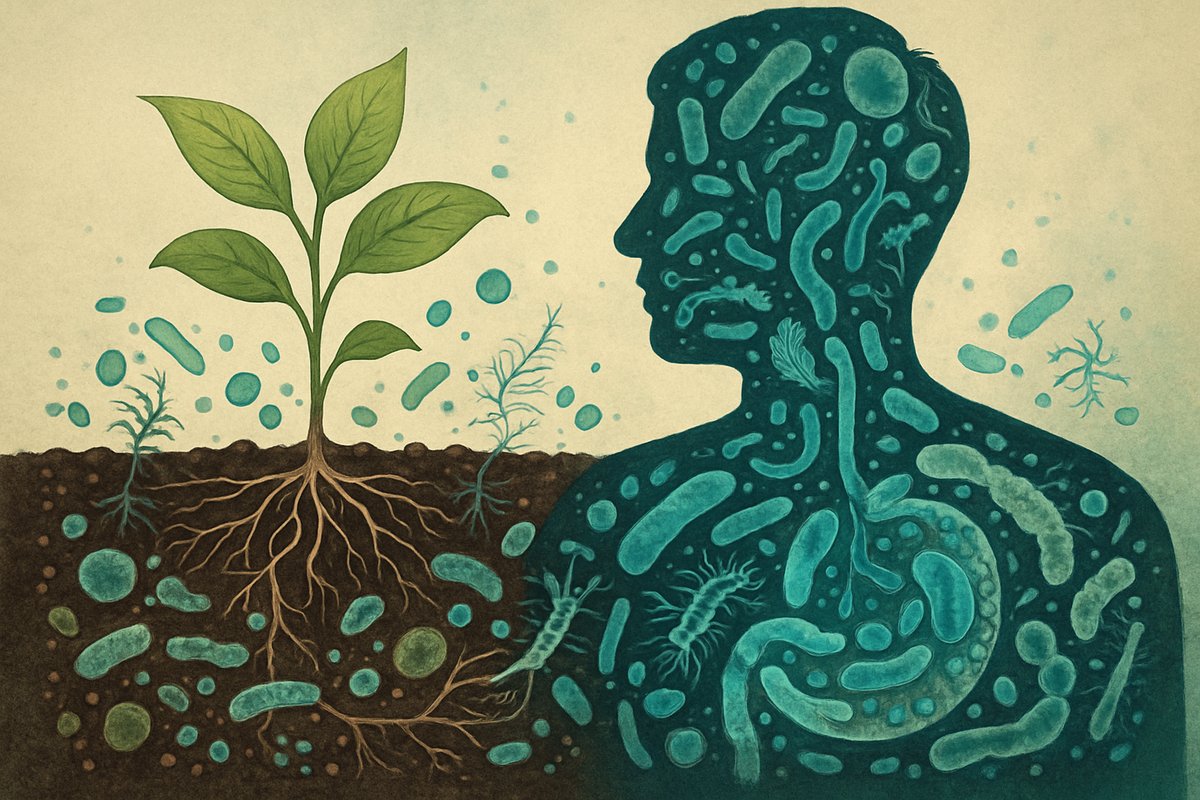

Deep beneath the forest floor, a bustling city of microbes carries out transactions vital to every living thing. These invisible architects cycle nutrients, detoxify pollutants, and forge partnerships with plants, animals, and even each other. As researchers uncover the social dynamics and collective intelligence of microbial communities, they’re unlocking sustainable solutions for food security, clean energy, and ecosystem resilience.
Organic Networks Underfoot
Walk through any garden and you disturb a vibrant marketplace of bacteria, fungi, and protozoa. Rather than acting as solitary cells, many microbes form biofilms: sticky matrices where thousands of individuals pool resources and communicate through chemical signals. This quorum sensing allows them to coordinate actions-digesting complex compounds, fending off invaders, or producing growth factors that nourish plant roots. Recent studies show that disrupting these networks can impair soil fertility, while nurturing them with tailored organic amendments enhances crop yields with fewer chemical fertilizers.
Bioremediation: Nature’s Cleanup Crew
When oil slicks stain coastlines or industrial runoff poisons waterways, microbial communities rush in as nature’s first responders. Certain bacteria break down hydrocarbons by secreting enzymes that cleave toxic molecules into harmless fragments. Fungi, too, contribute by absorbing heavy metals and transforming them into less soluble forms. Field trials in gulf marshes and former mining sites demonstrate that boosting native populations with selective nutrients-like simple sugars or nitrogen sources-can accelerate cleanup by orders of magnitude. These success stories are paving the way for large-scale bioreactors that treat contaminated groundwater and soil on-site without harmful byproducts.
Symbiotic Allyships in Agriculture
Plants have evolved intimate partnerships with microbes that extend their nutrient-gathering reach. Mycorrhizal fungi colonize root systems, extending microscopic filaments deep into the soil to scavenge phosphorus, nitrogen, and trace minerals. In exchange, plants provide sugars synthesized through photosynthesis. Similarly, nitrogen-fixing bacteria live inside root nodules of legumes, converting atmospheric nitrogen into ammonia that feeds the plant. By integrating microbial inoculants-commercial preparations of beneficial strains-farmers reduce the need for synthetic fertilizers, cut greenhouse gas emissions, and boost soil health over successive growing seasons.
Microbiomes Beyond the Gut
Conversations about microbiomes often focus on human digestion, but our skin, nasal passages, and even indoor environments host complex microbial ecosystems. These communities help train our immune systems, ward off pathogens, and influence mood and behavior through gut-brain biochemical pathways. Architects and building engineers are beginning to design “living walls” and ventilation systems that encourage beneficial microbes indoors while suppressing harmful ones, aiming for healthier schools, hospitals, and workplaces. Emerging portable monitoring devices let homeowners gauge bacterial diversity in real time, empowering data-driven decisions about cleaning products and ventilation strategies.
Powering Tomorrow with Microbial Fuel Cells
Imagine charging a device simply by feeding a drop of wastewater into a bioelectrochemical system. Microbial fuel cells (MFCs) harvest electrons released when bacteria break down organic matter, generating a small but steady current. While still maturing, MFC prototypes now power sensors in remote wetlands and power low-energy devices in developing regions. Researchers are experimenting with hybrid reactors that combine wastewater treatment, biogas production, and electricity generation in a single modular unit-turning sewage into a resource rather than an environmental hazard.
Citizen Science and Open Data
Unraveling the complexity of microbial communities demands massive datasets and global collaboration. Community-driven projects invite enthusiasts to collect soil, water, or even air samples for DNA sequencing. Smartphone apps guide novices through sterile collection protocols, while cloud-based platforms let volunteers explore their personal microbiome profiles alongside thousands of peers. Open data repositories encourage researchers to apply machine learning algorithms that reveal patterns invisible to traditional analysis. By democratizing access to microbiome science, we ensure discoveries aren’t confined to elite labs but reflect diverse ecosystems and human populations.
Ethical Stewardship and Biosafety
Harnessing microbial power carries responsibilities. Engineered strains used in agriculture or bioremediation must be rigorously tested to prevent unintended ecological impacts. International guidelines and local regulations govern field trials, ensuring safeguards against horizontal gene transfer or invasive behavior. Scientists emphasize transparency, publishing methods and risk assessments so communities can weigh benefits and uncertainties. These principles of responsible innovation safeguard both biodiversity and public trust as microbial technologies scale up.
The Next Horizon
Microbial science sits at the intersection of curiosity, sustainability, and societal need. From unlocking new antibiotics produced by soil bacteria to designing biomanufacturing platforms for biodegradable plastics, the microbial world offers nearly limitless potential. As sequencing costs plummet and bioinformatics tools become more accessible, we’ll gain sharper insights into the metabolic dialogues that underpin life on Earth. In the coming decade, blending microbial wisdom with green engineering could yield self-repairing materials, odorless waste treatment, and carbon-negative building products-all guided by communities of organisms we can’t see with the naked eye.
By embracing the invisible architects beneath our feet and within our bodies, we stand to transform how we grow food, clean our environments, and generate energy. As scientists, citizen researchers, and everyday stewards of microbial habitats, our role is to nurture these partnerships responsibly, ensuring a healthier planet for generations to come.
No affiliate links found for this post.