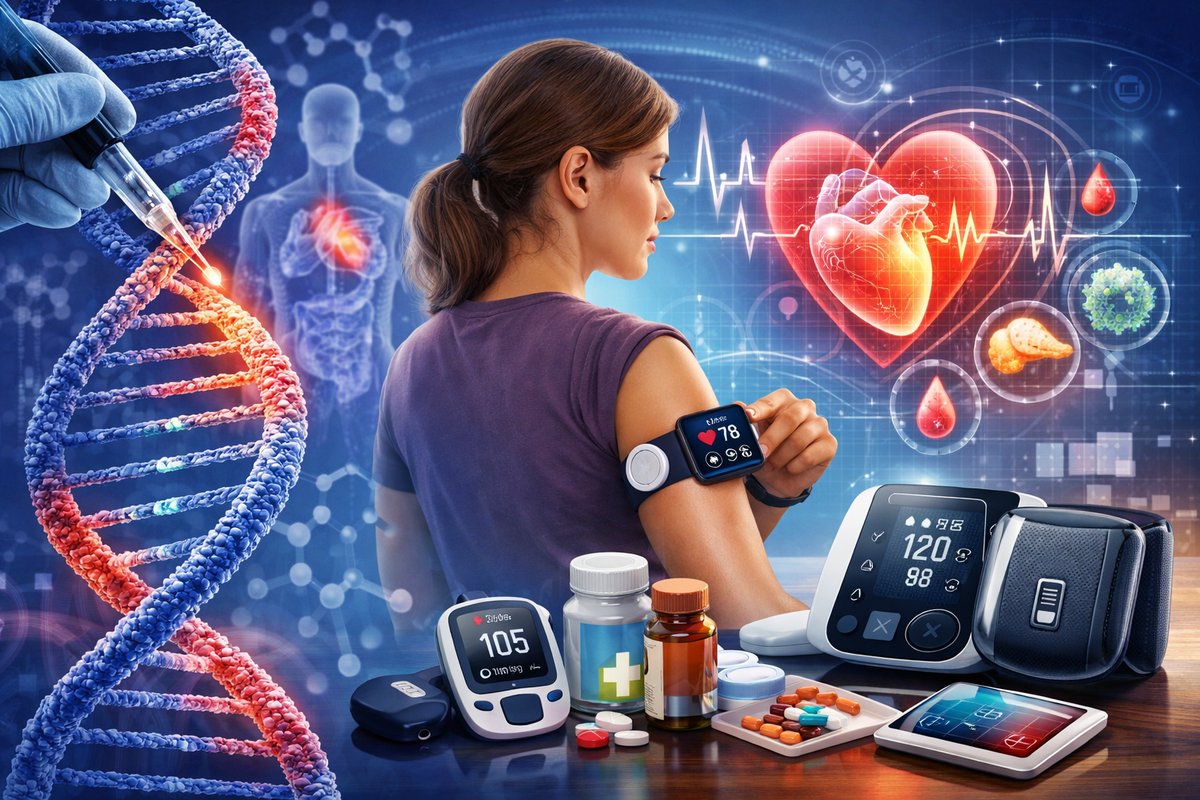

For millions living with chronic conditions-from rheumatoid arthritis and multiple sclerosis to diabetes and chronic obstructive pulmonary disease (COPD)-daily life can feel like a relentless quest for relief. Traditional treatments often focus on managing symptoms rather than addressing root causes, leaving many patients in a cycle of medication adjustments, side effects, and uncertainty. But a new era of medical innovation is emerging, powered by breakthroughs in genetics, cell biology, digital health, and personalized nutrition. These modern miracle cures don’t just mask symptoms; they aim to restore function, rebalance the immune system, and even reverse disease pathways.
At the heart of this transformation lies precision medicine, an approach that tailors therapies to an individual’s genetic profile, lifestyle factors, and environmental exposures. By decoding the genomic variants that predispose someone to a condition, researchers can develop targeted therapies that correct or compensate for those defects. In some cases, these interventions can produce long-lasting remission or functional cures.
Equally groundbreaking are advances in cell and gene therapies. Imagine reprogramming a patient’s own immune cells to attack an autoimmune disease or delivering a healthy copy of a faulty gene to affected tissues. These strategies are already gaining regulatory approval for conditions such as spinal muscular atrophy and certain types of inherited blindness, and clinical trials are underway for everything from inflammatory bowel disease to sickle cell anemia.
Of course, the promise of high-tech treatments must be balanced with practical considerations. Many emerging therapies require specialized infusion centers, long treatment regimens, and significant financial investment. That’s why a supportive ecosystem of remote monitoring devices, nutritional supplements, and stress-management tools is vital for patients navigating complex care pathways. These tools empower individuals to track progress, optimize their environment, and maintain momentum between doctor visits.
In this article, we survey five major categories of modern cures for chronic illness-gene editing, cell therapy, immunomodulation, digital health, and microbiome interventions-highlighting notable successes and ongoing challenges. We’ll also recommend everyday products and devices that can enhance comfort, support adherence, and deepen engagement in one’s own healing journey.
Gene Editing: Correcting the Blueprint
The advent of CRISPR and other gene-editing technologies has lit a spark of hope for monogenic chronic diseases-those driven by mutations in a single gene. Conditions such as familial hypercholesterolemia, sickle cell disease, and certain forms of muscular dystrophy are now targets for therapies that cut and paste DNA with unprecedented precision.
Early clinical trials have demonstrated that editing bone marrow stem cells outside the body, then reintroducing them, can normalize blood chemistry in patients with sickle cell disease. Researchers are also exploring direct in vivo editing-delivering gene editors via nanoparticles or viral vectors to specific tissues-offering a potential one-time treatment rather than lifelong medication.
Yet challenges remain: off-target effects, immune reactions to delivery vehicles, and ethical considerations around germline editing. As regulatory pathways evolve, transparency and long-term follow-up will be essential to ensure safety and public trust.
Cell Therapy: Harnessing Living Medicine
Cell therapy uses living cells as therapeutic agents, repurposing the body’s natural building blocks to repair damage or modulate disease. CAR-T therapy, which engineers a patient’s T cells to seek and destroy cancer cells, has already achieved remarkable success in certain blood cancers. Similar strategies are under development for autoimmune conditions like lupus and rheumatoid arthritis, where reprogrammed regulatory T cells could quell destructive inflammation.
Mesenchymal stem cells, sourced from bone marrow or adipose tissue, are being tested in trials for everything from chronic kidney disease to spinal cord injury. These cells secrete growth factors and cytokines that promote tissue repair, reduce scarring, and recalibrate immune responses. Although they don’t permanently engraft, repeated infusions may offer sustained benefits with minimal side effects.
The cost and logistical complexity of cell manufacturing, however, pose barriers to widespread adoption. Advances in bioreactor technology, automation, and off-the-shelf “allogeneic” cell banks aim to streamline production and reduce price tags.
Immunomodulation: Rebalancing the System
For autoimmune and inflammatory illnesses, the immune system itself becomes the target. Instead of broad immunosuppression, biologic drugs can selectively block key molecules-such as interleukins, tumor necrosis factors, or Janus kinases-that drive destructive inflammation.
Newer agents boast improved safety profiles and longer dosing intervals, enabling patients to gain control over flares with fewer injections or infusions. Oral small molecules that inhibit specific intracellular pathways are also emerging, offering convenient alternatives to injectable biologics.
Beyond pharmaceuticals, low-dose radiation therapy and photobiomodulation (light therapy) are being explored as non-drug approaches to dampen hyperactive immune responses with minimal collateral damage to healthy tissues.
Digital Health: Data-Driven Care
The power of personalized medicine is amplified by real-time monitoring and telehealth. Wearable sensors and ingestible biosensors can track biomarkers-glucose levels, heart rhythms, inflammatory markers-minute by minute. When integrated with smartphone apps and cloud platforms, these devices enable predictive analytics, automated alerts for dangerous trends, and virtual check-ins with care teams.
Digital therapeutics-evidence-based software programs-help patients manage chronic pain, depression, and insomnia through cognitive behavioral therapy modules delivered on mobile devices. Studies show that consistent engagement with these tools can reduce medication use and improve quality of life.
Privacy, data ownership, and equitable access are critical considerations. Patients must retain control over who sees their health data, and digital solutions should be designed for diverse populations, including older adults and communities with limited broadband access.
Microbiome Interventions: Cultivating Healthy Communities Within
Once dismissed as mere digestive passengers, gut microbes are now recognized as key players in immune regulation, metabolic control, and even mood. Fecal microbiota transplantation (FMT) has been a lifesaver for recurrent Clostridioides difficile infections and is under study for ulcerative colitis and metabolic syndrome. Targeted prebiotics, probiotics, and postbiotics aim to nurture beneficial species while suppressing harmful ones.
Personalized approaches-profiling an individual’s microbiome and creating bespoke microbial cocktails-are emerging in early-phase trials. Although standardization and safety protocols are still evolving, the concept of “feeding” your inner ecosystem represents a paradigm shift in chronic care.
A Supportive Ecosystem: Practical Tools for Patients
While awaiting the broad availability of high-end therapies, patients can leverage an array of accessible devices and products to optimize daily wellness:
- Wearable health trackers that monitor sleep, activity, and heart rate variability to inform lifestyle adjustments
- High-quality air purifiers for those with respiratory conditions like asthma and COPD
- Ergonomic support pillows and cushions to ease chronic musculoskeletal discomfort
- At-home genetic testing kits that offer insights into drug metabolism, nutrient needs, and exercise responses
- Infrared light therapy devices for noninvasive pain relief and inflammation reduction
- Smart blood pressure monitors and continuous glucose monitors that sync with mobile apps for trend analysis
Integrating these tools into a cohesive self-management plan can empower patients, reduce emergency visits, and foster more productive conversations with healthcare providers.
Challenges and the Road Ahead
Despite the excitement, several hurdles must be addressed. Regulatory frameworks need to keep pace with novel modalities, ensuring rigorous evaluation without stifling innovation. Health equity remains a pressing concern: the cost of advanced therapies and disparities in access can exacerbate existing gaps for underserved communities.
Long-term safety data for gene and cell therapies are still being gathered, and potential risks-such as immune reactions or unintended gene changes-require vigilant surveillance. Public education around these complex treatments is crucial to combat misinformation and build trust.
Looking forward, the convergence of technologies-combining AI-driven drug discovery, 3D bioprinting of tissues, and next-generation immunotherapies-promises integrated solutions that address multiple disease pathways simultaneously.
A New Chapter in Chronic Care
The journey to curing chronic illnesses is no longer a distant dream but an unfolding reality. While many modern miracle cures are still emerging from labs and clinical trials, the ripple effects are already transforming patient experiences. From gene editing that corrects genetic defects to digital therapeutics that reshape behavior, each innovation brings us closer to a world where chronic conditions are managed more effectively-or even eradicated.
The path forward demands collaboration among scientists, clinicians, patients, and policy makers. By embracing precision approaches, investing in equitable access, and supporting self-management tools, we can turn the promise of modern medical miracles into everyday stories of renewed health and resilience.