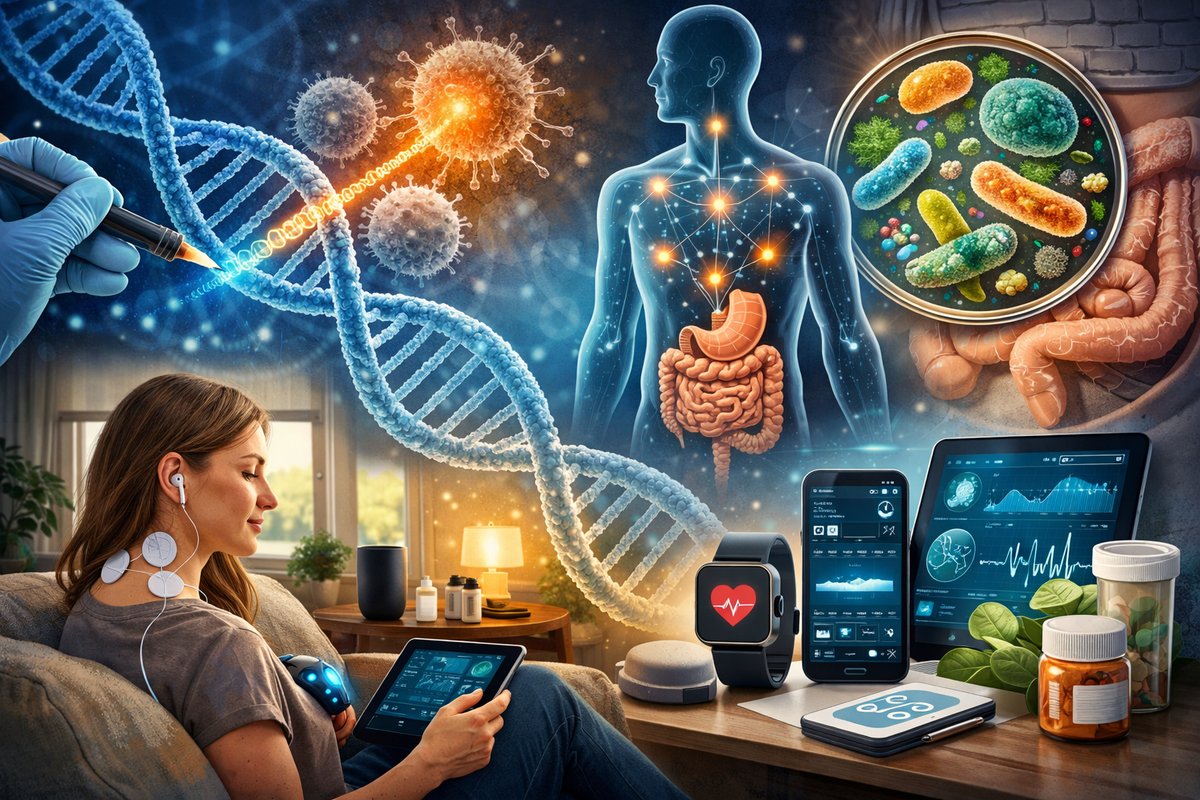

Decades ago, many chronic conditions carried a grim prognosis: ongoing pain, relentless symptoms, and an ever-narrowing set of coping strategies. Today, an array of emerging therapies-once relegated to the realm of science fiction-are delivering real relief. By combining breakthroughs in gene editing, microbiome science, targeted immunotherapies, and digital health, researchers and clinicians are offering patients a customized toolkit for managing conditions such as rheumatoid arthritis, diabetes, multiple sclerosis, and chronic pain.
It starts at the molecular level. CRISPR-based gene editing is no longer purely experimental. Clinical trials are underway using CRISPR to correct single-gene errors behind rare inherited disorders, while more complex conditions like sickle cell disease and familial hypercholesterolemia have seen breakthroughs that hint at lasting remission. In sickle cell disease, for example, scientists have reprogrammed bone marrow stem cells so they produce healthy hemoglobin rather than the mutated form responsible for painful vaso-occlusive crises. Patients who previously faced lifelong transfusions and opioids now experience fewer crises and improved quality of life.
Alongside gene therapies, the gut microbiome has emerged as an unexpected frontier. We used to think of gut bacteria mainly in digestive terms, but research now links microbial imbalances to autoimmune conditions, metabolic disorders, and even mood regulation. Stool transplants and designer probiotic cocktails are being tailored to individual microbial signatures, aiming to reduce inflammation in conditions like ulcerative colitis or Crohn’s disease. Early adopters report fewer flare-ups and reduced reliance on steroids. As labs refine techniques to cultivate beneficial strains outside the body, these “precision probiotics” may soon shift from clinical trials into standard care.
Immunotherapy-once thought of only as a cancer treatment-has found new applications in chronic disease. Biologics that block specific inflammatory signals have already transformed rheumatoid arthritis care, shrinking swollen joints and halting tissue damage in many patients. Next-generation approaches use engineered T cells to silence rogue immune attacks in conditions such as lupus and multiple sclerosis. By selectively targeting malfunctioning immune cells, researchers hope to avoid the broad immunosuppression that leaves patients vulnerable to infections.
But the revolution isn’t limited to labs and infusion clinics. At-home neuromodulation devices are providing drug-free options for chronic pain and migraine sufferers. These portable units deliver controlled electrical impulses or magnetic pulses to nerves or brain regions implicated in pain transmission. In migraine trials, patients using a handheld device to stimulate peripheral nerves reported up to a 60% reduction in attack frequency. For those battling lower-back pain, similarly sized stimulators offer localized relief without the gastrointestinal side effects of long-term pain medications.
Digital therapeutics add another layer of personalization. Prescription-grade apps now guide patients through cognitive behavioral therapy for anxiety, chronic pain, and insomnia. By tracking mood, activity, and symptom patterns, these platforms adapt interventions in real time-coaching users through breathing exercises during a pain flare or offering mindfulness modules when stress levels spike. Integrated wearable sensors-measuring heart rate variability, sleep stages, and movement-feed data into algorithms that detect early warning signs of flares, prompting timely adjustments to medication or lifestyle measures.
Consider Anna, diagnosed with rheumatoid arthritis in her twenties. Standard treatment eased joint swelling but left her fatigued and vulnerable to infections. A combined approach changed her trajectory: a biologic infusion suppressed the worst inflammation, a daily probiotic blend balanced her gut ecosystem, and a home neuromodulation patch reduced breakthrough pain. She tracks her progress on a health dashboard that aggregates data from her wearable heart rate monitor and electronic injection pen. When her device flags elevated inflammation markers, her care team tweaks her anti-inflammatory dose before a full flare develops-preventing weeks of stiffness and soreness.
Lifestyle interventions remain central even as these high-tech cures arrive. Nutritionists are working with gene and microbiome data to craft personalized meal plans that support anti-inflammatory pathways. Physical therapists design movement routines informed by real-time biomechanics feedback from smart clothing sensors, reducing joint strain and preventing injury. Mental health coaches leverage telehealth platforms to maintain emotional resilience, teaching stress-management techniques that blunt immune overreaction.
The convergence of these innovations is giving rise to what some call the “integrated care ecosystem.” Patients no longer shuttle between siloed specialists; instead, a digital hub connects rheumatologists, genetic counselors, dietitians, and therapists. Telemedicine visits supplement in-person care, ensuring that adjustments can be made promptly without long waits. This holistic model not only improves outcomes but also empowers patients to become active partners in their treatment journey.
Challenges remain. High-tech therapies can be costly, and equitable access is still an uphill battle. Insurance coverage lags behind emerging science, and many novel treatments are available only at specialized centers. Data privacy concerns grow as personal health information flows through apps and cloud-based platforms. Yet with clear regulations and patient-centric design, these obstacles can be addressed.
The next frontier lies in deepening personalization and expanding access. Researchers are exploring at-home CRISPR kits for certain genetic tests, enabling remote screening before clinical interventions. Self-administered microbiome profiling devices could let users sample their gut flora monthly and receive tailored probiotic capsules by mail. Artificial intelligence promises to accelerate drug discovery, identifying therapeutic targets for chronic fibrosis or neurodegenerative diseases that have so far resisted treatment.
The story of chronic illness care is shifting from lifelong management toward sustained remission and, in some cases, true cures. By harnessing genetic engineering, microbial science, immune reprogramming, neuromodulation, and digital therapeutics, modern medicine is not only extending lives but also restoring quality of life. For the millions living with chronic conditions, these advances represent more than medical milestones-they offer renewed hope and the promise of futures lived on their own terms.