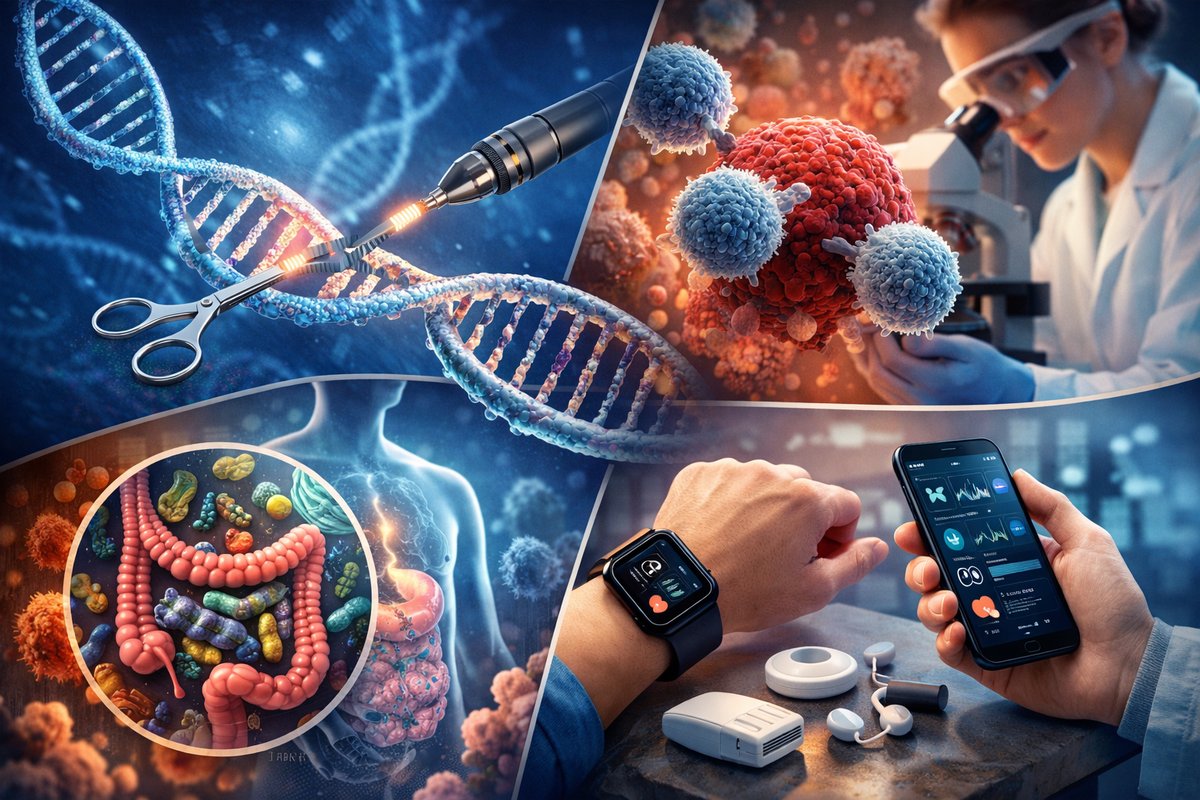

Chronic illnesses such as diabetes, autoimmune disorders, and neurodegenerative diseases have challenged patients and clinicians for decades. Traditional approaches often focused on symptom management rather than fundamental repairs. Today, an array of cutting-edge therapies is delivering results once thought impossible-harnessing the precision of genetic engineering, the subtlety of microbiome modulation, and the connectivity of digital health. These modern cures blend scientific rigor with compassionate design, creating pathways toward durable relief and individual empowerment.
Gene Therapy Unlocked
At the heart of several landmark triumphs lies gene therapy: the introduction, correction, or silencing of genetic material to treat inherited or acquired diseases. For individuals with certain forms of hemophilia or spinal muscular atrophy, single administrations of viral vectors carrying functional genes have restored critical protein production for years on end. Clinical trials in sickle cell disease show near-complete elimination of painful crises through gene editing that reshapes bone marrow stem cells outside the body before reinfusion. Even complex autoimmune conditions are under investigation, with strategies to reprogram immune cells so they stop attacking healthy tissue.
These therapies demand rigorous safety measures and precise delivery methods, but they illustrate a fundamental shift: addressing disease at its source rather than merely blunting its impact. For patients, that can mean reduced reliance on lifelong medication regimens and a genuine chance at remission. Manufacturing and distribution challenges remain, yet collaborative initiatives between academic centers, biotech firms, and regulatory agencies are paving the way for broader patient access.
A New Era of Immunotherapy
Immunotherapy has long been revolutionizing cancer treatment, and now its principles extend to chronic inflammatory and autoimmune disorders. By engineering T cells to recognize specific inflammatory signals, researchers can dial down destructive immune responses in rheumatoid arthritis, lupus, and multiple sclerosis. This targeted approach spares healthy tissues and minimizes systemic side effects compared with conventional immunosuppressants.
One strategy uses specially designed antibodies that block inflammatory cytokines at their source, while another harnesses regulatory T cells to restore immune balance. Early patient stories describe months-long relief from joint pain and nerve inflammation, reclaiming mobility once lost to flare-ups. As manufacturing techniques evolve, off-the-shelf cellular therapies may soon become more affordable and widely available, democratizing access to these precision medicines.
The Gut Connection: Microbiome Modulation
Researchers once viewed the gut microbiome as an ancillary factor in health. Now it stands center stage for conditions ranging from ulcerative colitis and Crohn’s disease to certain metabolic and neurological disorders. Fecal microbiota transplantation and next-generation probiotic formulations aim to recalibrate microbial communities, curbing chronic inflammation and restoring barrier function in the gut lining.
Clinical trials of designer microbial consortia have demonstrated remission in a subset of patients with treatment-resistant ulcerative colitis. Likewise, exploratory studies suggest that gut flora interventions could positively influence insulin sensitivity, potentially easing the burden of type 2 diabetes. These advances highlight a holistic understanding of chronic illness: one that views the body as an ecosystem where microbes and human cells collaborate for health.
Regenerative Medicine and Stem Cell Breakthroughs
Stem cell therapies combine the promise of tissue regeneration with tailored immunomodulation. In osteoarthritis, injections of mesenchymal stem cells into damaged joints have shown cartilage-rebuilding capabilities, offering long-lasting pain relief and improved mobility. Scientists are also exploring neural stem cell transplants to slow progression in early-stage Parkinson’s disease, with some participants reporting stabilized motor function and reduced tremors.
Beyond cell delivery, tissue engineering techniques now allow for the growth of lab-engineered patches that integrate with the heart’s tissue after a heart attack, promoting muscle regeneration and restoring pumping efficiency. While many of these approaches remain in trial phases, patient advocates emphasize the emotional uplift that emerges from participating in cutting-edge research-hope can be an underrated balm alongside cellular repair.
Digital Therapeutics and Wearable Devices
The fusion of electronics and biology has yielded closed-loop systems that constantly monitor physiological markers and adjust treatments in real time. For diabetes management, continuous glucose monitors paired with automated insulin pumps offer tight glycemic control without the burden of finger-stick tests and manual dosing. Similarly, wearable neurostimulators deliver targeted electrical pulses for epilepsy and chronic pain, reducing seizure frequency and decreasing reliance on opioids.
Smart inhalers connected to mobile apps track medication usage in chronic obstructive pulmonary disease, providing actionable insights to both patients and clinicians. Telehealth platforms ensure continuity of care for immunocompromised individuals, combining remote monitoring tools with on-demand virtual consultations. These digital therapies foster patient engagement, turning passive recipients into active partners in their own health journey.
Precision Medicine Meets Artificial Intelligence
Medicine’s next frontier lies at the intersection of big data and molecular biology. Advanced algorithms sift through genomic profiles, wearable sensor streams, and electronic health records to predict disease flares, treatment responses, and potential complications. In rheumatoid arthritis, machine learning models forecast joint inflammation weeks in advance, enabling preemptive therapy adjustments that prevent irreversible damage.
Pharmacogenomics platforms recommend drug selections based on an individual’s genetic makeup, minimizing adverse reactions and speeding up the path to effective dosing. AI-driven imaging tools detect early signs of diabetic retinopathy or multiple sclerosis lesions with greater sensitivity than the human eye. By personalizing interventions down to the molecular level, patients experience fewer trial-and-error cycles and faster relief.
Balancing Innovation and Access
Despite these extraordinary developments, barriers remain. High upfront costs for gene and cell therapies can strain healthcare budgets and widen disparities if not managed equitably. Regulatory frameworks struggle to keep pace with rapidly evolving technologies, creating uncertainty around approval pathways and insurance coverage. Ethical questions about gene editing, data privacy in digital health, and long-term effects of microbial interventions call for transparent dialogue among stakeholders.
Collaborative models-such as value-based pricing agreements and public-private consortia-are emerging to ensure that breakthroughs translate into accessible care. Patient registries and real-world evidence initiatives help refine safety monitoring and cost-effectiveness analyses. A values-driven approach prioritizes inclusivity, sustainability, and emotional intelligence in every step from lab bench to bedside.
A Horizon of Hope
Across labs and clinics worldwide, modern miracle cures are rewriting the playbook for chronic illness care. By addressing root causes, leveraging the body’s own repair mechanisms, and harnessing the power of data, these therapies offer more than symptomatic relief-they promise restored function, independence, and dignity. The path forward will require careful stewardship of resources, ethical reflection, and unwavering curiosity. But for millions living with chronic disease, today’s scientific feats hint at a tomorrow where lasting wellness is not just possible, but the new normal.