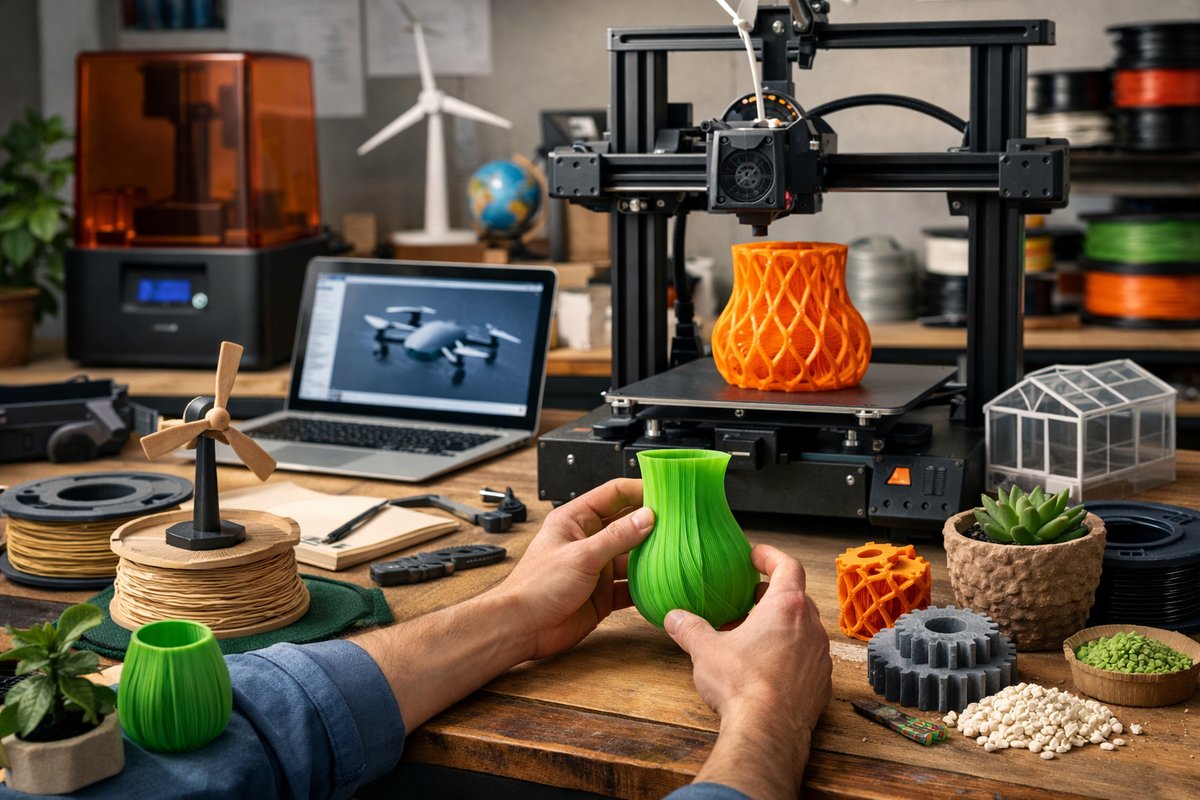

The hum of a 3D printer often signals more than just a machine at work. It marks a bridge between imagination and reality, inviting anyone from first-time tinkerers to established hobbyists to experiment with form, function, and flair. As desktop and prosumer machines become more affordable and user-friendly, the pathways for innovation are widening: new materials, smarter slicing software, and community-driven best practices make each print an opportunity to learn, iterate, and celebrate small victories.
At its core, 3D printing is deceptively simple: feed a design file, melt or cure material layer by layer, and watch an object emerge. But truly mastering the craft means understanding the interplay between hardware, software, and the often overlooked details that separate a crisp gear from a warped one. Rather than chasing the latest gadget, it helps to start with fundamentals: selecting a machine that suits your workspace and goals, choosing materials that align with desired properties, and equipping yourself with key tools to measure, tune, and refine.
Every printer has a sweet spot. Filament-fed (FDM) systems remain the workhorses for rapid prototyping and functional parts, while resin-based SLA/SLS printers offer finer detail for jewelry, dental models, and high-resolution miniatures. Hybrid platforms-combining filament and resin capabilities-are blurring the lines even further. When browsing options, consider build volume, nozzle or resin vat size, open versus closed systems, and airflow or filtration features that safeguard indoor air quality and respect communal health.
Materials have matured alongside hardware. PLA and ABS once dominated the hobby space, but today’s makers can choose from functional composites infused with carbon fiber for rigidity, wood-look filaments for aesthetic experiments, and flexible TPU blends that mimic rubber. In resin printing, hard, transparent, bio-compatible, and castable resins offer newfound versatility. Each material brings its own temperature, speed, and post-processing requirements-taking time to read data sheets and run small test prints pays dividends in surface finish, strength, and dimensional accuracy.
A surprisingly underappreciated aspect of 3D printing is proper calibration. Bed leveling, nozzle height, first-layer adhesion, and extrusion multiplier settings can transform a frustrating string-and-blob mess into clean layers that bond perfectly. Simple tools like a quality digital caliper ensure your dimensions match your designs. A metal scraper, a set of feeler gauges or adjustable bed-leveling springs, and a handful of adhesive sticks or specialty tapes anchor prints firmly during the most critical initial layers.
Slicing software is the conductor of your printing orchestra. Open-source platforms often lead with community-driven profiles for new filaments, experimental support structures, and customizable G-code start/end scripts. Commercial slicers add value through automated reinforcement, AI-driven orientation recommendations, and integrated remote monitoring. Regardless of choice, keeping slicing settings well-organized-using clear file naming, version comments, and backup profiles-preserves progress and accelerates troubleshooting when prints deviate from expectations.
Post-processing brings printed parts to life. FDM prints may need support removal, sanding, acetone vapor smoothing, or bonding with solvent cements. Resin prints demand washing stations, curing chambers with adjustable wavelengths, and careful handling under PPE. A simple kit of nitrile gloves, isopropyl alcohol in a sealed container, and dedicated wash buckets can prevent messy spills while protecting skin. Sustainable shops reuse wash solvent through charcoal filters or simple evaporative setups, reducing both cost and environmental impact.
Beyond pure hardware and materials, 3D printing flourishes through community. Online forums, local maker spaces, and social-media groups share test artifacts, troubleshoot stubborn issues, and unveil experimental resin blends or filament modifications. Many makers embrace open-source repositories to remix mechanical designs, artistic sculptures, or assistive-device prototypes. As you explore, contribute calibration cubes, benchy boats, and support-structure comparisons-your data helps others dial in their settings faster, nurturing a culture of collective improvement.
Troubleshooting is part science, part detective work. When layers shift, belts and pulleys may need tension adjustments or lubrication. Persistent under-extrusion can trace back to jammed nozzles, brittle filament, or a loose drive gear. Blobbing, ghosting, or elephant’s foot artifacts often hide in temperature fluctuations, un-damped vibrations, or incorrect retraction distances. Logging print failures, photographing the evidence, and annotating G-code parameters turn random errors into a pattern you can fix.
As interest in sustainable practices intensifies, 3D printers follow suit. Biodegradable filaments, recyclable resin recycling programs, and energy-efficient power-saving modes shrink the environmental footprint. Creative reuse of failed prints-shredding and re-extruding into new filament-closes the loop. Some makers even engineer filament grinders and boiler-style extruders housed in low-energy footprints, demonstrating how curiosity and resourcefulness drive greener additive manufacturing.
Looking ahead, expect smarter sensors, built-in vision systems, and real-time adaptive controls to elevate reliability. Machine-learning algorithms will auto-correct layer inconsistencies mid-print, while modular toolheads may allow quick swaps between extrusion, milling, or writing. Augmented reality interfaces could guide first-time users through calibration wizardry, reducing barriers to entry and amplifying creative potential for educators, designers, and hobbyists alike.
Whether you’re building replacement parts for household gadgets, crafting customized cosplay accessories, or pioneering medical-grade models, the essence of 3D printing remains a testbed for invention. Embrace the iterative mindset: each design iteration, failed print, and community tip refines not only your object but your understanding of a technology that continues to shrink the divide between idea and object. As layerless boundaries give way to limitless possibilities, your next print might just redefine what’s possible in your own workshop-and beyond.
Unlocking Tomorrow’s Prints
Print success emerges from the synergy of right-sized machines, conscious material choices, thoughtful tools, and an empathic community. By calibrating rigorously, curating sustainable workflows, and contributing to shared knowledge, every maker can transcend the constraints of layers and usher in a more resilient, inventive future. Ready to press start on your next build?