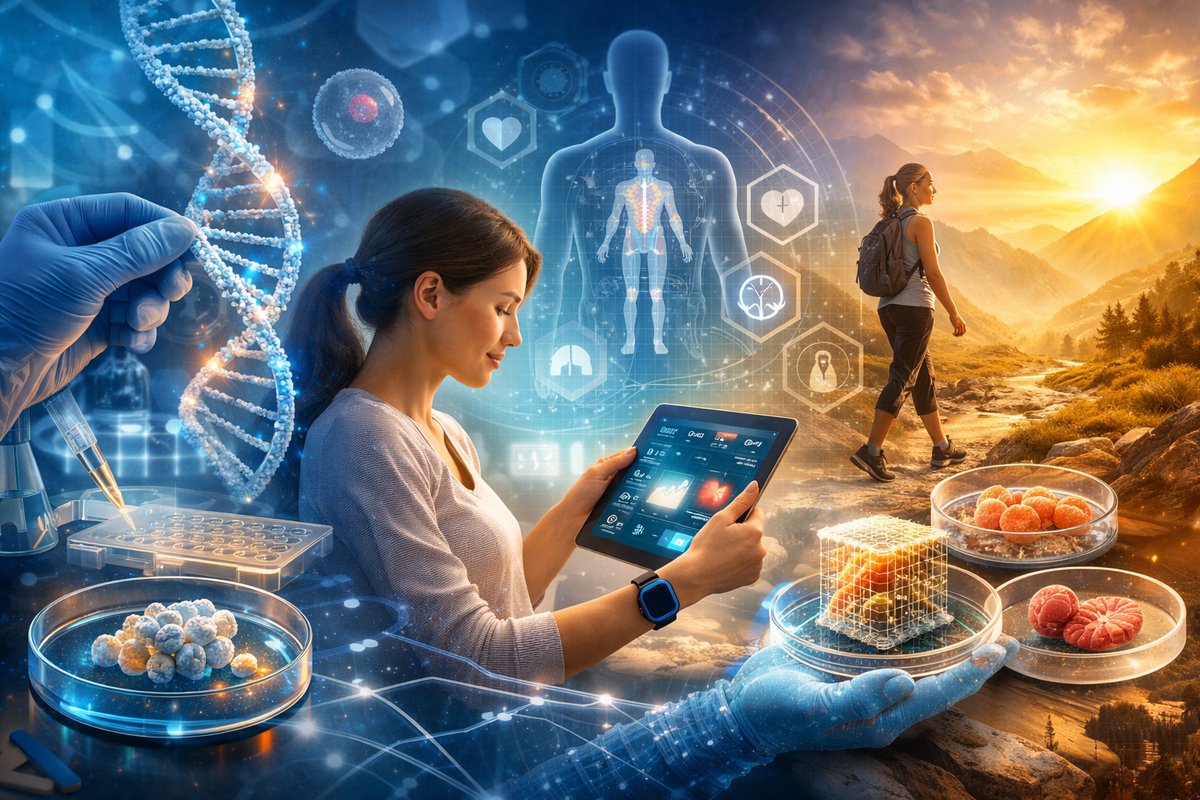

In the past, chronic illnesses often meant lifelong medications and endless doctor visits. Today, a host of modern therapies-ranging from gene editing techniques to digital health platforms-are shifting the paradigm from long-term symptom management to genuine disease modification and, in some cases, functional cures. Research in biologics, regenerative medicine, and smart technologies has ushered in innovative treatments for conditions such as autoimmune disorders, metabolic syndromes, and neurodegenerative diseases, offering hope to millions of patients worldwide.
One of the most immediate revolutions has come from biologic therapies. Engineered molecules that precisely target components of the immune system are now mainstays for treating autoimmune diseases such as rheumatoid arthritis and inflammatory bowel disease. Unlike traditional small-molecule drugs, these biologics can neutralize specific inflammatory signals without broadly suppressing the immune response. As a result, they reduce flare-ups and tissue damage with fewer side effects. Ongoing studies are even exploring combination regimens that could retrain the immune system to tolerate healthy tissues, aiming for sustained remission rather than indefinite treatment.
Gene therapy, once considered futuristic, has broken into clinical reality with remarkable successes. Patients with inherited blood disorders like hemophilia A and B have received one-time infusions of viral vectors carrying functional copies of clotting factor genes, dramatically reducing bleeding episodes. Meanwhile, CRISPR-based trials are editing patient cells to correct mutations responsible for sickle cell disease and beta-thalassemia. These ex vivo approaches have demonstrated lasting benefits, and early data hint at a functional cure in some participants. CAR-T cell technology, celebrated for its impact in cancer treatment, is also being adapted for autoimmune conditions, offering another route to durable disease control.
The gut microbiome has emerged as a vital frontier in chronic illness research. Fecal microbiota transplants (FMT) first gained traction for treating recurrent Clostridioides difficile infections, but researchers are now testing microbial therapies for inflammatory bowel disease, obesity, and even neurological disorders. Precision microbiome modulation-using defined mixes of beneficial bacteria, prebiotics, and postbiotic metabolites-can restore balance to a dysbiotic gut ecosystem. Early clinical trials suggest improvements in inflammatory markers and metabolic health, hinting at future microbiome-based drugs capable of reprogramming host immunity from the inside out.
Digital therapeutics are another area where innovation meets accessibility. Smartphone apps and web-based platforms now deliver evidence-based interventions for chronic conditions. From cognitive behavioral therapy modules that reduce chronic pain perception to interactive coaching systems for diabetes self-management, these tools are approved by regulatory bodies and covered by some insurance plans. They leverage real-time data and personalized feedback loops to reinforce healthy behaviors, reduce medication reliance, and improve quality of life.
Wearable health technologies have matured beyond simple fitness trackers. Continuous glucose monitors provide glucose readings every few minutes, alerting users to hyperglycemic or hypoglycemic episodes before they become dangerous. Smart inhaler sensors record usage patterns and environmental triggers for asthma, helping both patients and clinicians optimize treatment. Seizure detection devices use accelerometers and heart-rate variability analysis to alert caregivers when patients experience convulsions, improving safety for those with epilepsy. Integration with smartphone dashboards and cloud-based analytics allows for remote monitoring and data-driven treatment adjustments.
Regenerative medicine and stem cell therapies are tackling chronic conditions at the tissue level. Mesenchymal stem cell infusions have shown promise in reducing inflammation and promoting repair in osteoarthritis, improving joint function and reducing pain. In the realm of cardiology, researchers are exploring patches of lab-grown heart muscle to repair damage following heart attacks. Meanwhile, 3D bioprinting techniques are inching closer to producing customized cartilage or skin grafts for degenerative diseases and injuries. These approaches aim not just to manage symptoms but to rebuild damaged organs and tissues.
Another burgeoning field is immune tolerance induction for autoimmune disorders. Novel vaccine-like therapies are being designed to retrain the immune system to accept self-antigens rather than attack them. Early-stage clinical trials are testing nanoparticle-based formulations that deliver self-proteins alongside immune-modulating agents, coaxing regulatory cells to suppress harmful responses. If successful, these interventions could offer long-term freedom from drugs that broadly dampen immunity.
With all these technological strides, integrative approaches remain essential. Precision nutrition-guided by genetic, metabolomic, and microbiome analyses-helps tailor diets that reduce inflammation and support overall health. Mind-body techniques such as mindfulness, yoga, and biofeedback complement medical treatments by lowering stress hormones and improving pain thresholds. Lifestyle medicine coaches use data from wearable devices to craft personalized exercise, sleep, and stress management plans. Together, these strategies address the whole person, amplifying the impact of cutting-edge therapies.
Looking ahead, the convergence of artificial intelligence and biotechnology promises to accelerate drug discovery and patient matching for clinical trials. AI-driven models can sift through vast genomic and clinical data sets to predict which therapies will work best for individual patients, maximizing efficacy and minimizing side effects. Meanwhile, collaborative networks between academic institutions, biotech startups, and patient advocacy groups are streamlining the development pipeline. Access and affordability remain hurdles, but new reimbursement models and nonprofit-industry partnerships are emerging to overcome these barriers.
The future of chronic illness care is bright, as the focus shifts from managing symptoms to restoring health. Whether through a one-time gene therapy infusion, a personalized digital intervention, or a targeted cell-based treatment, patients now have more reasons than ever to hope. The next decade may well be remembered as the era when chronic diseases were redefined-not as life sentences, but as solvable challenges shaped by innovation, empathy, and a collaborative spirit.