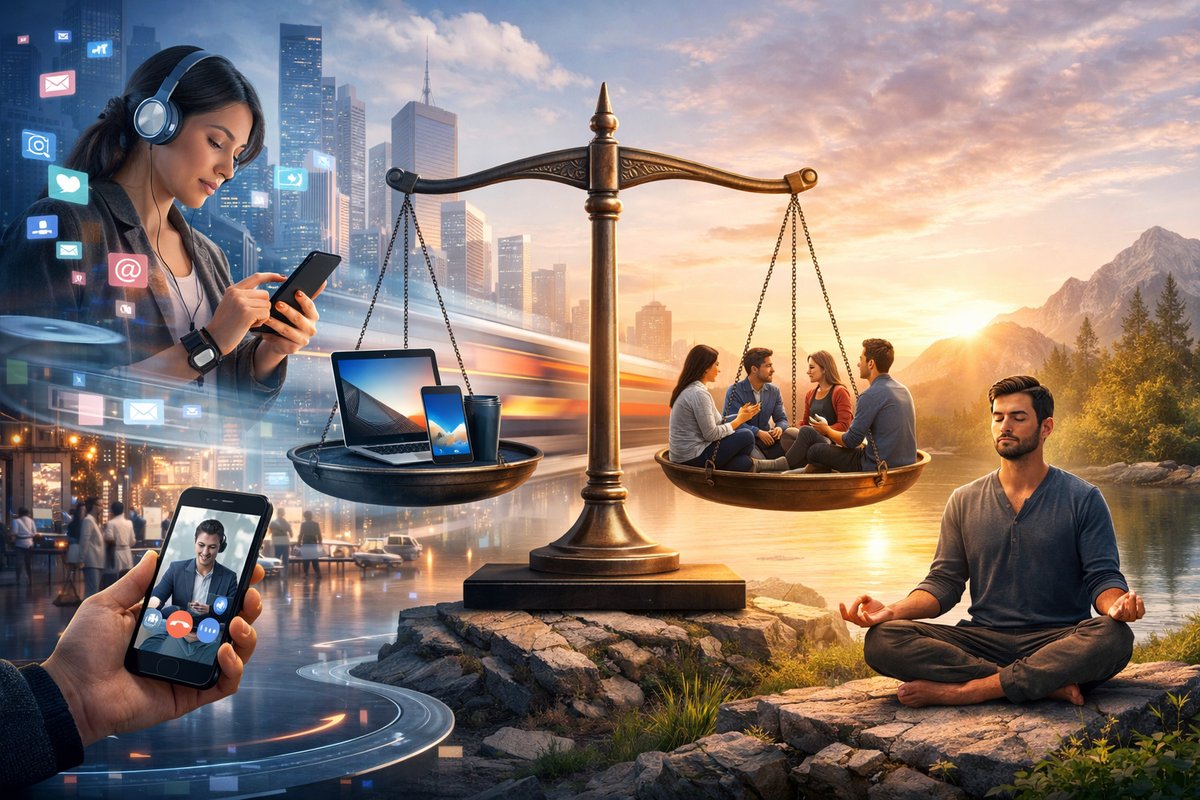

The fabric of modern life is woven from threads of constant transformation, digital connectivity, and unprecedented access to information. Unlike any previous era, the pace at which society changes, adapts, and innovates has accelerated dramatically, creating both opportunities and challenges for individuals seeking meaning and stability.
At the heart of modern existence lies technology. It shapes how we communicate, work, learn, and even relax. Smartphones, social media platforms, and instant messaging have redefined social interaction, enabling connections across vast distances but also introducing new dynamics such as digital fatigue, information overload, and the blurring of personal boundaries. The omnipresence of screens can sometimes diminish face-to-face interactions, posing questions about the quality of our relationships and the authenticity of our social bonds.
Simultaneously, the modern workplace has evolved. Remote work and flexible schedules have become increasingly common, accelerated by global events that forced many organizations to rethink traditional office models. This shift offers greater autonomy and work-life integration but also challenges individuals to set boundaries and manage distractions in home environments. The gig economy and freelance culture provide alternative income streams but often lack the stability and benefits of conventional employment, demanding heightened financial literacy and self-management skills.
The mental health landscape has also transformed alongside these societal shifts. Awareness and openness about psychological well-being have grown, yet the pressures of constant connectivity, social comparison, and economic uncertainty contribute to rising stress levels and burnout. Mindfulness practices, digital detoxes, and community support networks are emerging as vital tools to counterbalance these stressors.
Environmental consciousness has become a defining feature of contemporary living. As climate change impacts intensify, individuals and communities are increasingly adopting sustainable habits, from reducing waste to supporting ethical consumption. This shift reflects a broader desire for purposeful living that aligns personal values with global responsibility.
Education and lifelong learning have adapted to the digital age as well. Online courses, webinars, and virtual workshops offer accessible avenues for skill development and personal growth, democratizing knowledge beyond traditional institutions. However, this abundance of information requires critical thinking skills to discern credible sources and avoid misinformation.
Despite the complexity and sometimes overwhelming nature of modern life, it also offers remarkable opportunities for creativity, connection, and self-expression. Communities formed around shared interests flourish online and offline, fostering inclusivity and innovation. The challenge lies in cultivating intentional habits that promote well-being, resilience, and authentic engagement.
In essence, thriving in the modern world involves embracing change with curiosity and compassion-towards oneself and others. It means balancing the benefits of technology with mindful disconnection, pursuing meaningful work while honoring personal boundaries, and nurturing mental and environmental health as intertwined priorities. By weaving these elements together, individuals can craft lives that are not only productive but deeply fulfilling amid the flux of contemporary existence.
-
WeariQ Blue Light Blocking Bluetooth Smart Glasses, Shiny Black
Stay protected and connected with WeariQ Blue Light Blocking Bluetooth Smart Glasses in shiny black. One size, clear lenses, UV protection, ... -
Amazon.com: GABRYLLY Ergonomic Office Chair, High Back Home ...
Engineered with a heavy-duty frame and a robust gas lift, GABRYLLY BIFMA-certified chairs are built to withstand daily wear and tear while delivering long- ... -
SIHOO M18 Mesh Ergonomic Office Chair with Adjustable Lumbar ...
Designed in a W shape, the cushion helps alleviate pressure on the thighs and lumbar region to offer a more comfortable sitting experience. The backrest of the ... -
Alexa Skills - Mindful Meditation - Amazon.com
Mindful Meditation provides a suite of meditation sequences at various lengths for you to help practice mindfulness and bring you back to the moment. -
Hotmoon Luna Pro Smart White Noise Sound Machine, Alarm Clock ...
Buy Hotmoon Luna Pro Smart White Noise Sound Machine, Alarm Clock for Bedroom, APP ... Mindfulness Meditation at business.walmart.com Hospitality - Walmart