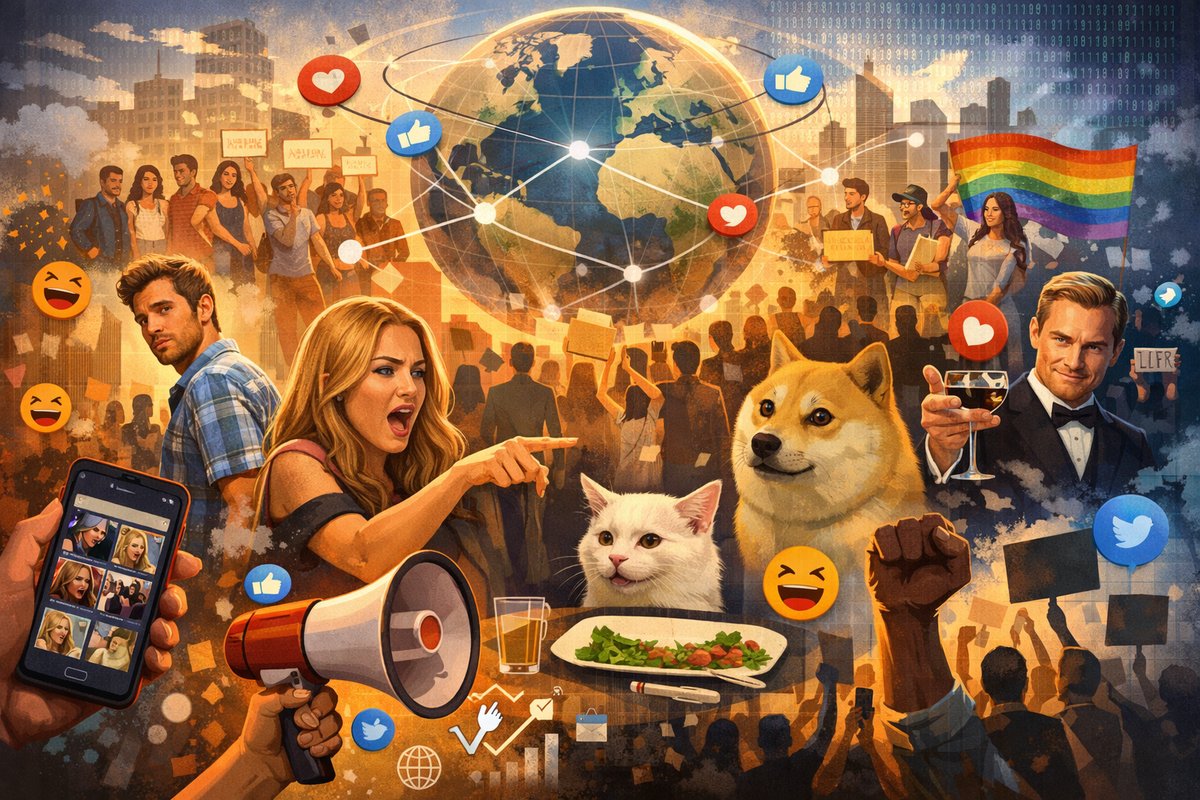

In the digital era, memes have evolved far beyond mere entertainment to become a significant cultural force influencing daily life and broader society. These bite-sized, often humorous images or videos with text overlays serve as a universal language for many, conveying complex ideas, emotions, and social commentary in accessible, shareable formats. Their rapid spread across social media platforms has transformed how people communicate, relate, and even mobilize around shared experiences or causes.
At their core, memes function as a form of social shorthand. They distill intricate cultural moments or feelings into digestible, often witty snapshots that resonate widely. This efficiency in communication is particularly valuable in our fast-paced, information-saturated world where attention spans are limited. Memes capture attention quickly and provoke immediate emotional responses, whether laughter, empathy, or reflection. This immediacy fosters a sense of connection among diverse groups, creating virtual communities united by shared humor or perspectives.
Moreover, memes serve as a mirror reflecting societal values, anxieties, and trends. They often highlight cultural tensions, political satire, or social critiques, providing an accessible platform for commentary that might otherwise be overlooked or censored. For example, during times of political upheaval or public health crises, memes have been used both to spread awareness and to critique official narratives, empowering individuals to participate in public discourse in creative ways. This democratization of commentary blurs traditional boundaries between creators and consumers, making everyone a potential influencer.
In daily life, memes influence how people express identity and navigate social relationships. Sharing or creating memes can signal membership in particular social groups or subcultures, reinforcing bonds through inside jokes and shared references. This dynamic is especially pronounced among younger generations, who often use memes to articulate feelings or experiences that might be difficult to express otherwise. The visual and textual hybridity of memes allows for nuanced communication that transcends language barriers, fostering inclusivity and cross-cultural dialogue.
However, the pervasive presence of memes also raises questions about the quality and depth of communication. The brevity and humor that make memes appealing can sometimes oversimplify complex issues or perpetuate stereotypes. Additionally, the viral nature of memes means misinformation or harmful content can spread rapidly, challenging efforts to maintain accurate and respectful discourse. Navigating this landscape requires critical media literacy skills and an awareness of the ethical dimensions of sharing content online.
From a psychological perspective, memes can provide emotional relief and a sense of solidarity, especially during challenging times. The collective humor found in memes can alleviate stress and foster resilience by normalizing shared struggles. This communal coping mechanism highlights the emotional intelligence embedded in meme culture, where empathy and humor intersect to support mental well-being.
Economically and commercially, memes have influenced marketing and advertising strategies. Brands increasingly harness meme culture to engage younger audiences authentically, blending entertainment with promotion. While this can enhance brand relatability, it also risks commodifying cultural expressions and diluting the grassroots nature of meme creation. The tension between organic creativity and commercial exploitation continues to shape the evolution of memes in society.
Technological advancements further amplify the impact of memes. Artificial intelligence and machine learning enable the rapid generation and customization of memes, increasing their volume and diversity. Meanwhile, platforms’ algorithms prioritize meme content due to its high engagement rates, reinforcing memes’ central role in digital communication ecosystems. This feedback loop intensifies the cultural saturation of memes, making them a defining feature of contemporary social interaction.
In educational contexts, memes have emerged as innovative tools to facilitate learning and engagement. Educators use memes to make complex subjects more relatable and memorable, tapping into students’ cultural literacy and humor. This approach can foster curiosity and creativity, encouraging learners to participate actively in knowledge construction. By bridging informal and formal communication styles, memes contribute to evolving pedagogical practices.
Ultimately, memes represent more than fleeting internet trends; they are dynamic cultural artifacts that shape and reflect the zeitgeist. Their influence on daily life encompasses communication, identity, emotion, and social organization. As society continues to navigate the digital age, understanding the multifaceted role of memes becomes essential for appreciating how culture and technology intertwine to shape human experience.
Embracing the complexity of memes invites us to consider how humor, creativity, and shared meaning operate in a connected world. Memes challenge us to think critically about the messages we consume and share, fostering a more thoughtful and emotionally intelligent digital culture. By recognizing their power and limitations, we can harness memes to enrich communication, strengthen communities, and inspire positive social change.
-
Active Noise Cancelling Headphones, Upgraded Wireless Bluetooth ...
Industry-Leading 96.6% Noise Cancellation: Equipped with advanced Active Noise Cancelling (ANC) technology, these wireless Bluetooth headphones can reduce ... -
VILINICE Noise Cancelling Headphones Wireless Bluetooth Over ...
VILINICE Q8 wireless over-ear headphones with noise canceling, 40mm drivers, up to 25H playtime, and built-in mic. Supports Bluetooth 5.3 and wired ... -
SAMSUNG Galaxy S24 FE AI Phone, 128GB Unlocked Android ...
Buy SAMSUNG Galaxy S24 FE AI Phone, 128GB Unlocked Android Smartphone, High-Res 50MP Camera, Long Battery Life, Brighter Display Screen, US Version, ... -
Smartphone Video Rig with Light, Handheld Ring Selfie Light Kit ...
The rotatable support design on the bottom makes the light more stable when placed on a desktop, perfect for outdoor video recording/photography/makeup/YouTube ... -
Handheld LED Ring Light for Smartphones - Portable 8500K Selfie ...
Perfect for Creators & Professionals: This LED light is your go-to for live streaming, beauty lighting, and photography. Its high-quality illumination ...