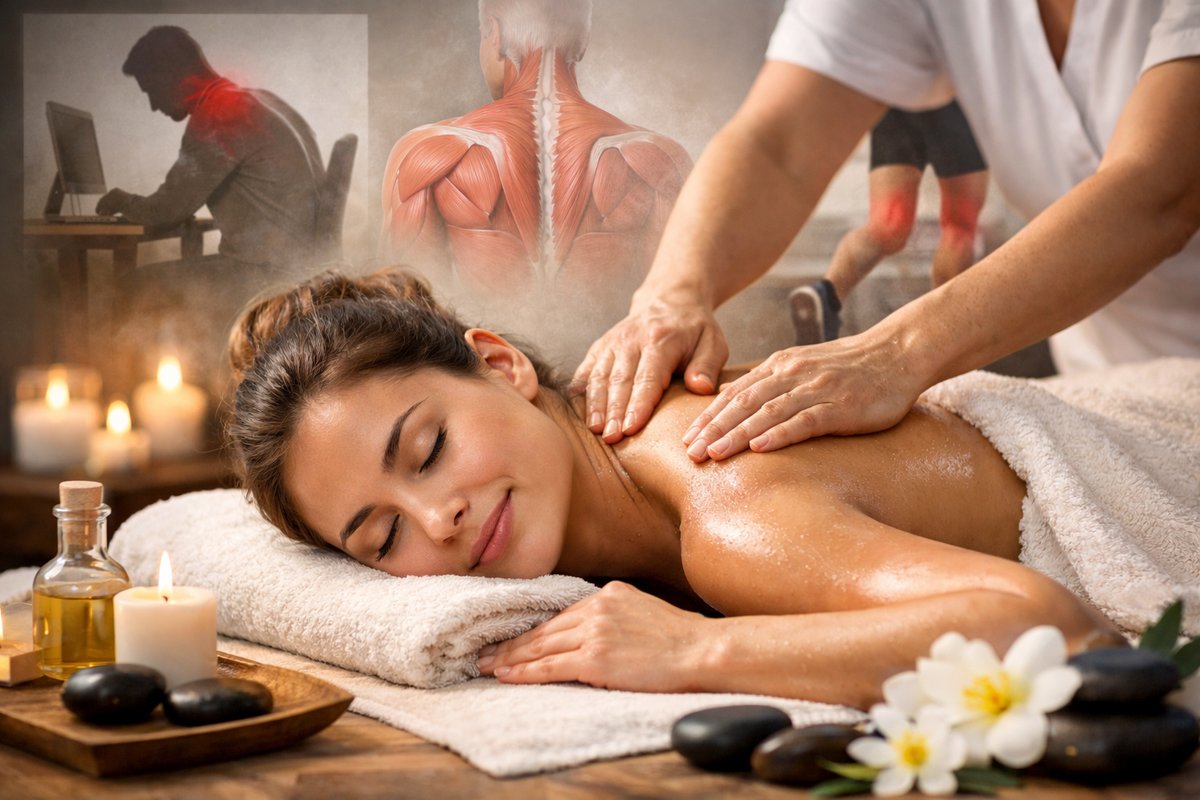

In our fast-paced lives, muscle tension often creeps in unnoticed, manifesting as stiffness, discomfort, or a lingering sense of tightness. This tension not only affects physical comfort but can also contribute to stress and restless nights. Massage therapy provides a gentle, hands-on approach to releasing muscle tension, encouraging relaxation and supporting overall wellbeing. Understanding how massage interacts with muscle tissue and the nervous system can empower you to make informed choices for your self-care routine.
Why Muscle Tension Matters for Everyday Wellbeing
Muscle tension is the body’s natural response to physical or emotional stress. When muscles remain contracted for extended periods, they can cause discomfort and reduce mobility. This persistent tightness may interfere with sleep quality and increase feelings of anxiety or fatigue. Addressing muscle tension is essential not only for physical relief but also for nurturing mental calm and resilience.
How Massage Therapy Works to Release Muscle Tension
Massage therapy employs manual techniques such as kneading, stroking, and applying pressure to soft tissues. These movements stimulate blood flow, helping to deliver oxygen and nutrients to muscle fibers while aiding the removal of metabolic waste products. Improved circulation can reduce muscle soreness and accelerate recovery.
At the same time, massage activates the parasympathetic nervous system-the branch responsible for rest and digestion-encouraging relaxation and lowering stress hormones like cortisol. This dual effect on muscles and the nervous system creates a calming experience that helps muscles release their grip and the mind unwind.
Research supports these effects. Studies have shown that massage can decrease muscle stiffness and perceived pain, while also reducing anxiety levels. For example, a review published in the International Journal of Neuroscience highlighted massage’s role in lowering cortisol and increasing serotonin and dopamine, neurotransmitters associated with mood regulation.
Practical Ways to Use Massage for Muscle Tension Relief
You don’t need to visit a professional therapist every time muscle tension arises. Here are some accessible approaches you can try safely at home:
- Self-massage with hands or tools: Using your fingers or a massage ball, gently knead tight areas such as the neck, shoulders, or calves. Apply moderate pressure and avoid painful spots. Foam rollers can also help release tension in larger muscle groups like the back and thighs.
- Warm baths or heat packs: Applying heat before massage can relax muscles, making them more receptive to manual therapy. A warm bath or a heat pack placed on tense muscles for 10-15 minutes can prepare the tissue for gentle massage.
- Stretching combined with massage: After massaging a muscle, gently stretch it to encourage lengthening and flexibility. This combination supports better range of motion and comfort.
- Professional massage sessions: Licensed massage therapists can tailor techniques to your needs, addressing specific tension patterns and offering guidance on self-care practices.
When practicing self-massage, listen to your body and proceed with care. Avoid massaging directly over bruises, open wounds, or areas of acute inflammation. If you have underlying health conditions, consult a healthcare provider before starting new massage routines.
The Sensory Experience: Evoking Calm Through Touch
Massage is not only about physical manipulation but also about the sensory environment. A calm, quiet space with comfortable temperature, soft lighting, and soothing sounds can enhance relaxation. Mindful breathing during massage helps deepen the parasympathetic response, allowing both body and mind to settle.
Paying attention to the sensations-such as the warmth of the hands, the rhythm of strokes, and the gradual release of tightness-can foster a deeper connection to your body. This sensory awareness encourages a compassionate, nonjudgmental attitude toward your physical state, which is an important aspect of self-care.
Massage and Sleep: A Restorative Connection
Muscle tension often interferes with falling asleep or maintaining restful sleep. By alleviating tightness and promoting relaxation, massage therapy can support healthier sleep patterns. Research indicates that massage may increase levels of melatonin, the hormone that regulates sleep-wake cycles, while reducing cortisol levels that disrupt sleep.
Incorporating a gentle massage routine in the evening or before bedtime can help signal to your body that it’s time to unwind. Even brief sessions focusing on the neck, shoulders, and feet can make a noticeable difference in sleep quality.
Encouraging Mindful Self-Care and Body Awareness
Massage therapy invites us to slow down and reconnect with our bodies in a nurturing way. By regularly attending to muscle tension through safe, informed massage practices, you cultivate a deeper awareness of physical sensations and emotional states. This mindful approach supports resilience against daily stressors and enhances overall wellbeing.
Remember, massage is one of many tools for comfort and relaxation. Combining it with other healthy habits-such as regular movement, balanced nutrition, and adequate rest-creates a holistic foundation for sustained health.
Listening to your body’s signals and responding with kindness through massage can become a valuable ritual in your self-care journey. Whether you choose professional sessions or gentle self-massage, the benefits of releasing muscle tension extend beyond the muscles themselves, touching your entire sense of calm and vitality.
-
Athletic Works Rechargeable 3-Speed Vibrating Foam Roller Full ...
The Athletic Works vibrating foam roller is a 18-inch full body recovery tool with 3D textures, three vibration levels, rechargeable battery, ... -
Posture Magic Massage Ball Set for Myofascial Trigger Point ...
Our bundle pack includes a large foam ball (3.5”), a small foam ball (2.6”), a smooth lacrosse ball (2.5”), a peanut ball (5.5”), a spiky ball (3”), a hand ... -
Bob and Brad Cork Massage Balls, Physical Massage Therapy ...
Buy Bob and Brad Cork Massage Balls, Physical Massage Therapy Lacrosse Ball Set for Yoga Deep Tissue Equipment Back Foot Plantar Fasciitis at Walmart.com. -
Equate XL Electric Heating Pad, 6 Heat Settings with Auto Shut off ...
Key item features · Quick and stable heat · 6 heat levels, you can adjust to the proper temperature through the controller · 3 timer settings · 2-hour auto off, ...