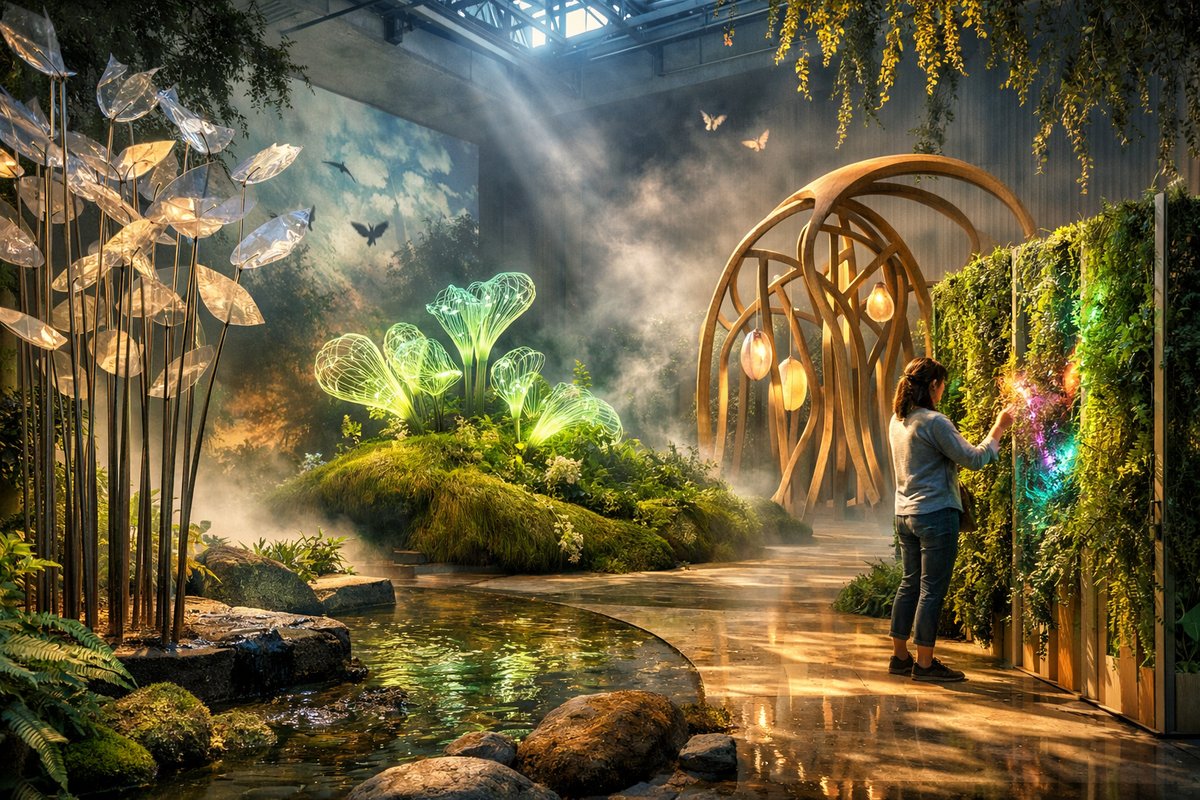

In recent years, a transformative movement has been gaining momentum within the art and design world-one that embraces living materials and environmental responsiveness as core elements of creative expression. This trend goes beyond the mere aesthetics of incorporating nature; it embodies a philosophy that art should be dynamic, interactive, and symbiotic with its surroundings. Artists and designers are now crafting pieces that breathe, grow, and react, inviting audiences into a dialogue not only with the work itself but with the broader ecosystem it inhabits.
One of the most compelling facets of this evolution is the use of bio-responsive materials. These include living plants, algae, fungi, and other organic substances that integrate seamlessly into artworks and installations. Unlike static sculptures or paintings, these creations shift over time, changing color, shape, or form in response to environmental variables such as light, temperature, humidity, or human interaction. This fluidity challenges viewers to reconsider the permanence and role of art, highlighting impermanence as a beauty in itself.
Kinetic sculptures have long fascinated art enthusiasts, but the latest iterations imbue motion with ecological sensitivity. For example, some installations incorporate sensors that detect air quality or sound levels, triggering movement or illumination that reflects the environment’s health. This not only captivates visually but raises awareness about ecological issues, transforming the artwork into an ambassador for sustainability. These pieces harness technology and biology in tandem, demonstrating the powerful synergy possible when disciplines converge.
Interactive installations further push boundaries by inviting participation. Visitors may be encouraged to touch, speak, or even breathe upon an artwork to witness a change-perhaps a living wall that adjusts its pattern based on visitor proximity or a light display modulated by the collective heartbeat of its audience. Such experiences foster empathy and a deeper emotional connection, transforming passive observation into active involvement. This aligns with the growing societal desire for meaningful engagement with art, where sensory immersion and personal impact are paramount.
The philosophy underpinning this trend is deeply rooted in systems thinking and ecological mindfulness. Artists are increasingly viewing their work as part of a larger living system rather than isolated objects. This mindset fosters creations that emphasize harmony and reciprocity, reflecting an ethos that values sustainability and respect for natural processes. The implications extend beyond galleries and museums, influencing urban design and public art as well. Cities worldwide are experimenting with bio-integrated installations that purify air, provide habitats for pollinators, or visually narrate environmental data, blending functionality with poetic expression.
Challenges remain, however, in balancing technological complexity, biological viability, and artistic vision. Living materials require care and appropriate conditions, making conservation and longevity key concerns. Designers must collaborate closely with biologists, engineers, and environmental scientists to ensure that artworks not only thrive but also adhere to ethical standards. This interdisciplinary approach enriches the creative process, resulting in works that are both intellectually rigorous and emotionally resonant.
Moreover, the integration of augmented reality (AR) and digital projections with living materials is expanding possibilities even further. AR overlays can animate or extend the life of physical installations, offering layered narratives or interactive elements accessible through smartphones or wearable devices. This fusion allows for a multiplicity of experiences, blending tangible and virtual realms to create rich, multidimensional artworks. These hybrid forms exemplify how art and design continuously evolve, harnessing cutting-edge technologies while honoring natural inspiration.
As audiences become more environmentally conscious and technologically savvy, the appetite for such innovative expressions is growing. Educational institutions are incorporating bio-art and eco-design into curricula, nurturing a new generation of creators who prioritize sustainability and interactivity. Meanwhile, public art commissions increasingly seek projects that engage communities with pressing ecological themes in accessible, imaginative ways.
This paradigm shift in art and design invites us all to rethink our relationship with nature and creativity. It challenges the notion of art as static decoration, positioning it instead as a living dialogue that evolves alongside its environment and audience. In embracing impermanence, interactivity, and ecological integration, contemporary artists and designers are crafting experiences that inspire curiosity, empathy, and a deeper awareness of our shared world. Their work stands as a testament to the power of creativity when it listens to and learns from the living systems around us.
This convergence of biology, technology, and aesthetics is not merely a trend but a profound reimagining of what visual expression can be. It offers a hopeful vision where art is a partner in fostering sustainability, emotional connection, and wonder-a reminder that creativity thrives most vividly when it flows in harmony with the rhythms of life.
-
BME680 Environmental Sensor for Raspberry Pi ... - Amazon.com
Amazon.com: BME680 Environmental Sensor for Raspberry Pi/Raspberry Pi Pico/Arduino/ESP32, Supports Temperature/Humidity/Barometric Pressure/VOC Gas ... -
International Environmental G100-71520313 Genuine OEM Duct ...
Buy International Environmental G100-71520313 Genuine OEM Duct Sensor Kit - Venstar at Walmart.com. -
Yescom 10 Pack Hexagon LED Light Wall-mount Touch Sensitive ...
Buy Yescom 10 Pack Hexagon LED Light Wall-mount Touch Sensitive Magnetic Quantum Panel Gifts at business.walmart.com Hospitality - Walmart Business ...