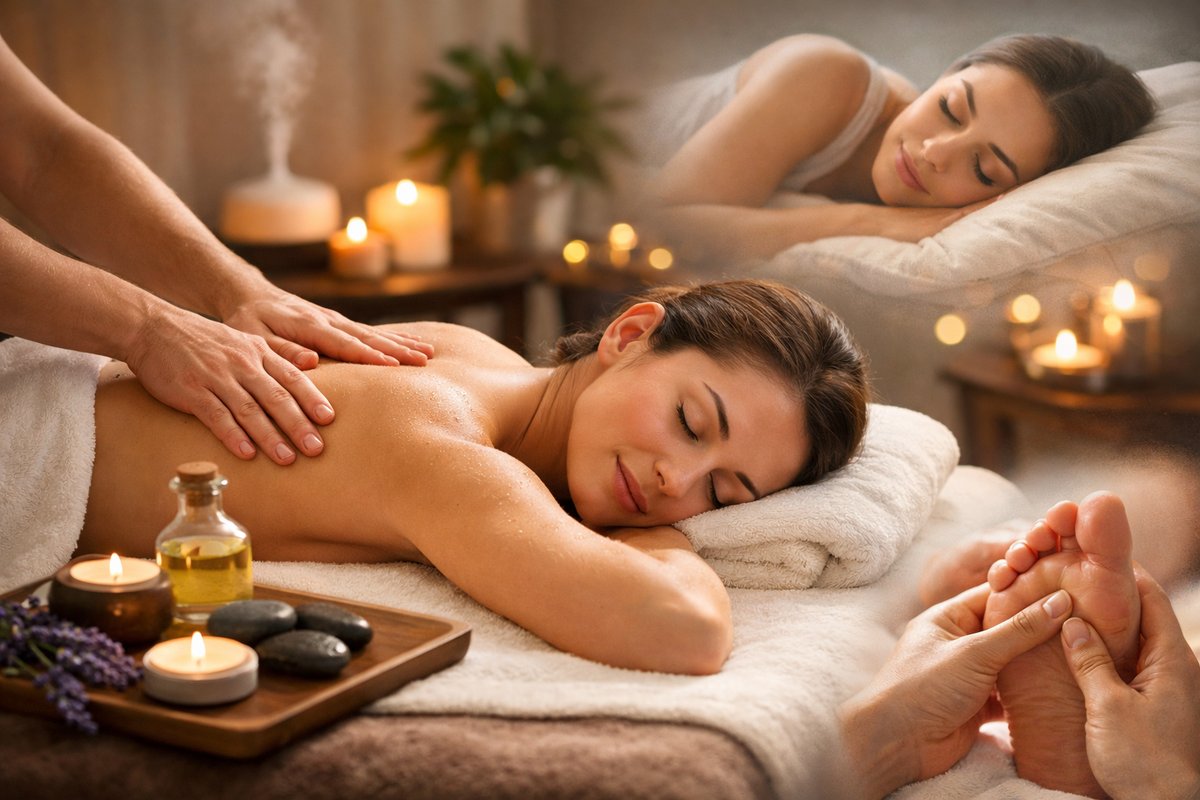

In our fast-paced world, stress and muscle tension have become common companions for many. These physical and emotional strains can quietly accumulate, affecting our energy, sleep, and overall health. Massage therapy, an ancient yet continually validated practice, provides a nurturing way to counterbalance these pressures. It invites us to slow down, breathe, and reconnect with our bodies in a gentle, intentional way.
This article explores how massage therapy works to reduce stress and ease muscle tension, offering practical insights grounded in scientific understanding. Whether you’re seeking relief from daily tightness or simply want to enhance your relaxation, these accessible approaches can help you cultivate calm and comfort.
How Massage Therapy Calms the Nervous System
When stress arises, the body activates the sympathetic nervous system-often called the “fight or flight” response-leading to increased heart rate, muscle tightness, and heightened alertness. Massage therapy helps shift this balance by engaging the parasympathetic nervous system, which promotes relaxation and restoration.
Gentle, rhythmic touch stimulates pressure receptors in the skin and muscles, sending calming signals to the brain. This can reduce the production of stress hormones like cortisol and encourage the release of feel-good chemicals such as serotonin and oxytocin. As a result, massage can lower blood pressure and heart rate, creating a physiological state conducive to rest and healing.
Releasing Muscle Tension Through Targeted Touch
Muscle tension often develops as a protective response to stress, injury, or repetitive movement. When muscles remain tight, they can restrict circulation and cause discomfort. Massage techniques-such as kneading, stroking, and gentle stretching-help relax these tight areas by increasing blood flow and encouraging muscle fibers to lengthen.
Manual pressure applied during massage can also interrupt pain signals and reduce the sensitivity of nerve endings. This not only alleviates soreness but can improve range of motion and promote a sense of physical ease. Importantly, massage therapists tailor their touch to individual needs, ensuring pressure is comfortable and supportive rather than painful.
Enhancing Sleep Quality and Overall Wellbeing
Stress and muscle tension often interfere with restful sleep, creating a cycle that can be hard to break. Massage therapy supports better sleep by calming the nervous system and soothing physical discomfort that might otherwise keep the body awake. Studies have shown that regular massage can improve sleep duration and quality, particularly in people experiencing chronic pain or anxiety.
Beyond sleep, the benefits of massage extend to mood regulation, immune function, and even digestion. By fostering relaxation and improving circulation, massage helps the body maintain balance and resilience. These effects contribute to a greater sense of wellbeing that carries into daily activities.
Simple Self-Massage Techniques to Try at Home
While professional massage offers specialized care, you can also practice gentle self-massage to support relaxation throughout your day. Here are a few safe, easy methods:
- Neck and Shoulder Release: Using your fingertips, apply gentle circular pressure along the base of your skull and the tops of your shoulders. This area commonly holds tension from stress and prolonged screen time.
- Hand Massage: Massage the palm and each finger with your opposite thumb, applying gentle pressure. This can relieve tension from repetitive hand movements.
- Foot Soothing: Use your thumbs to press along the arches of your feet, moving slowly from heel to toes. This can encourage relaxation and ground your awareness.
Remember to breathe deeply and move slowly during self-massage. Avoid applying excessive pressure, especially over bony areas or if you feel pain.
When to Seek Professional Massage Support
Professional massage therapists are trained to assess muscle tension patterns and adapt techniques to your unique needs. If you experience persistent muscle tightness, stress that feels overwhelming, or discomfort that affects your daily life, a licensed massage therapist can provide targeted support.
Communicating openly with your therapist about your comfort level and any health concerns ensures a safe and effective session. Many therapists also offer guidance on stretches, posture, and self-care practices to complement massage benefits.
Inviting Mindful Self-Care Through Massage
Massage therapy is more than a physical treatment; it’s an invitation to honor your body’s signals and nurture your wellbeing. By incorporating massage-whether professional or self-administered-into your routine, you cultivate a space for calm, ease, and presence.
As you explore these practices, listen attentively to how your body responds. With gentle care and awareness, you can build resilience against stress and invite lasting comfort into your everyday life.
-
Medcursor Massage Gun - High Intensity Brushless Motor ...
Buy Medcursor Massage Gun - High Intensity Brushless Motor, Handheld Percussion Deep Tissue Massager with 6 Massage Heads for Sore Muscle and Stiffness, ... -
FitRx Massage Gun Handheld Deep Tissue Percussion ... - Walmart
Experience ultimate relaxation with FitRx Neck and Back Massager. Handheld, multiple speeds and attachments available. -
321 Strong Foam Roller - Medium Density Deep Tissue Massager ...
321 Strong Foam Roller - Medium Density Deep Tissue Massager for Muscle Massage and Myofascial Trigger Point Release, with 4K eBook. -
FlexWave Textured Foam Roller for Deep Tissue Massage ...
Buy FlexWave Textured Foam Roller for Deep Tissue Massage, Myofascial Release & Muscle Therapy, Available in Blue, Black, and Purple at Walmart.com. -
Amazon.com: Relaxing Essential Oil Blend for Diffuser
Sensual Massage Oil and Relax Blend · Invigorate your senses and get mental clarity with the aroma of our Tropical Passions Massage Oil to enhance and support ... -
Maple Holistics Dream Essential Oil Blend for Aromatherapy and ...
Buy Maple Holistics Dream Essential Oil Blend for Aromatherapy and Relaxation, Lavender Scent, 4 Fl Oz at Walmart.com.