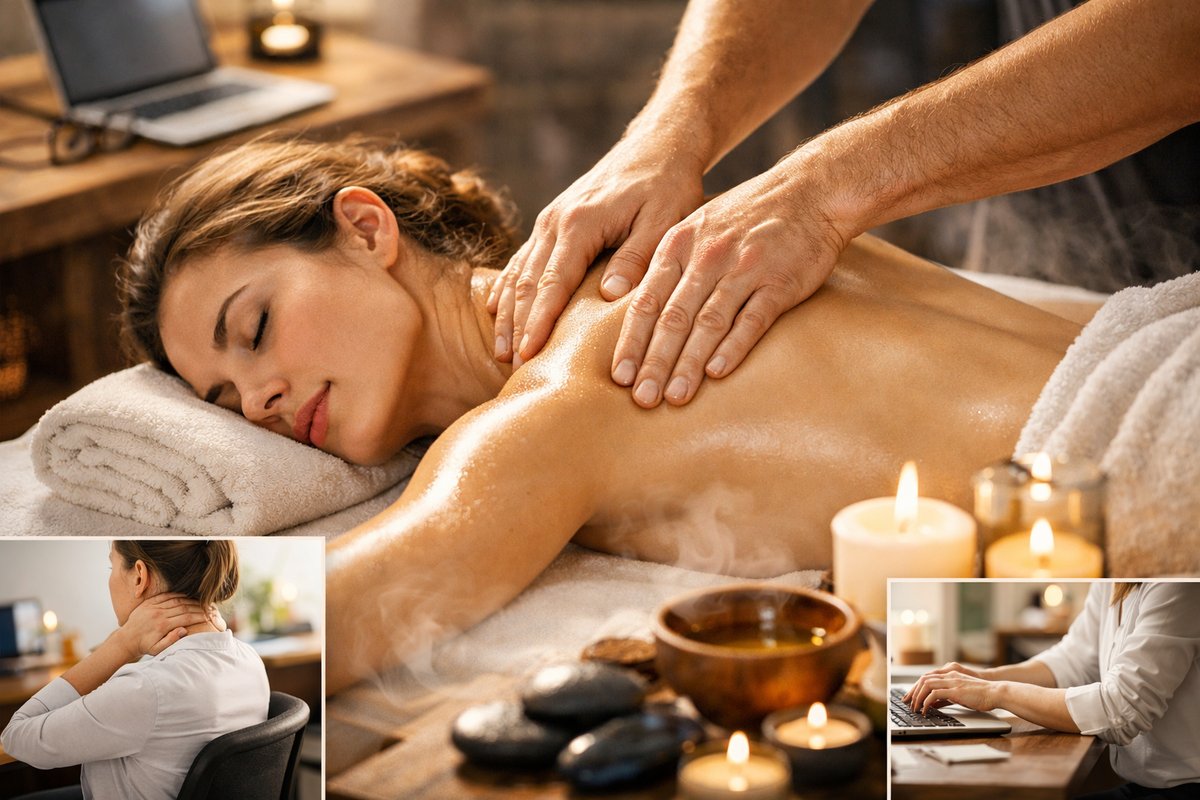

Massage therapy has long been recognized as a practical way to address muscle tension that builds up from desk work, heavy lifting or emotional stress. Rather than viewing tight knots as a medical mystery, manual massage treats them as patterns in muscle fibers that respond to pressure and movement. In this article, you’ll learn why muscle tension occurs, how targeted massage techniques release those stubborn spots and safe approaches you can try at home or seek from a trained therapist.
Understanding Muscle Tension
Muscles work by contracting and relaxing in response to signals from the nervous system. When stress hormones surge or posture stays fixed for too long, certain muscle fibers can remain partially contracted. That sustained contraction limits blood flow, leading to small buildups of metabolic byproducts and reduced oxygen in the tissue. Over time, those areas form tight nodules often called “knots.” Common spots include the base of the skull, tops of the shoulders and lower back.
Research shows that these trigger points sensitize nearby nerves, amplifying the sensation of tightness or mild pain. One review in a physical therapy journal noted that manual pressure on these points can interrupt that cycle, encouraging muscle fibers to relax and improving circulation. The result is less stiffness, better range of motion and a calmer overall feeling.
How Manual Massage Works
The core idea behind manual massage is simple: apply sustained, purposeful pressure along muscle fibers to coax them into releasing their hold. Different strokes accomplish this:
• Effleurage: long, gliding strokes that warm tissues and stimulate superficial circulation
• Petrissage: kneading movements that lift and roll muscles to break up adhesions
• Friction: deep, cross-grain pressure over tight spots to target fibrous build-up
• Compression: direct, static pressure held on a knot to encourage relaxation
Each technique engages sensory receptors in the skin and muscle, sending signals to the spinal cord and brain that moderate pain perception. Meanwhile, local blood vessels dilate, carrying fresh oxygen and nutrients into the area. After a session, studies have found measurable drops in cortisol (the stress hormone) alongside rises in serotonin and dopamine-the body’s natural mood regulators.
Practical Techniques for Everyday Relief
You don’t need to be a professional to experience the benefits of manual muscle therapy. Here are a few safe, at-home methods you can try:
• Self-massage with therapy balls: Place a firm, rubber massage ball between your back and a wall, then lean into tight spots. Slowly roll or hold steady pressure for 20 to 30 seconds until you feel tension soften.
• Foam rolling: Gently roll a foam cylinder along your calves, hamstrings or quadriceps. Move slowly and spend extra time on tender areas, breathing deeply as you go.
• Hand-held massage tools: Ergonomic massagers with rounded nodes can reach shoulders, neck and lower back. Adjust pressure with your grip, and avoid pressing directly on the spine.
• Thumb and finger pressure: When you notice a knot on your own shoulders, use the opposite thumb and the pad of your index finger. Press into the spot, gradually increasing pressure, then hold for half a minute. Breathe into the sensation.
Aim for two to three short sessions each day, especially after activities that strain your muscles. Consistency matters more than duration: even five minutes of focused work can reset muscle tone and calm the nervous system.
Precautions and Safe Practice
Manual massage is generally safe when performed gently and mindfully, but keep a few guidelines in mind:
• Avoid sharp pain: Firm pressure is fine, but if you experience a sudden, stabbing sensation, ease up immediately.
• Watch for inflammation: If a muscle feels hot, red or swollen, opt for gentle movement or a cold compress instead of deep massage.
• Respect injuries: Skip direct pressure over open wounds, fractures or recently sprained joints. Consult a healthcare professional if you’re unsure.
• Stay hydrated: Drinking water before and after massage helps flush out metabolic byproducts released during tissue work.
• Warm up muscles: A brief hot shower or gentle stretching primes tissues for deeper release and lowers injury risk.
If you have a chronic condition or persistent pain, consider consulting a licensed massage therapist or physical therapist. They can tailor techniques and ensure your safety.
Bringing Mindfulness to Touch
One of the most powerful elements of massage is the mind-body connection it cultivates. As you press into muscles, try shifting your attention to the physical sensations: the gradual easing of tightness, the spread of warmth, the rhythm of your breath. This form of mindful awareness can dial down the fight-or-flight response and activate the parasympathetic nervous system-the part responsible for rest and relaxation.
Combining touch with mindful breathing isn’t metaphysical; it’s a way to reorganize how your brain perceives and responds to muscular tension. Over time, this conscious practice can teach your body to let go more readily, both on and off the massage table.
Cultivating Compassionate Support
Addressing muscle tension through manual massage is more than a quick fix-it’s an invitation to honor how your body stores stress. By learning basic techniques, checking in with your own comfort level and integrating short self-massage sessions into daily routines, you create a foundation for ongoing relief. Whether you’re unwinding after a long day at the desk or prepping for athletic performance, these hands-on methods foster resilience and ease.
Embrace massage therapy as a form of self-care that grounds you in the present, reconnects you with physical sensations and builds a kinder relationship with your body. Small, consistent efforts can add up, transforming tense muscle fibers into pliable tissue and restoring a sense of calm that carries you through life’s demands.
Remember: every body responds differently. Be gentle, stay curious and let the process guide you toward a more relaxed, balanced state.
-
ABET Portable 3-Fold Massage Table, Height Adjustable & Compact
Durable Aluminum Frame: Constructed with a sturdy aluminum frame, this massage table boasts a weight capacity of 496 lbs, ensuring reliable support during ... -
BestMassage Foldable &Portable Massage Table, 73 Inches, Pink
Dkelincs Portable Massage Table Folding Lash Bed 73"L Adjustable Massage Bed with Face Cradle & Carry Case, 350 lbs Capacity for Esthetician Beauty Tattoo ... -
Ainilaily Rolling Stool with Wheels, Heavy Duty Hydraulic Massage ...
Amazon.com: Ainilaily Rolling Stool with Wheels, Heavy Duty Hydraulic Massage Stool for Shop Guitar Lab Tattoo Workbench Medical, Adjustable Swivel Chair ... -
Ktaxon Saddle Stool Rolling Chair for Medical Massage Kitchen Spa ...
Visit Walmart today for the versatile Ktaxon Saddle Stool, perfect for a variety of settings from medical to spa to kitchen. Adjustable for your comfort! -
ActiveProZone Therapy Massage Ball - Instant Muscle Pain Relief ...
The basic idea of self-massage with therapy balls is to apply pressure to muscles and tissues by trapping the tender part of your body against another surface ... -
Sharper Image Ice Therapy Massage Ball with Suction Wall Mount ...
The Ice Therapy Massage Ball can be used in multiple ways to fit any preference. Hold it in your hand and apply targeted relief to any area or mount it to the ...