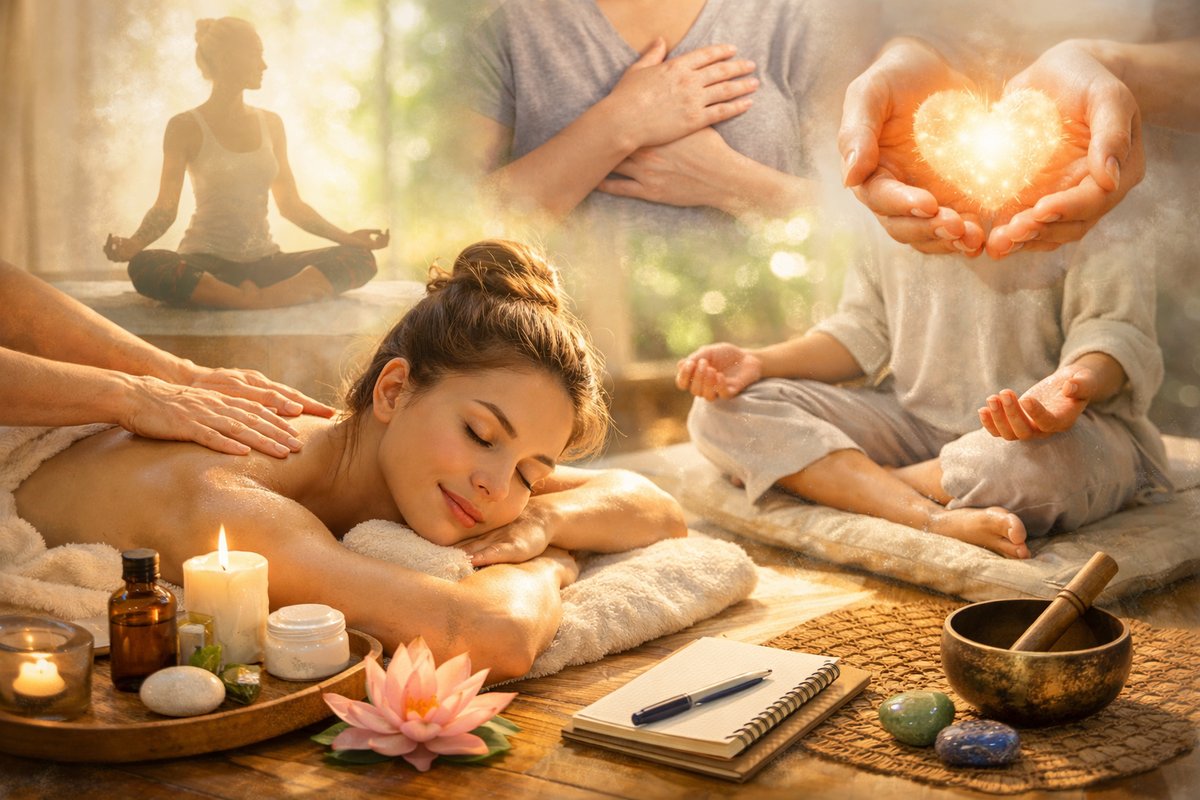

Why Wholistic Massage Matters for Whole-Person Well-Being
In today’s busy world, our bodies and minds carry stress from long workdays, screen fatigue, and the demands of daily life. Wholistic massage offers more than momentary relaxation-it supports a balanced experience of body, mind, and lifestyle. By blending gentle touch with mindful breathing and simple movement, this approach eases physical tension, invites emotional calm, and helps you stay connected to your body in everyday moments.
Unlike a narrow focus on sore muscles, wholistic massage considers how posture, breathing patterns, and even daily habits influence overall well-being. When you practice these techniques regularly, you cultivate resilience against stress and deepen your capacity for self-awareness. Let’s explore how you can bring wholistic massage into your routine to nurture whole-person health.
Foundational Principles of Wholistic Touch
At its core, wholistic massage rests on three pillars: thoughtful touch, mindful presence, and lifestyle integration. Each pillar supports the others:
- Thoughtful Touch: Gentle, deliberate strokes chosen to match the body’s needs-light effleurage for environmental stress, deeper petrissage for muscle tension, and soothing holds for emotional release.
- Mindful Presence: Bringing calm, attentive awareness to every sensation-both the receiver’s and your own. This mental focus deepens the sense of connection between body and mind.
- Lifestyle Integration: Encouraging small daily habits-breathing exercises at your desk, short self-massage breaks, subtle posture adjustments-to reinforce the benefits of each massage session.
By weaving these elements together, wholistic massage becomes a practice that extends beyond the massage table into your moments of rest, work, and recreation.
Practical Self-Massage Techniques You Can Try Today
Whether you set aside ten minutes before bed or practice brief pauses throughout the day, these simple techniques create pockets of calm and balance.
- Neck and Shoulder Release: Gently cradle your head with both hands. Apply light, circular pressure at the base of the skull, then glide your fingertips along the tops of your shoulders. Coordinate the movement with a slow inhalation and exhalation to invite a deeper sense of ease.
- Forearm Soothing: Rest one forearm on the opposite palm. Use your thumb to make deliberate, sweeping strokes from the wrist toward the elbow. This can ease repetitive-strain tension for anyone working at a keyboard or holding a phone frequently.
- Hand and Finger Comfort: Support your palm in one hand. Use your thumb to knead the fleshy pads beneath your fingers, then gently pull each fingertip to release built-up tightness. Ending with wrist circles can enhance joint mobility.
- Foot Grounding: Place a firm ball (like a massage ball or tennis ball) under your arch. Shift your weight gently back and forth, allowing the ball to knead the sole. Follow with broad, nurturing strokes of the top of the foot toward the ankle.
Spend a few breaths at each point. Notice any areas that feel particularly tender or relieved-this awareness guides future sessions.
Mind-Body Synergy Through Breath and Movement
Integrating breathing patterns and subtle movement elevates massage from a physical routine into a mind-body practice:
- Coordinated Breathing: Inhale deeply before a stroke, and exhale slowly as you glide your hands over the muscles. This timing amplifies relaxation and helps release residual tension held in the tissues.
- Gentle Joint Mobilization: After massaging a joint area (wrist, ankle, or shoulder), move the joint through its comfortable range of motion. Pay attention to the sensation of space opening in the joint and surrounding tissues.
- Body Scanning: Upon completing self-massage, lie or sit quietly for a moment. Mentally scan from toes to head, noting any areas of warmth, tingling, or lingering tightness. This practice strengthens your internal body awareness.
Evidence-Informed Benefits Backed by Massage Research
Numerous studies highlight the positive impact of regular massage on stress reduction and overall health. For instance, research shows that massage therapy can lower levels of the stress hormone cortisol, while boosting feel-good neurotransmitters like serotonin and dopamine. Another study found that gentle massage paired with mindful breathing improved sleep quality in participants reporting mild insomnia.
In addition, self-myofascial release techniques-such as using a foam roller or massage ball-have been shown to enhance flexibility and reduce muscle soreness after exercise. These findings reinforce how accessible, low-intensity practices can deliver lasting benefits when integrated into daily life.
Creating a Wholistic Massage Ritual at Home
Ritualizing your practice adds intention and consistency. Try these steps:
- Set a Calm Environment: Choose a quiet corner with soft lighting. Play gentle instrumental music or nature sounds if you enjoy auditory support.
- Gather Simple Tools: A soft towel or yoga mat, a small massage ball, and a nourishing plant-based oil or lotion can anchor your ritual.
- Begin with Breath: Spend one to two minutes simply breathing, grounding your attention in the rise and fall of each inhale and exhale.
- Progress Through the Body: Follow a head-to-toe sequence, applying the techniques outlined above. Adjust pressure to your comfort level.
- Close with Body Awareness: Lie supine or sit comfortably. Rest your hands over your heart and belly, noticing the subtle shifts in your chest and abdomen. Express gratitude for the time you dedicated to self-care.
This ritual takes as little as ten minutes. Over time, it grows into a dependable practice that supports your well-being amid daily demands.
Growing Your Practice Over Time
As you become more familiar with your body’s responses, consider these expansions:
- Explore Different Mediums: Add a cooling gel for invigorating leg rubs, or a warming balm to ease stiffness in the shoulders.
- Incorporate Partner Massage: With consent, exchange gentle techniques with a friend or family member for shared relaxation.
- Combine with Movement: Integrate light stretching or a short yoga flow at the end of your massage ritual to enhance circulation and mobility.
Remember, consistency matters more than duration. Even brief daily practices accumulate into profound, sustained benefits.
Embracing Mindful Self-Care Each Day
Wholistic massage invites you into a deeper conversation with your own body and breath. It rewards curiosity-each session reveals new patterns of tension or ease. By approaching touch with care, you build resilience against stress, uplift your mood, and nurture a lasting sense of balance.
Make self-massage an act of kindness rather than a chore. Honor your limits, respect your comfort level, and celebrate small victories: the first time you notice more relaxed shoulders, or the evening you fall asleep minutes faster than usual. These gentle shifts add up, weaving harmony throughout your day.
As you close today’s practice, carry forward the calm touch of your own hands. Notice how grounded you feel, even amid life’s currents. Wholistic massage is more than a technique-it’s a pathway to whole-person well-being, one breath and touch at a time.
-
InnoGear Essential Oil Diffuser Ultrasonic Diffusers for Home, Basic ...
Experience unparalleled fragrance with our ultra-quiet home diffuser. Its advanced design generates a powerful, fine mist that efficiently fills rooms up to 250 ... -
EQUSUPRO Essential Oil Diffuser 150ml Metal Ultrasonic Cool Mist ...
EQUSUPRO 150ml metal ultrasonic essential oil diffuser features 7 LED colors, waterless auto shut-off, BPA-free material, and up to 12 hours of mist. -
EARTHLITE Massage Oil PRO-LITE – Plant-Based, Nut-Free ...
EARTHLITE has created a new line of high quality, natural, plant-based massage oils to provide the perfect mix of exceptional glide, work-ability, and skin- ... -
Momihoom Dried Flower Essential Oil, Peppermint Massage Oil for ...
Buy Momihoom Dried Flower Essential Oil, Peppermint Massage Oil for Face & Body, Plant-Based Massage Oil for Refreshing & Relaxation, Vegan, Non-Greasy at ... -
RumbleRoller Original Textured Foam Roller - Deep Tissue, Self ...
As you roll on a RumbleRoller, its firm but flexible bumps work like the thumbs of a massage therapist to knead and stretch your muscles. This action erodes ... -
Athletic Works Textured Foam Roller for Deep Tissue Massage and ...
Athletic Works AW Foam Roller features textured bumps for deep tissue massage, muscle recovery, back pain relief, and is sweat-resistant with a ...