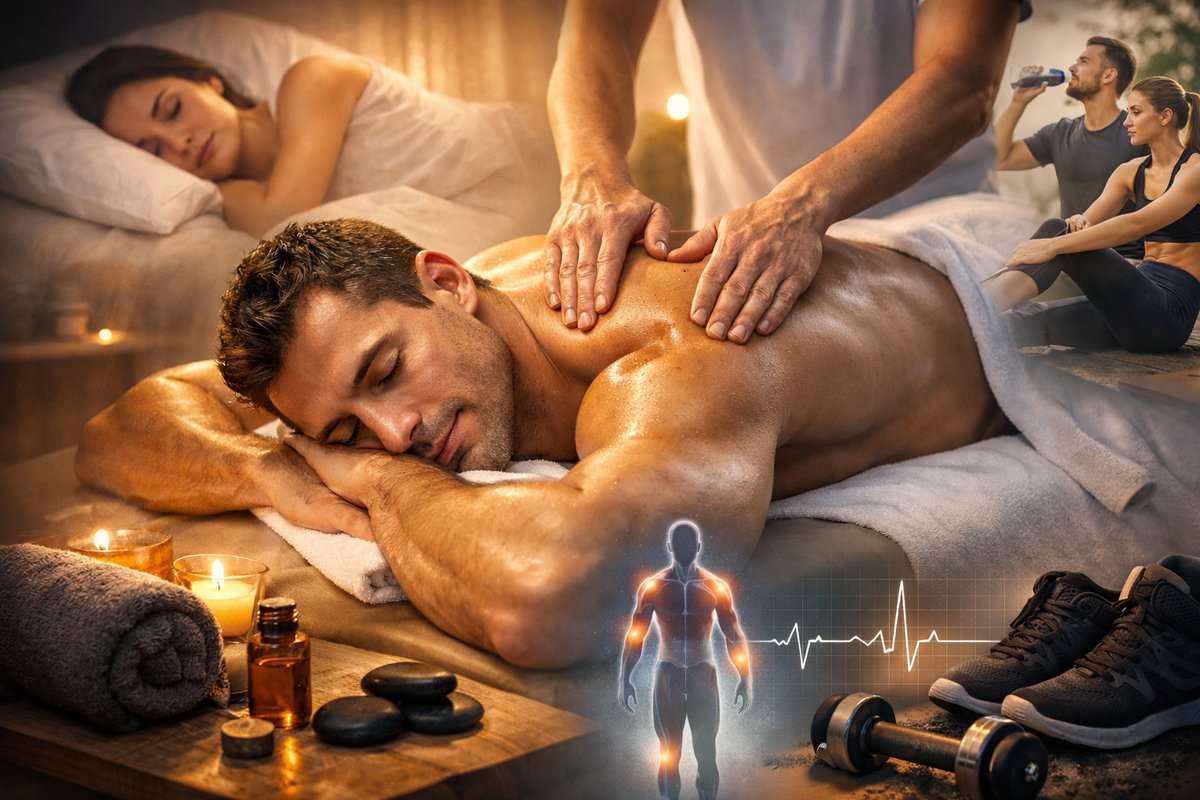

Whether you’re training for a weekend run, hitting the gym to build strength, or simply striving to stay active, your muscles take on stress in every movement. Sports massage isn’t just for elite athletes-it can support anyone who wants to ease tension, speed up recovery, and feel more balanced in body and mind. By understanding how targeted manual techniques influence circulation, muscle tone, and the nervous system, you can make sports massage a reliable tool in your self-care toolkit.
Why Sports Massage Matters
After a hard workout, microscopic damage to muscle fibers triggers inflammation. While this process is essential for strengthening, it can leave you feeling stiff, achy, or mentally fatigued. Research published in the Journal of Sports Science & Medicine shows that sports massage can reduce markers of inflammation and improve perceived recovery by gently mobilizing tissues and encouraging blood flow. Better circulation delivers nutrients to muscles more quickly and carries away metabolic by-products, setting the stage for faster repair.
How Manual Techniques Ease Tension
Sports massage uses strokes like effleurage (long, gliding motions), petrissage (kneading and lifting), and friction to address specific areas of stiffness. When muscles are manually stretched and compressed, baroreceptors in the skin and connective tissue send calming signals to the central nervous system. One study in the Journal of Strength and Conditioning Research found that a focused 15-minute session on the calf reduced electromyographic signs of muscle tension by up to 30 percent. This gentle reset can translate into a freer range of motion, smoother muscle contractions, and less chance of overuse injuries.
Stress Relief and a Calmer Mind
Massage isn’t only about mechanical effects on soft tissue – it also taps into your body’s relaxation response. Slow, rhythmic strokes can lower heart rate and blood pressure, triggering a shift from the fight-or-flight state to a more restful mode. A review in the International Journal of Neuroscience highlighted that massage encourages release of serotonin and oxytocin, neurotransmitters associated with calm and wellbeing. Even a short session can lift mood, ease mental fatigue, and help you approach daily challenges with more resilience.
Restorative Sleep and Renewed Energy
Quality sleep is the foundation of effective recovery. When muscle tension lingers, it can disrupt your ability to settle into deep restorative stages of sleep. By unwinding tight fibers and promoting relaxation before bedtime, sports massage can help you slip more easily into a restful state. Anecdotal reports and small clinical trials suggest that a massage within an hour of going to bed improves sleep latency and overall sleep quality. Better rest means more energy for your next training session or active adventure.
Practical Tips for a Safe Session
Finding a qualified massage therapist is the first step. Look for professionals with credentials from a reputable massage-therapy school or sports-massage certification. Before your session, communicate any preexisting conditions-like mild joint instability or known muscle strains-so they can tailor pressure and techniques. During the massage:
- Begin with lighter strokes and gradually increase intensity as your muscles warm up.
- Breathe deeply and consciously to enhance relaxation and stretch deeper tissues.
- Speak up if a particular area feels too tender-effective sports massage should feel invigorating, not painful.
Afterward, hydrate well to support circulation and consider a gentle stretch or a short walk to help disperse any remaining metabolic by-products.
Supporting Your Massage at Home
While regular appointments can be transformative, you can reinforce benefits with simple self-care tools between sessions. A high-density foam roller or a massage ball set can replicate kneading actions, allowing you to target tight spots on your own schedule. Soaking in a warm bath with mineral salts helps calm the nervous system and soothe muscles. Complementary practices like gentle yoga or guided breathing exercises can further extend the relaxation you experience on the massage table.
Cultivating Your Recovery Ritual
Sports massage is more than a luxury-it’s a vital component of holistic care for an active body and mind. Integrating evidence-informed techniques with mindful breathing, consistent hydration, and supportive tools creates a sustainable recovery ritual that nurtures performance and wellbeing. As you explore different approaches, trust your body’s feedback and celebrate the small shifts in comfort, mobility, and ease that come with dedicated self-care.
Whether you schedule a weekly session, enlist a partner for home massage, or use simple tools to maintain muscle health, embracing sports massage will help you move with more confidence and enjoy the full spectrum of activity. Your muscles carry you through every step, lift, and stretch-reward them with the attentive care they deserve.
-
Amazon.com: TOLOCO Massage Gun, Deep Tissue Back Massage ...
Quick Pain Relief: The TOLOCO deep tissue massage gun has a high penetration force of 12mm, up to 3200 rpm, which effectively relieve muscle fatigue and ... -
Brookstone Cordless Hot and Cold Percussion Deep Tissue ...
Buy Brookstone Cordless Hot and Cold Percussion Deep Tissue Massage Gun with 6 Intensity Levels for Muscle Relief at Walmart.com. -
Athletic Works High Density Foam Roller, 18" Length, Red/Black
High-density speckled foam construction ensures durability and easy cleaning. Size Options. Size Options. Available in four sizes: 36x6, 24x6, 18x6, 12x6 inches ... -
Massage Lacrosse Balls for Myofascial Release, Trigger Point ...
IMMEDIATE BENEFITS - Self myofascial release eliminates muscle knots and tension. Trigger point therapy massage lacrosse balls relieve sore and tight muscles to ... -
SPRI Hand Recovery Kit, Fitness, Massage Balls, 3-Pack - Walmart
The SPRI Hand Recovery Kit includes 3 color-coded massage balls with soft, medium, and firm resistances to strengthen hands, wrists, and forearms while ...