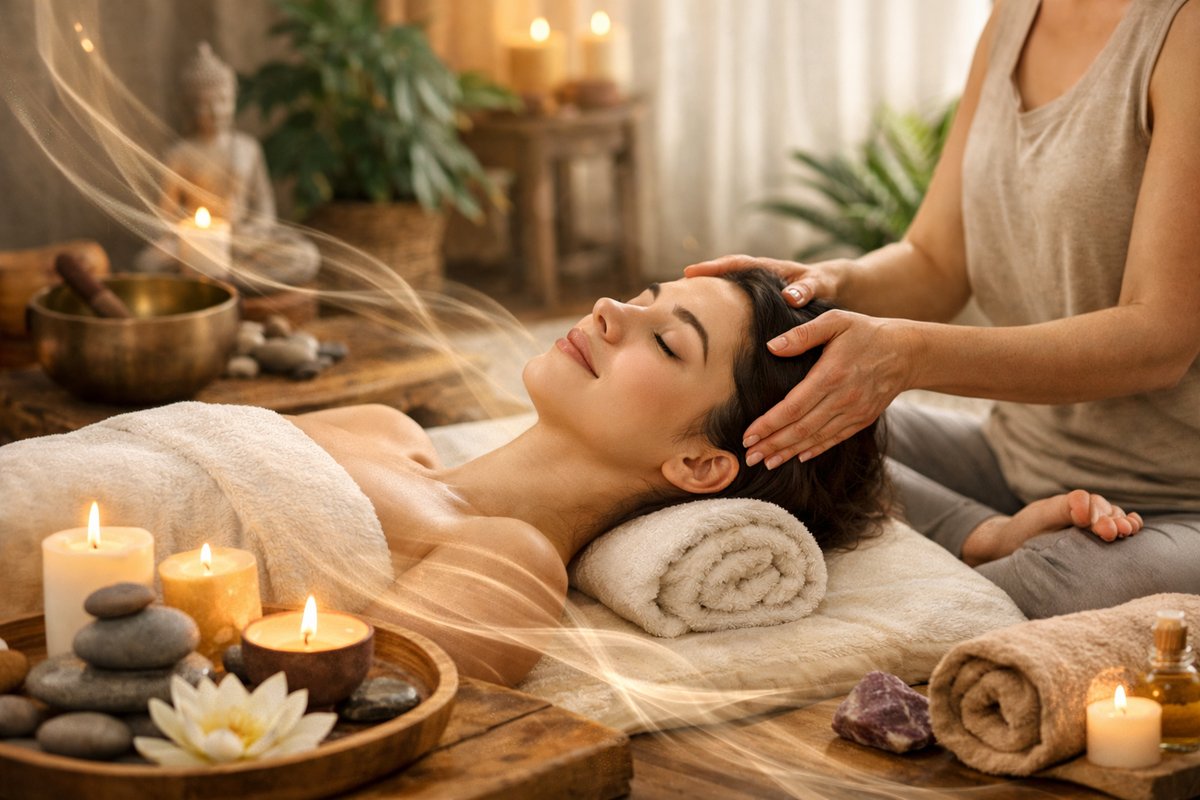

Why Wholistic Massage Matters
Wholistic massage invites us to pause and reconnect, honoring the body’s physical needs alongside emotional and lifestyle rhythms. Rather than focusing on one muscular knot or ache, it considers posture, breathing patterns, daily habits, and stressors. Research indicates that combining gentle pressure with mindful awareness can reduce cortisol levels, increase feelings of calm, and enhance overall wellbeing. By appreciating the interplay of body, mind, and day-to-day life, wholistic massage becomes a tool for sustained balance rather than a quick fix for isolated tension.
Attuning to Breath and Body
A foundational element is mindful breathing. Before any hands-on work, take a moment to settle into a comfortable position-either seated or lying on your stomach. Place one hand lightly on the belly and the other on the chest. Breathe in slowly through the nose, allowing the belly to rise and the lungs to fill, then exhale gently through slightly parted lips. Repeat this cycle five to seven times. This simple practice lowers heart rate, primes the nervous system for relaxation, and creates a receptive space for massage strokes that follow.
Slow Strokes for Deep Relaxation
Central wholistic techniques involve long, flowing strokes along large muscle groups. Using a light to moderate pressure, glide your hands along the back, shoulders, or legs in the direction of blood flow. Imagine warm oil or lotion that reduces friction and supports skin glide. Each pass can last five to ten seconds. This gentle sequence stimulates circulation and encourages the release of held tension without triggering pain receptors. According to clinical guidelines, these effleurage strokes help improve lymphatic drainage and foster a calm, meditative state.
Bridging Mind and Movement
Incorporating subtle movements can deepen the mind-body connection. For example, after applying light pressure along the lower back, invite the person receiving the massage to gently arch or flatten their spine in sync with inhales and exhales. This pulsating rhythm enhances spinal mobility and invites awareness of core muscles. If you’re massaging your own shoulders, try rolling them forward on an exhale and lifting slightly on an inhale. Such coordinated breath-and-motion patterns weave together sensory feedback and support mindful presence.
Practical At-Home Rituals
You don’t need specialized training or a dedicated treatment table to bring wholistic massage into daily life. These accessible practices can be woven into morning or evening routines:
- Hand Massage: Warm a small amount of lotion between your palms, then use the thumbs to apply gentle circles across the palm and each finger. Finish by stretching from the base of the wrist to the tips of the fingers.
- Neck and Shoulder Release: Standing or sitting, place the right hand on the left shoulder. Press gently and guide the shoulder blade downwards as you breathe out. Switch sides after three to five slow breaths.
- Foot Soother: Soak your feet in warm water for a few minutes to soften tissues. Then, using a massage ball or a firm rubber ball, roll under the arch and heel in slow, deliberate strokes. Follow with light circular pressure on the top of the foot.
- Self-Pulsing: Lie face down on a soft surface. With hands placed on either side of the lower back, press in gently while breathing out, then release slightly on the inhale. Repeat rhythmically for one to two minutes.
These mini-sessions can be adapted to fit break times at work, pre-sleep rituals, or weekend self-care slots. The key is consistency and attention to the sensations that arise.
Evidence-Informed Insights
Multiple studies have shown that massage therapy can help reduce perceived stress, enhance mood, and even improve sleep quality. In wholistic practice, therapists often integrate feedback loops-encouraging clients to note changes in tension, emotion, or posture during each session. Journaling sensations or stress levels before and after self-massage can underscore subtle improvements over time. While individual responses vary, an approach that blends touch with breath and simple movement often yields more sustainable benefits than isolated, high-pressure techniques.
Embrace Your Self-Care Ritual
Wholistic massage is an invitation to slow down, honor personal boundaries, and tune into the body’s wisdom. By weaving mindful breathing, gentle strokes, and small movement patterns into your routine, you create a personal sanctuary of ease-no special equipment required. Over weeks and months, these practices can foster resilience against daily stress and cultivate a deeper sense of balance. Remember, the most powerful tool is your own attentive touch and the willingness to listen to what your body tells you.
May this guide inspire you to develop approachable, nurturing rituals that support both your physical relaxation and emotional grounding. Your body, mind, and daily life will all benefit from the compassionate attention you give yourself each day.
-
TriggerPoint GRID 1.0 Deep Tissue Massage Foam Roller, Black 13
Improve muscle flexibility and recovery with the TriggerPoint GRID 1.0 foam roller, featuring hollow core and multi-density foam for firm compression. -
Posture Magic Massage Ball Set for Myofascial Trigger Point ...
Our bundle pack includes a large foam ball (3.5”), a small foam ball (2.6”), a smooth lacrosse ball (2.5”), a peanut ball (5.5”), a spiky ball (3”), a hand ... -
4KOR Massage Ball Set - Deep Tissue Myofascial Release, Ideal for ...
Roll Into Deep Tissue Relief: Soreness, stiffness, and knots get smoothed out of existence with 4KOR s durable Fireball massage balls. -
AllSett Health Firm Cervical Neck Roll Memory Foam Pillow, Bolster ...
SLEEP BETTER- Sleeping with the memory foam round pillow, provides the ultimate comfort and relief throughout your body. Easily adjust pillow to be used for ... -
MOONORAH Cervical Neck Pillows for Pain Relief Sleeping ...
Buy MOONORAH Cervical Neck Pillows for Pain Relief Sleeping, Memory Foam Neck Bolster Support Pillow, Shoulder Relaxer for Stiff Pain Relief, ...