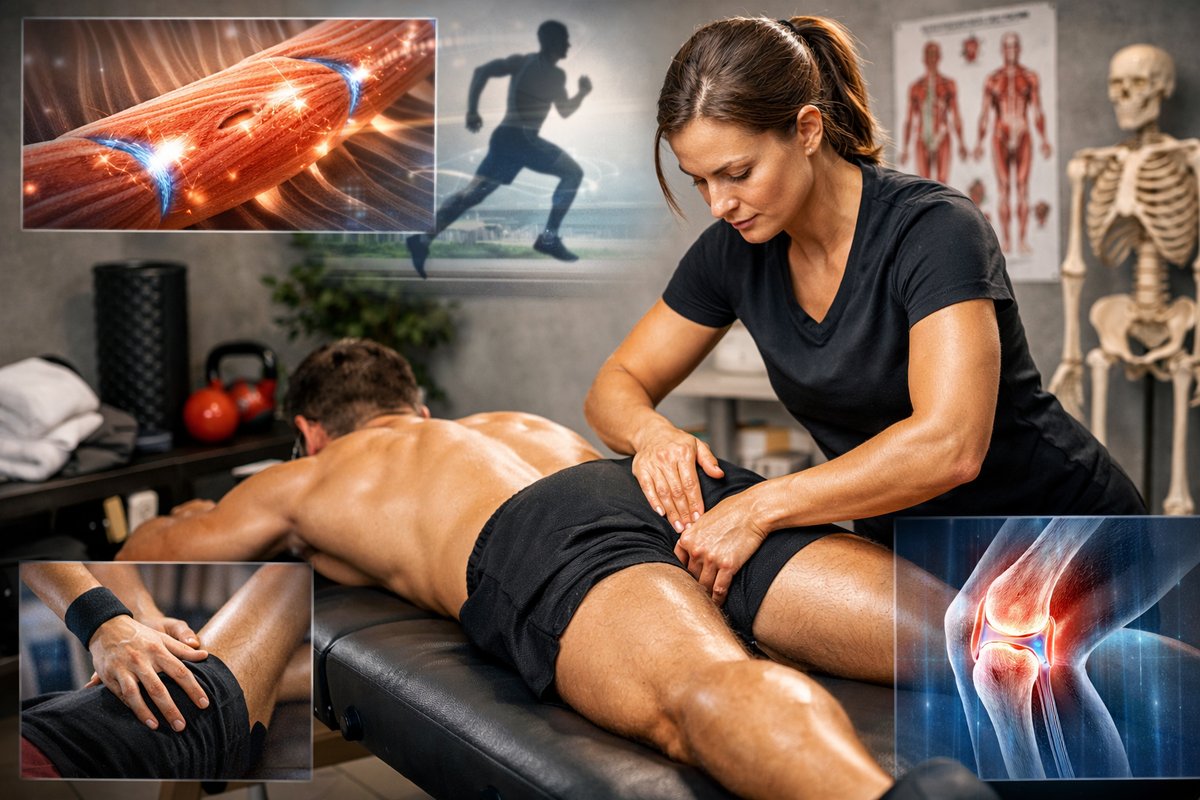

Whether you just wrapped up a challenging training session or you’re gearing up for the next game, sports massage can be an essential component of your recovery toolkit. By combining focused pressure, stretching, and rhythmic strokes, it helps ease muscle tension, restore range of motion, and soothe the nervous system-so you step back into activity feeling refreshed rather than worn down. Understanding how and why these techniques work allows you to integrate massage into your routine in a safe, effective way.
The Science Behind Sports Massage
At its core, sports massage leverages hands-on manipulation of soft tissues-muscles, tendons, and fascia-to influence circulation, inflammatory processes, and neuromuscular function. When you exercise, microtears form in muscle fibers. A careful, research-supported approach to massage helps increase blood flow to those areas, supplying oxygen and nutrients that are crucial for repair. At the same time, gentle pressure can stimulate the lymphatic system, encouraging waste products like metabolic by-products and excess fluid to clear more effectively.
Studies have shown that sports massage can reduce delayed onset muscle soreness (DOMS), improving perceived pain levels by up to 30 percent in the 24 to 48 hours after intense exercise. It also appears to moderate the production of stress hormones, supporting an overall sense of calm. Rather than promising a miracle cure, this form of manual therapy works in synergy with rest, hydration, and proper nutrition to create optimal conditions for your body to rebuild itself.
Techniques and Tools for Targeted Relief
Sports massage isn’t a one-size-fits-all approach. Common techniques include effleurage (long, gliding strokes), petrissage (kneading and rolling), tapotement (rhythmic tapping), and myofascial release (gentle stretching of connective tissues). Your therapist-or even a knowledgeable training partner-can adapt these strokes to target tight areas like calves, hamstrings, quads, or the shoulders and neck, depending on the demands of your sport.
In addition to hands-on work, self-massage tools such as foam rollers, massage balls, and handheld massage sticks can reinforce professional sessions. Rolling slowly over a tender area helps break up adhesions in muscle fibers, increasing tissue mobility. Pair these tools with deep breathing and light stretching to maximize the benefit without pushing into pain.
Practical Tips for a Safe, Effective Session
Before you begin any massage-whether professional or self-administered-make sure you’re well hydrated. Water supports circulation and helps your tissues respond more responsively to pressure. Aim for a light meal or snack 60 to 90 minutes beforehand to fuel the session without discomfort.
Communicate openly about your comfort level. Pressure should feel firm enough to be therapeutic but never sharp or overwhelming. If you notice unusual pain, tingling, or numbness, ease up or shift focus to a different area. Sessions lasting 30 to 60 minutes are common, but short 10- to 15-minute targeted routines can be equally effective when time is tight.
After a session, allow yourself a few moments of quiet rest. Gentle stretches, deep diaphragmatic breathing, and mindful observation of any change in tension all support the nervous system’s transition back to everyday activity.
Incorporating Massage Into Your Routine
Frequency depends on training intensity, personal recovery rate, and scheduling constraints. Serious athletes might schedule weekly appointments during hard training blocks, while recreational exercisers often benefit from bi-weekly or monthly sessions. Self-massage can be performed daily in short windows-perhaps first thing in the morning or right before bed-to maintain tissue quality.
Combine sports massage with complementary recovery strategies: low-intensity movement like walking or gentle cycling, targeted stretching or yoga, and contrast baths if they suit your preference. By weaving these elements together, you create a recovery ecosystem that respects both the physical and sensory dimensions of rest.
Setting the Stage: A Calming Environment
Massage isn’t only about what you feel under the therapist’s hands; it’s also about what you hear, see, and smell. Soft lighting, a comfortable table or mat, and subtle background sounds-think nature recordings or quiet instrumental music-can help your mind settle. If you’re working alone, choose a peaceful corner of your home, lay down towels or a yoga mat, and dim harsh overhead lights. A mild-scented oil, like sweet almond or grapeseed infused with a hint of lavender, can add a soothing aroma without overwhelming the senses.
This sensory awareness reminds your body to relax more deeply. When tension melts away, massage strokes become more effective, and your nervous system shifts from a protective “fight-or-flight” state into the restorative “rest-and-digest” mode where true recovery occurs.
By treating sports massage as more than a quick fix-viewing it instead as a ritual that nurtures both body and mind-you tap into a deeper level of resilience. Your muscles heal, your nervous system unwinds, and you cultivate an ongoing appreciation for how rest fuels performance.
Embracing Mindful Recovery
At the heart of sports massage is a simple principle: caring touch helps the body communicate with itself more effectively. When you pause to notice sensations, honor boundaries, and give yourself permission to slow down, you open a door to sustainable progress. Whether you’re an elite athlete or someone who jogs for fun, regular massage sessions-professional or self-administered-can enhance flexibility, reduce soreness, and support restful sleep.
Ultimately, sports massage is one part of a larger self-care mosaic. By listening to your body, staying curious about what works best for you, and building supportive rituals around movement and rest, you create the foundation for ongoing well-being. Celebrate each small gain, honor recovery days as you would training days, and remember that strength grows in moments of stillness as much as sweat.
-
Monoprice Height Adjustable Standing Foot Rest - Black - Walmart
Ergonomic Foot Rest Under Desk with 6 Adjustable Heights, Massage Roller ... HOMBYS Adjustable Foot Rest Under Desk for Office, High-Density Foam Foot ... -
Acupoint Physical Massage Therapy Ball Set - Ideal for Yoga, Deep ...
Yoga massage ball set of 2: Therapy balls for self myofascial release and target trigger points, fascia knots, and muscle tension. -
Hyperice Hypersphere Vibrating Therapy Ball - Walmart.com
Deep Tissue Massage Gun, Percussion Muscle Massager for Athletes, Handheld Fascia Gun with 6. -
Amazon.com: Idson Muscle Roller Stick for Athletes- Body Massage ...
MUSCLE ROLLER STICK to ease and condition muscle soreness and aid recovery, reduce stiffness and pain before and after workouts, exercise, ... -
Hyperice Hypersphere Vibrating Therapy Ball - Walmart.com
Upgraded Deep Muscle Tissue Massager: Back & Neck Massager for Pain Relief, Self-Use Massager Stick, Full Body Trigger Point Tool for Back, Neck & Shoulder ...