
Why Sports Massage Matters
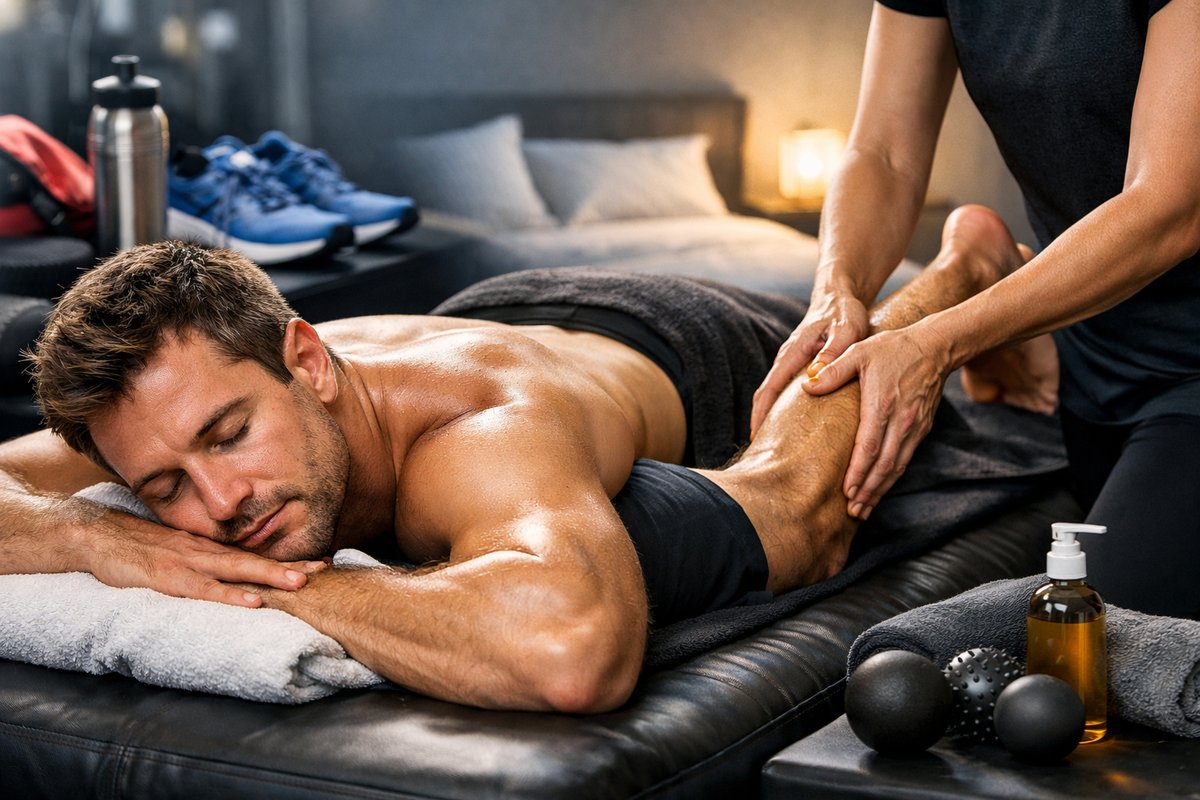
Every time you move-whether in a brisk walk, a friendly game of basketball, or a routine workout-microscopic stress builds in your muscles and connective tissues. Sports massage uses targeted pressure, rhythmical strokes, and stretching to promote blood flow, reduce stiffness, and prime your body for recovery. Far from being reserved for elite athletes, these manual techniques have become a staple for anyone who wants to feel lighter on their feet, more rested at night, and more attuned to their body’s signals.
Stress Relief and Mental Recovery
A session of sports massage doesn’t just address physical knots. By activating pressure receptors in your skin and muscles, massage can help dial down the “fight or flight” response. A steady effleurage (long, gliding strokes) encourages the parasympathetic nervous system to settle in, slowing heart rate and easing tension. In a review published in the Journal of Athletic Enhancement, researchers noted that regular massage sessions led to reduced levels of cortisol-the primary stress hormone-by up to 15 percent. This translates into a calmer mind, clearer thinking, and an enhanced sense of well-being that carries you through a busy day.
Muscle Tension and Soft Tissue Health
After exercise or prolonged periods of sitting, muscle fibers can stiffen and form small adhesions known as trigger points. Sports massage techniques like petrissage (kneading) and cross-fiber friction work to break up these adhesions, improving flexibility and range of motion. In one study of runners, a single 20-minute sports massage session improved calf muscle pliability by 12 percent, suggesting that regular manual therapy can make your next run-or everyday activities like climbing stairs-feel smoother and more efficient.
Improving Sleep and Daily Performance
A tight back or shoulders can rob you of a good night’s rest, setting off a cycle of fatigue and tension the next day. By encouraging better circulation and relieving stress hormones, sports massage can help you drift into deeper, more restorative sleep. Participants in a sleep study reported falling asleep faster and waking less often after a series of massage treatments. When your body recovers overnight, you wake up feeling refreshed and ready to tackle both workouts and work projects with renewed focus.
Safe Techniques You Can Try Today
Even if you don’t have immediate access to a professional, you can apply safe, effective self-massage tools at home:
- Foam rolling: Gently roll your quads, hamstrings, and calves over a foam roller, pausing on tender spots for 20-30 seconds. Keep your core engaged and breathe steadily.
- Massage ball: Place a small, firm ball under your shoulder blade or arch of the foot. Lean into it to apply pressure, then make slow, controlled circles to work out knots.
- Heating pad or warm towel: Apply gentle heat for 10-15 minutes to relax muscles before or after self-massage. Warmth enhances tissue pliability and comfort.
Always move within a pain-free range and listen to your body’s cues. If tension persists, seek guidance from a licensed massage therapist who can tailor pressure and techniques to your specific needs.
Cultivating Body Awareness
At its heart, sports massage is as much about connection as it is about pressure. Tune in to how different strokes feel on your skin. Notice how improved circulation brings a pleasant flush to your muscles. Cultivating this sensory awareness fosters better posture-allowing you to stand taller, move more freely, and carry less tension in everyday tasks.
Mindful self-care might begin with a short rolling session on the living room floor or a periodic professional treatment. As you incorporate these practices into your routine, you’ll build a deeper understanding of what your body needs: more fluid movement, calmer energy, and the simple satisfaction of muscles that feel cared for. In time, sports massage can become a cornerstone of a balanced lifestyle-one stroke at a time.
-
Hyperice Hypersphere Vibrating Therapy Ball - Walmart.com
Upgraded Deep Muscle Tissue Massager: Back & Neck Massager for Pain Relief, Self-Use Massager Stick, Full Body Trigger Point Tool for Back, Neck & Shoulder ... -
Posture Magic Massage Ball Set for Myofascial Trigger Point ...
Our bundle pack includes a large foam ball (3.5”), a small foam ball (2.6”), a smooth lacrosse ball (2.5”), a peanut ball (5.5”), a spiky ball (3”), a hand ... -
Hyperice Hypersphere Vibrating Therapy Ball - Walmart.com
Deep Tissue Massage Gun, Percussion Muscle Massager for Athletes, Handheld Fascia Gun with 6. -
GENIANI Electric Heating Pad for Back Pain & Cramps Relief ...
INSTANT WARMTH, EVERYDAY COMFORT: Engineered with advanced heat technology, this electric heating pad for back pain delivers ... -
Bed Buddy Soothing Microwaveable Heating Pad for Body Aches ...
Buy Bed Buddy Soothing Microwaveable Heating Pad for Body Aches & Pains, Hot and Cold Pack for Neck at Walmart.com. HSA/FSA eligible, making your health and ...