
Why Stress Relief Matters for Daily Well-Being
Modern life often brings deadlines, traffic, and digital distractions that can leave both body and mind in a constant state of alert. When stress becomes chronic, it can interfere with sleep, productivity, and emotional resilience. Massage therapy provides a safe, nurturing way to tap into the body’s natural relaxation response. By engaging the sense of touch, reducing muscle tension, and encouraging mindful breathing, a professional massage can offer a much-needed pause-one that benefits overall health without any side effects.
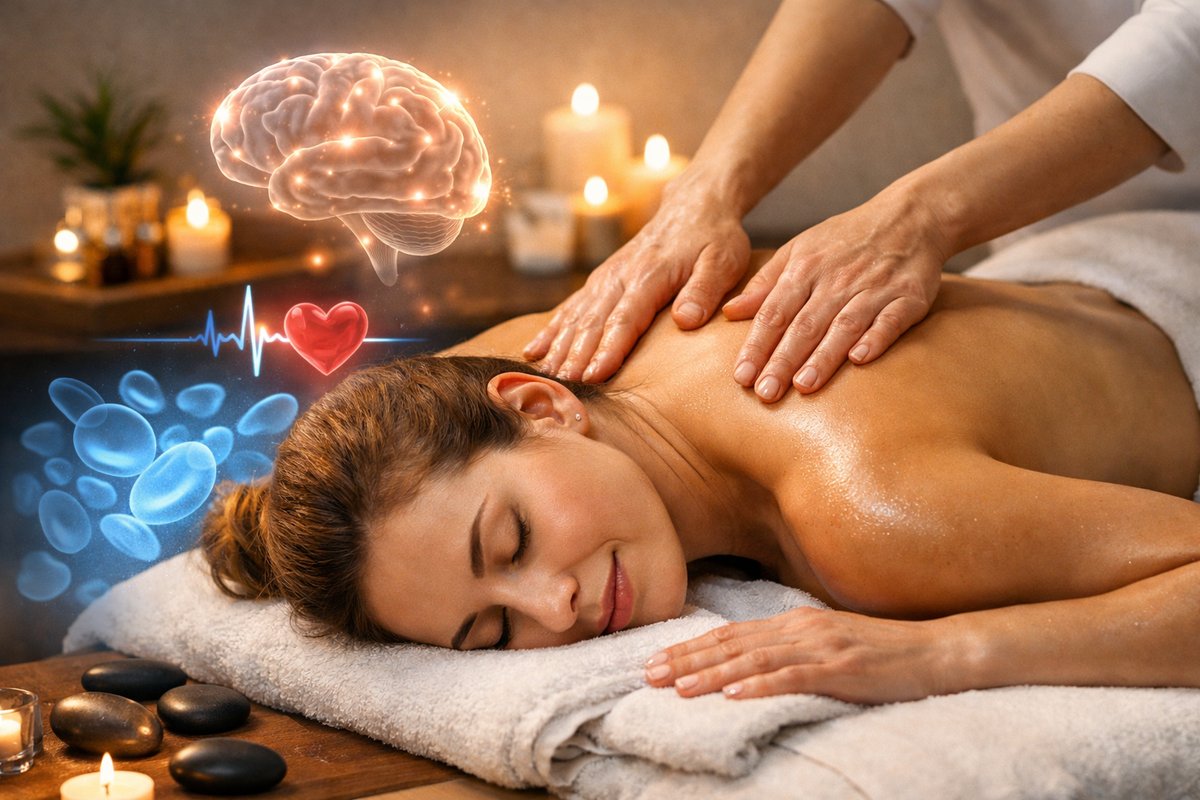
The Science Behind Touch and Calm
Researchers have studied how massage influences the nervous system, revealing several key effects:
- Reduction in cortisol levels: Studies show that even a 15-minute session can lower cortisol, the primary stress hormone, helping the body shift out of fight-or-flight mode.
- Boost in feel-good neurotransmitters: Physical touch triggers the release of endorphins and serotonin, compounds that promote relaxation and a positive mood.
- Improved circulation and lymphatic flow: Gentle pressure and rhythmic strokes encourage blood flow, which can ease muscle tension and support toxin removal.
These biological processes work together to create a sense of calm that extends beyond the massage table.
Key Mechanisms: How Massage Calms the Mind
- Stimulation of pressure receptors: Applying moderate pressure to the skin activates receptors that signal the brain to dial down stress activity.
- Activation of the parasympathetic system: Slower, softer strokes engage the body’s “rest and digest” response, lowering heart rate and respiratory pace.
- Mind-body connection: The focused, tactile nature of massage encourages present-moment awareness, giving the mind a break from worry loops.
Each of these pathways contributes to a measurable shift in both subjective stress levels and objective markers like blood pressure.
Practical Tips for a Stress-Reducing Massage
Whether you visit a licensed therapist or practice self-massage at home, keep these strategies in mind:
- Communicate preferences early: Tell your therapist about any areas of tension or discomfort and your preferred pressure level. Clear communication ensures the session feels both safe and effective.
- Focus on key stress zones: Common tension spots include the neck, shoulders, scalp, and lower back. Gentle kneading and circular motions here can yield big relief.
- Pair with breathing techniques: Inhale deeply through the nose during lighter strokes, then exhale slowly through pursed lips as pressure increases. This syncs breath with touch and amplifies relaxation.
- Use supportive tools: At home, a soft massage ball or foam roller can mimic therapist techniques. Always move slowly and avoid direct pressure on bones or joints.
- Maintain comfortable positioning: Whether face-up or face-down, use pillows or bolsters under knees or ankles to support natural curves and prevent strain.
Integrating Massage into Daily Self-Care
Massage doesn’t have to be a rare indulgence. By weaving small moments of self-touch and mindful movement into your routine, you can keep stress from building up:
- Start or end your day with five minutes of self-massage on forearms, calves, or temples.
- Set a weekly appointment with a qualified therapist or attend a local community clinic that offers sliding-scale rates.
- Combine gentle stretching with massage tools after a workout to support both muscle recovery and relaxation.
- Stay hydrated and nourish yourself with balanced meals-hydration and nutrition help tissues respond better to manual therapy.
These small investments in body care can deliver cumulative stress-busting benefits over time.
Finding a Qualified Massage Professional
When seeking a massage therapist, look for credentials from recognized bodies (such as national or state licensing boards). A skilled therapist will:
- Conduct a brief intake to learn about your health background and tension patterns.
- Explain techniques and gain consent before trying new strokes or deeper pressure.
- Offer modifications or alternative approaches if you experience pain or discomfort.
A professional who combines technical skill with empathy can make each session both effective and emotionally supportive.
Avoiding Common Missteps
- Don’t push beyond comfort: Deep pressure isn’t always better. Aim for a balance of firm but nonpainful touch.
- Be mindful of contraindications: If you have a skin condition, acute injury, or certain circulatory issues, consult a healthcare professional before massage.
- Set realistic expectations: Massage helps manage stress but is not a substitute for therapy, medical care, or lifestyle adjustments when deeper issues exist.
Celebrating the Senses
A calming environment enhances the massage experience. Think about soft lighting, a gentle temperature, and soothing background sounds like low-volume instrumental music or nature recordings. A light, unscented lotion or oil can help reduce friction and allow smooth gliding strokes without overwhelming the senses.
Embracing Mindful Self-Care
Massage therapy offers more than momentary relief-it invites you to slow down, tune in, and honor your body’s signals. By exploring different techniques and practicing regularly, you can build resilience against daily stressors. The gentle power of touch reminds us that caring for both body and mind is a worthwhile investment.