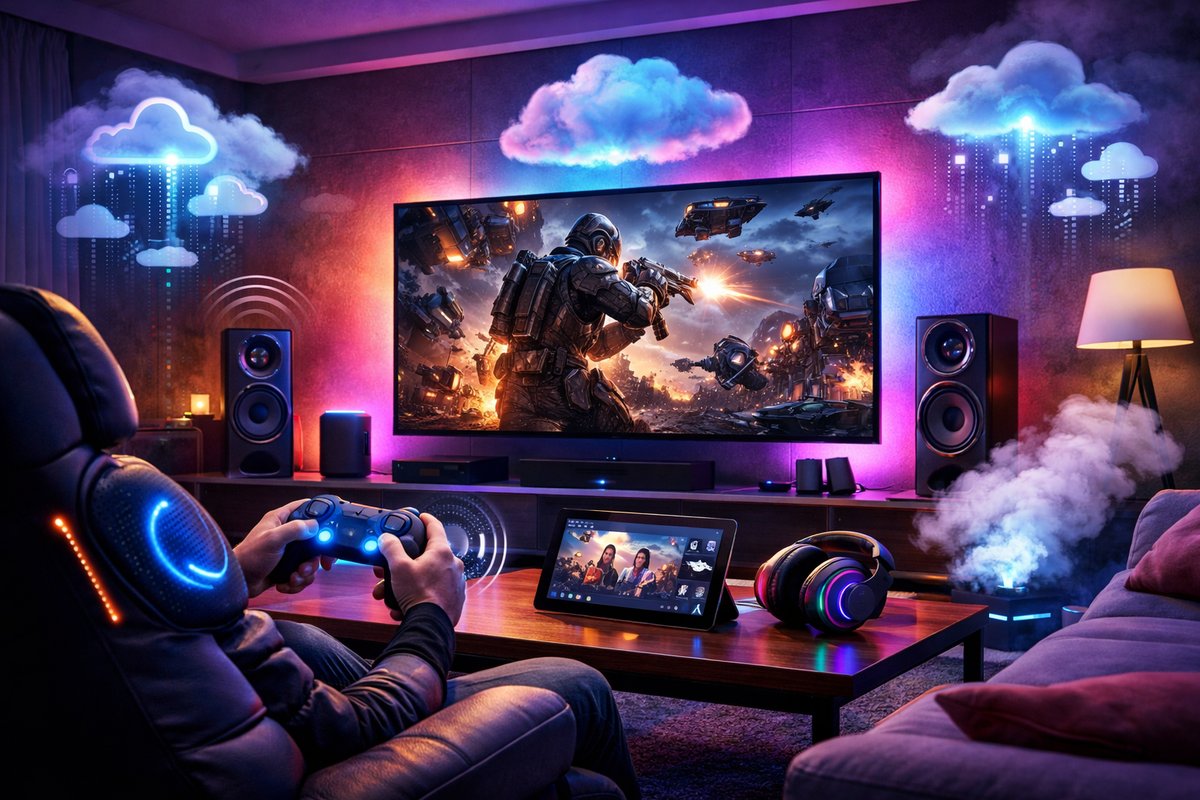

In living rooms around the world, the once-humble console under the TV is being joined by an array of gadgets, wearables, and lighting rigs that blur the line between reality and virtual worlds. Today’s enthusiasts aren’t just stacking games on shelves-they’re curating experiences that tap all five senses, foster social connection, and reflect personal style.
Gaming rigs have long pushed the envelope on resolution and frame rate, but a new wave of hardware is expanding immersion in unexpected ways. At the forefront are wearable haptic vests that translate on-screen impact into gentle pulses across the torso, elevating tension in a horror title or the thrill of a racing collision. VR headsets continue to refine inside-out tracking and ergonomic fit, while adjacent platforms offer omnidirectional treadmills that track footsteps, letting players walk, run, or sidestep through sprawling virtual arenas.
One recent survey found that more than 60 percent of dedicated players say haptic gear boosted their overall engagement, with almost half reporting a stronger emotional connection to characters and environments. As the accessory market grows, standalone developers are tailoring titles to leverage these new inputs: medieval duels where you actually feel the tug of a sword clash, or sci-fi shooters where your vest mimics the jolt of an energy beam.
An Atmosphere Built for Every Sense
Lighting has always been part of the gaming mood board, but today’s builders are going beyond RGB strips fixed to a desk edge. Modular LED panels can be mounted in custom shapes on walls, synced to game audio for reactive color sweeps that chase explosions or ambient soundscapes. Paired with directional soundbars or multi-speaker arrays, these systems craft a sense of depth: bullets whiz by your ears, footsteps echo behind you, and thunder rolls across the back of the room.
Auditory immersion doesn’t stop at spatial audio. Some setups incorporate dedicated subwoofers under chairs or behind couches to add physical vibration when a rocket lands or a dragon roars. Gamers who stream to audiences also swear by high-fidelity microphones and easy-swap headphone stands, ensuring they maintain crisp voice chat without breaking the aesthetic of a neon-lit lounge.
Hybrid Play: Local Co-op Meets Cloud Tournaments
Playdates have migrated to the cloud. Local meetups still thrive, whether it’s a handful of friends swapping controllers on a couch or a group gathered around a projection-mapped table for a digital board game. Yet hybrid matchups-where players at home link up with friends elsewhere-have surged, with new platforms offering cross-region voice chat, real-time spectator cams, and integrated tournament bracket displays.
Competitive circuits have embraced this shift, too. Regional qualifiers can take place in living rooms across different states, complete with ambient lighting synced to match colors of competing teams. Branded merchandise printers allow organizers to pop out custom badges and wristbands on site, bridging virtual competition with tangible mementos.
DIY Customization: From Shelves to Skylines
One of the defining features of modern setups is that no two look alike. Makers and modders are dissecting old PCs and consoles to spray-paint frames, embed gaming-themed decals beneath tempered glass, or hack 3D-printed mounts for streaming cameras and microphones. Workbenches are doubling as creativity stations, stocked with specialty paints, cable-management channels, and motion-activated LED strips.
Even furniture has joined the mix. Desks with adjustable height and retractable monitor arms make it easier to switch from competitive crouch stance to casual streaming posture. Floating shelves backlit with color-tunable light sources showcase collectible figurines or retro cartridges, while sound-dampening panels fashioned from acoustic foam combine form and function in a single DIY project.
Sustainability and Emotional Intelligence in Design
As consumer electronics face growing scrutiny over e-waste, manufacturers and DIY enthusiasts are paying attention to energy draw, modular repairability, and recyclable materials. Some peripherals now ship in compostable packaging, while popular gaming desks incorporate reclaimed wood planks. Enthusiast forums are filled with guides on swapping out batteries or reflowing circuits to extend the life of aging gear.
Emotional intelligence is another emerging design philosophy. Devices that monitor stress or heart rate can adapt game difficulty on the fly or suggest breaks when tension peaks. Ambient light sensors help auto-adjust screen brightness, reducing eye strain during marathon sessions. These features acknowledge that play matters not only for entertainment but for mental well-being.
Level Up Your Own Living Room Odyssey
Whether you’re a solo explorer diving into a roguelike under a sea of reactive LEDs, a party host staging a hybrid tournament, or a creative mind modding your dream battle station, the modern home play space is limited only by imagination. From multisensory gear to eco-friendly builds and cross-region gatherings, the latest trends invite players to craft personal sanctuaries where every beam of light, pulse of sound, and whisper of feedback coalesces into pure engagement.
In the coming months, expect even more crossover between gaming, film, and interactive performance art, driven by tools that break down the distance between creator and participant. For now, the question is not what game you’ll launch, but how you’ll design the very world around you to become a living extension of the stories you explore.