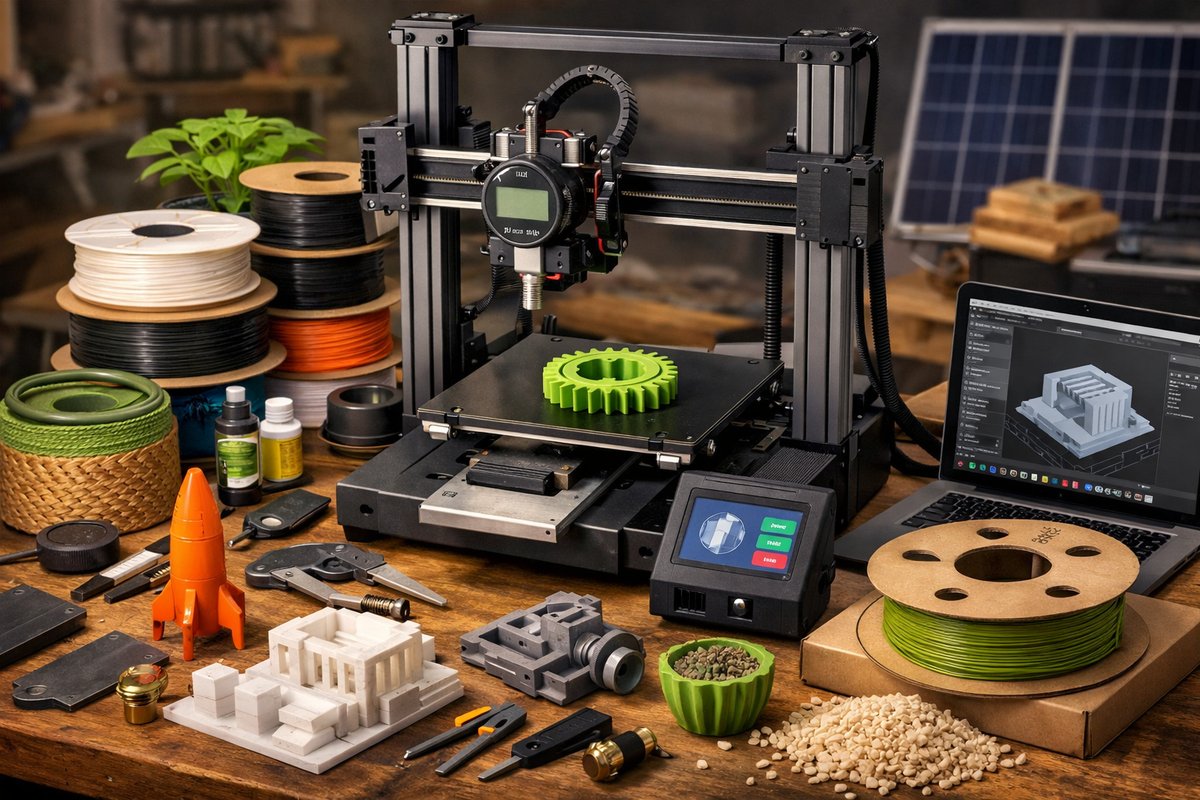

Over the past decade 3D printing has moved from niche labs and hobbyist desks into mainstream prototyping and small scale production. The magic of converting digital designs into tangible objects one layer at a time has inspired artists engineers and educators alike. Yet one enduring challenge remains how to harness the precision of additive manufacturing while keeping costs manageable and processes reliable. Today a wave of innovations is transforming every aspect of the workflow from hardware calibration to material formulation to workflow software. For anyone looking to stretch their budget without sacrificing print quality the layered evolution of techniques offers a roadmap to more economical and successful builds.
Mechanical improvements at the heart of any printer can yield dramatic benefits in cost efficiency and print fidelity. Dual gear drive extruders have emerged as a go to upgrade for consistent filament feeding whether using standard thermoplastics or more abrasive composites. Self leveling sensor kits and auto calibration modules reduce hours spent manually adjusting print beds and gantry alignments. Hardened steel or ceramic nozzles extend service intervals when printing high temperature or filled materials without wearing out. Even stepper motor dampers and reinforced belts help eliminate unwanted vibration leading to cleaner first layers every time. By addressing these core elements makers can reduce material waste and minimize failed runs that eat into both time and funds.
On the material side resin and filament suppliers have responded to growing demand for sustainable and budget friendly options. Recycled polymer blends now allow printers to handle postconsumer pellets at a fraction of the cost of virgin stock while maintaining tensile strength and surface finish. Composite filaments infused with wood minerals or ceramic powders mimic the look of natural materials without requiring separate postprocessing. For those willing to experiment a do it yourself pellet extruder attachment can transform bulk plastic granules into custom filament spools at wholesale pricing. Even vat polymerization resin formulations have seen cost reductions thanks to bulk purchase programs and refillable resin tank systems that minimize waste.
Advancements in slicing software and workflow automation are equally transformative for reducing per part overhead. Next generation slicers incorporate adaptive infill patterns that vary density only where structural integrity demands it reducing print time and filament usage. Integrated cloud slicing platforms let users queue and monitor multiple machines remotely from a single dashboard cutting down on manual intervention. Machine learning driven support generation offers optimized scaffolding that peels away without damaging delicate overhangs saving both cleanup efforts and failed print retries. Open source solutions like networked print server tools also allow for job scheduling across dozens of printers making small batch production viable without heavy staffing requirements.
Multi material and hybrid printing techniques have long been on the fringes but recent hardware modules are bringing them to more workspaces. Dual extruder heads now handle soluble support materials that wash away cleanly under mild solvent baths leaving intricate internal channels or moving parts. Some modular tool heads even switch between fused filament deposition and paste extrusion for clay ceramics or food safe gels within a single build. Emerging systems combine laser sintering for fine metal details with conventional thermoplastic layering enabling small scale metal prototyping without dedicated powder bed machines. By combining techniques users can achieve complex assemblies in one print cycle avoiding time consuming assembly steps and reducing the overall cost per function.
Scaling printing operations has traditionally meant hefty investment in industrial grade equipment yet a growing movement in belt printers and continuous manufacturing platforms offers a more accessible entry point. Continuous build systems use a moving belt to feed parts out as new layers are added reducing downtime between prints and allowing dozens of parts per day on a mid level printer. Some open frame belt designs are compatible with desktop electronics and retrofitable to popular fused deposition printers enabling an upgrade path rather than full replacement. This belt driven approach paired with rapid tool change systems can turn a modest workshop into a lean and productive fabrication cell ready to tackle short runs or on demand parts delivery.
Sustainability remains a guiding value for the 3D printing community and innovation in circular practices is on the rise. Desktop shredders that grind failed prints and support waste enable makers to reclaim up to eighty percent of plastic output and reprocess it into fresh filament. Compostable photopolymer resins are appearing for vat machines reducing environmental impact where biodegradable components are acceptable. Reusable build platform tapes and coated glass plates replace single use adhesives while recyclable packaging for filament spools emphasizes low waste supply chains. By adopting these greener protocols users not only save money but also contribute to a more responsible use of resources at every stage of the creative process.
For makers and small enterprises hands on experimentation remains the cornerstone of refining economical workflows. Developing a calibration chart that tests temperature ranges for each new filament variant can prevent trial and error failures down the line. Keeping a print log with ambient conditions and machine settings helps identify patterns that lead to successful adhesion and layer bonding. Upgrading a simple digital caliper to a wireless bluetooth enabled measuring device ensures dimensional accuracy across parts that must fit together. Even modest investments in filament diameter gauges and flow meters prevent over extruded layers that waste material and clog nozzles. These data driven habits translate directly into fewer scrapped prints and leaner material budgets.
Modern printer connectivity features are unlocking smarter diagnostics and predictive maintenance. Wireless modules enable seamless integration with local networks while sensor arrays measure vibration humidity and nozzle temperature in real time. Custom dashboards aggregate data from multiple devices highlighting trends such as nozzle wear or filament variance before they cause failures. Some platforms even leverage notification alerts to signal when filament is running low or when a print requires human inspection. This integration with internet of things ecosystems empowers makers to schedule maintenance during downtime and optimize print queues based on machine health metrics. By embracing connected workflows small shops minimize unplanned interruptions and ensure a steady flow of high quality prints without unexpected costs.
Training and community led knowledge sharing further advance cost effective practices at scale. Many makerspaces and coworking labs now host calibration clinics where users bring their machines and learn tuning techniques under guidance of seasoned operators. Online build challenge groups crowdsource slicer profiles for popular machines and materials cutting hours of setup time to mere minutes. Some regional networks organize filament swap meets enabling access to trial filaments without buying full spools. In workshops and virtual classrooms alike this spirit of open collaboration accelerates collective learning leading to innovative hacks and shared savings that benefit everyone.
Looking ahead the frontier of economical 3D printing is converging on high throughput micro fabrication and novel curing methods. Continuous liquid interface production systems promise near industrial speeds for resin printing at desktop footprints and lower unit costs. In parallel research on low cost metal powder recycling aims to unlock more affordable sintering workflows for small scale foundries. As open hardware and education initiatives proliferate emerging makers will find an ecosystem primed for budget conscious experimentation and scalable results. The quiet revolution of making layer by layer has never been more accessible or exciting and each new innovation pushes the boundaries of what can be built without breaking the bank.
-
Amazon.com: Creality Official DXC Extruder,Upgrade K1 Series ...
Amazon.com: Creality Official DXC Extruder,Upgrade K1 Series Extruder Kit with Dual Gear Feeding Extrusion,Smart Filament Break Detection, Open Cooling ... -
Gas Burner for Karu 16 Pizza Oven Gas Burner Attachment ...
Buy Gas Burner for Karu 16 Pizza Oven Gas Burner Attachment, Accessories for Karu 16 with Gas Converter Replacement Parts for Pizza Oven Gas Burner: Outdoor ...