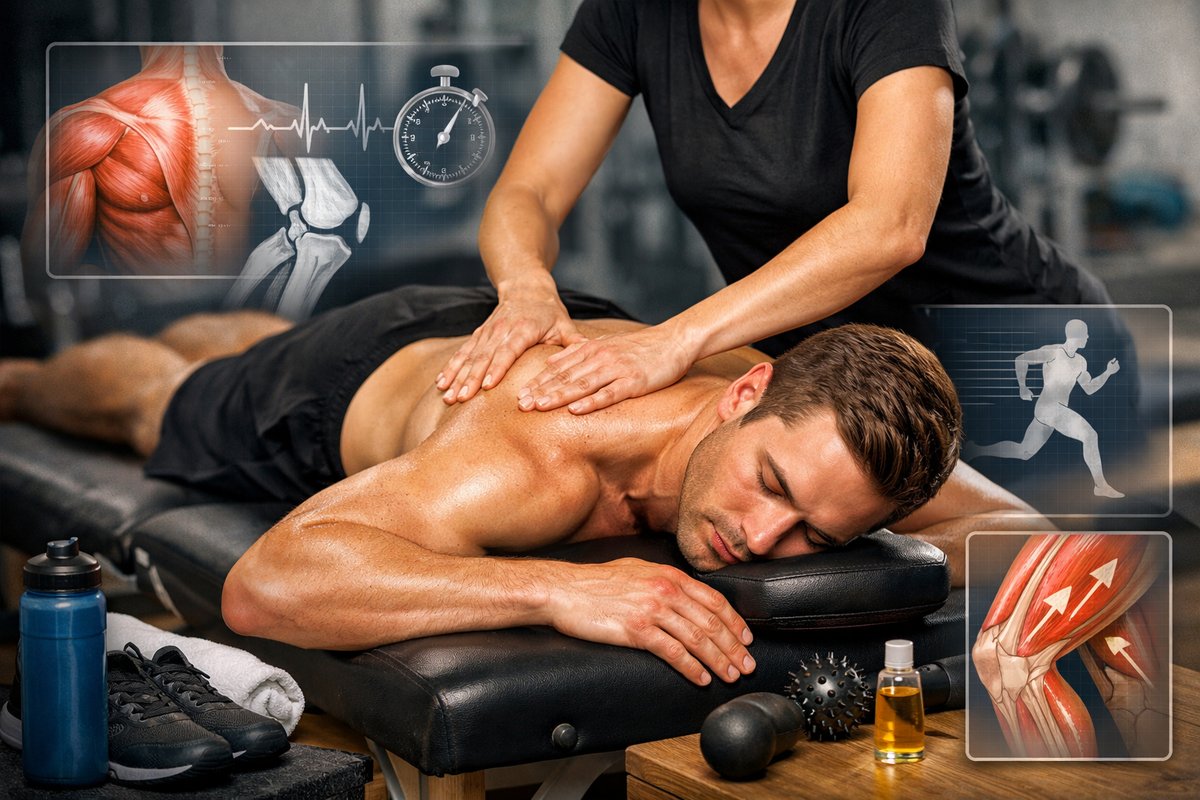

Why Sports Massage Matters for Everyday Well-Being
In our busy lives-where workouts, long workdays, and stress often pile up-muscle aches and tightness can become constant companions. Sports massage isn’t reserved for elite athletes; it’s an accessible tool to support muscle health, relieve tension, and help you move freely again. By focusing on targeted techniques such as deep kneading, compression, and stretching, sports massage helps break up knots, boost circulation, and calm the nervous system. Over time, these benefits can improve posture, reduce soreness, and protect against small injuries before they grow into bigger setbacks.
The Science Behind Targeted Muscle Work
When muscles contract during exercise, tiny microtears form in the fibers. This process is part of natural muscle adaptation, but without proper care, buildup of metabolic byproducts and scar tissue can slow recovery. Sports massage applies controlled pressure to these tight spots, promoting blood flow that delivers oxygen and nutrients to damaged tissue. Research in rehabilitation science shows that massage stimulates the lymphatic system, helping to clear waste products like lactic acid more quickly. Enhanced circulation also brings heat to muscle layers, increasing elasticity and making fibers more pliable for improved range of motion.
Key Benefits of Sports Massage for Recovery
Stress Relief and Nervous System Reset
A hands-on session doesn’t only work on muscles. By engaging pressure receptors in the skin and connective tissues, massage activates the parasympathetic nervous system. This “rest and digest” response lowers cortisol levels and reduces heart rate, creating a state of calm in the mind and body. Many athletes report clearer thinking and improved sleep quality after regular massage, hallmarks of reduced overall stress.
Muscle Tension Release and Flexibility
Those stubborn knots-known as trigger points-often lurk in areas of overuse like shoulders, calves, and lower back. Sports massage techniques such as cross-fiber friction and myofascial release gently coax these tight spots to relax. Over time, tissue stiffness diminishes and muscles can lengthen more easily. Improved flexibility not only aids in lifting heavier weights or hitting a new personal best-it also protects joints from undue strain.
Faster Recovery and Injury Prevention
Scheduling massage sessions strategically-either immediately after a tough workout or as a standalone treatment-can accelerate healing. A 2018 study in the Journal of Athletic Enhancement found that regular massage reduced markers of muscle damage and perceived soreness by nearly 30 percent compared to rest alone. By keeping tissues supple and supporting balanced muscle alignment, sports massage helps reduce the risk of strains, tendonitis, and other common overuse injuries.
Enhanced Performance Readiness
Even if you’re not chasing podium finishes, a body free of nagging aches performs daily tasks more efficiently-whether it’s lifting groceries, tackling yard work, or negotiating a HIIT class. Sports massage can be used as a pre-event preparation tool, warming up the muscles and priming neural pathways for smoother, more coordinated movement. That sense of readiness often translates into more confidence and a stronger mind-body connection.
Practical Tips You Can Try Today
Self-Massage with a Foam Roller
A lightweight, textured foam roller can mimic many of the benefits of hands-on work by applying pressure along muscle groups. Try rolling slowly over your hamstrings, IT bands, and calves for 30 to 60 seconds per area. Focus on tender spots, pausing as pressure builds and breathing deeply to invite softening of tight fibers.
Targeted Release with a Massage Ball
For small muscles around the shoulder blades or arch of the foot, a massage ball provides pinpoint relief. Place it between your body and a wall or lie on it gently, shifting your weight until you locate a trigger point. Hold for 20 to 30 seconds, then move slightly to find the next spot.
Hydration and Gentle Stretching
Drinking water after a session supports circulation and helps flush out metabolic waste from soft tissues. Pair hydration with gentle static stretches-holding each stretch for 15 to 20 seconds-to maintain the length you’ve gained from massage work.
Deep Breathing and Mindful Awareness
Integrate the calming aspect of massage by practicing slow, diaphragmatic breathing. As you inhale, imagine fresh blood flooding tight muscles; as you exhale, let go of tension held in your shoulders, neck, or lower back. This simple ritual can reinforce body awareness and prolong the relaxed state initiated by sports massage.
Safety Considerations and When to Seek Professional Care
While sports massage is generally safe, it’s important to honor your body’s signals. Avoid deep or aggressive pressure on bruised or inflamed areas. Individuals with certain health conditions-such as deep vein thrombosis, uncontrolled high blood pressure, or recent fractures-should consult a qualified therapist or healthcare provider before booking a session. If you experience sharp pain, dizziness, or unusual swelling during self-massage, pause immediately and seek guidance from a professional.
When selecting a massage practitioner, look for credentials such as licensure, certification in sports or orthopedic massage, and positive reviews from clients with similar goals. A skilled therapist will ask about your exercise routine, any discomfort you’re experiencing, and treatment preferences before customizing techniques to your needs.
A Path to Consistent Self-Care and Resilience
Integrating sports massage into your routine-whether that means monthly hands-on sessions, weekly self-care with tools, or daily conscious breathing-can pay dividends in mobility, comfort, and overall health. By embracing targeted muscle work alongside good hydration, balanced movement, and mindful rest, you build resilience against stress and strain. Start small, notice what changes in your body, and adjust your approach based on how you feel. Over time, this supportive practice becomes more than relief; it becomes a foundation for sustained wellness and freedom of movement.