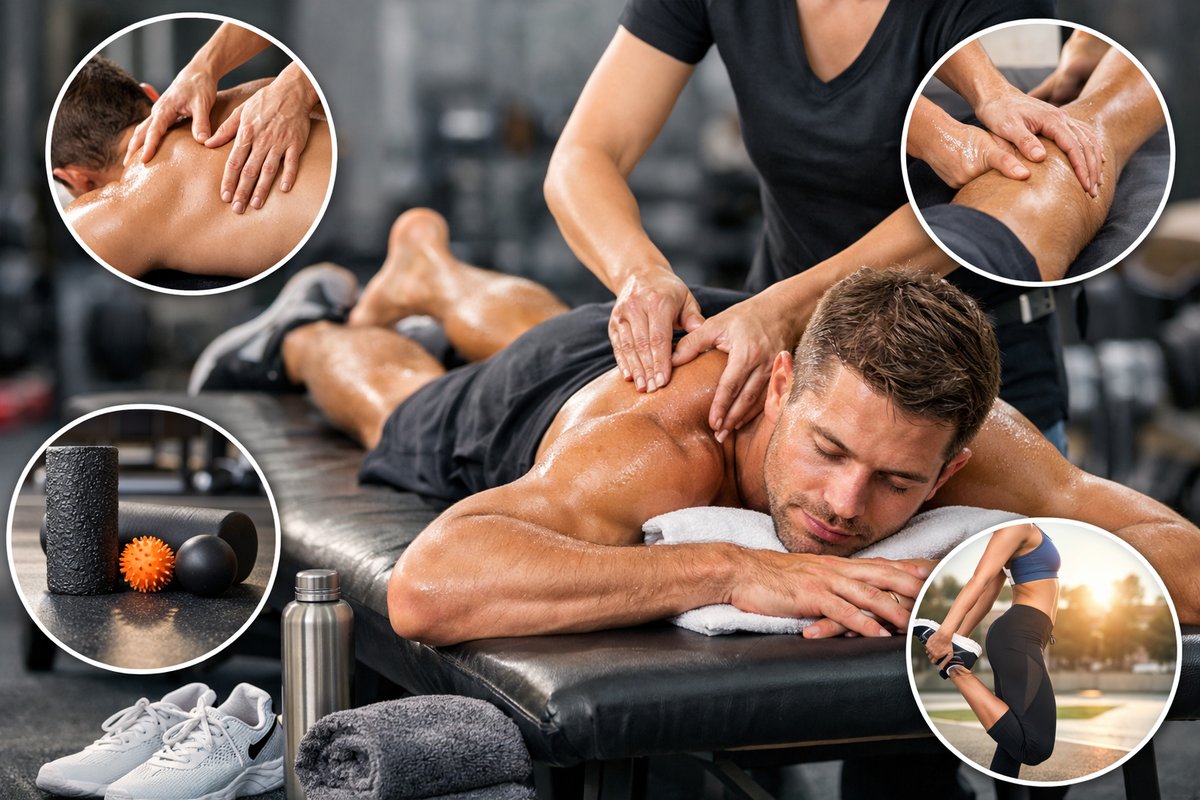

A Warm Welcome to Recovery
Recovering well after a hard workout isn’t just about resting on the couch-it’s about gentle, targeted care that helps your body reset. Sports massage combines focused pressure, rhythmic strokes, and stretching to soothe tired muscles, promote blood flow, and calm the nervous system. Whether you’re an occasional runner, weekend warrior, or dedicated gym-goer, exploring sports massage can add a new dimension to your self-care routine.
How Sports Massage Speeds Muscle Repair
When you challenge muscles with repetitive movement or heavy loads, tiny tears appear in muscle fibers. This process-called microtrauma-is a normal part of building strength, but it can bring stiffness and achiness known as delayed onset muscle soreness (DOMS). Research published in a leading sports medicine journal shows that a 20-30 minute massage session within 48 hours of intense exercise can reduce soreness by up to 30 percent and shorten recovery time.
Gently kneading tissue helps to flush out metabolic waste products such as lactic acid, which build up during strenuous activity. At the same time, massage promotes fresh blood flow, delivering oxygen and nutrients that fuel repair. By integrating sports massage into your post-exercise protocol, you create an environment where muscles heal faster and feel more pliable.
Calming Inflammation and Reducing Soreness
Inflammation is the body’s natural response to repair muscle damage, but when unchecked it can cause prolonged discomfort. Sports massage applies light to moderate pressure along muscle fibers and around joints. This approach triggers the parasympathetic nervous system, which signals your body to slow down and initiate healing processes.
Studies suggest that massage stimulates release of anti-inflammatory molecules and lowers levels of stress hormones like cortisol. You may notice this as a feeling of warmth, a soft release of tension, and a gentle easing of throbbing areas. By addressing both the physical and nervous-system sides of inflammation, sports massage offers a balanced path toward relief without relying on medications or strenuous stretching.
Enhancing Circulation and Flexibility
Beyond easing soreness, sports massage encourages circulation in muscles and connective tissues. Increased blood flow not only supports tissue repair but also helps maintain healthy range of motion. A systematic review in the Journal of Athletic Training notes that regular massage can improve flexibility by up to 10 percent over a six-week period.
During a session, your therapist may use techniques like effleurage (long, gliding strokes) to warm tissue, followed by petrissage (kneading) to break up adhesions. These methods gently stretch fascia-the web of connective tissue that surrounds muscles-helping you move more freely and reduce risk of strain in your next workout. A subtle sense of fluidity in your limbs and joints often remains long after the session ends.
Practical Tips for a Safe, Effective Session
Whether you book with a licensed therapist or practice gentle self-massage at home, keep these guidelines in mind:
• Communicate openly: Let your therapist know if pressure feels too deep or light. A comfortable session is always more beneficial.
• Focus on timing: Aim for massage within two days of intense training to maximize anti-soreness benefits.
• Warm up first: Five minutes of light movement or a warm shower can increase tissue pliability and help you relax.
• Hydrate afterward: Drinking water supports circulation and helps flush out metabolic byproducts.
• Use tools wisely: Foam rollers and massage balls can extend your therapist’s work at home, but go slow. Roll in one direction, pause on tender spots for 20-30 seconds, then continue.
A Final Invitation to Mindful Self-Care
Integrating sports massage into your wellness routine is an invitation to listen more closely to your body’s needs. By pairing evidence-based techniques with sensory awareness-notice the warmth of your skin, the gentle stretch in a tender muscle, the soft rhythm of your breath-you cultivate both physical recovery and mental calm.
Next time you feel stiffness or post-workout fatigue, consider a focused massage session. With each stroke and stretch, you honor the work your body has put in and lay a stronger foundation for the challenges ahead.