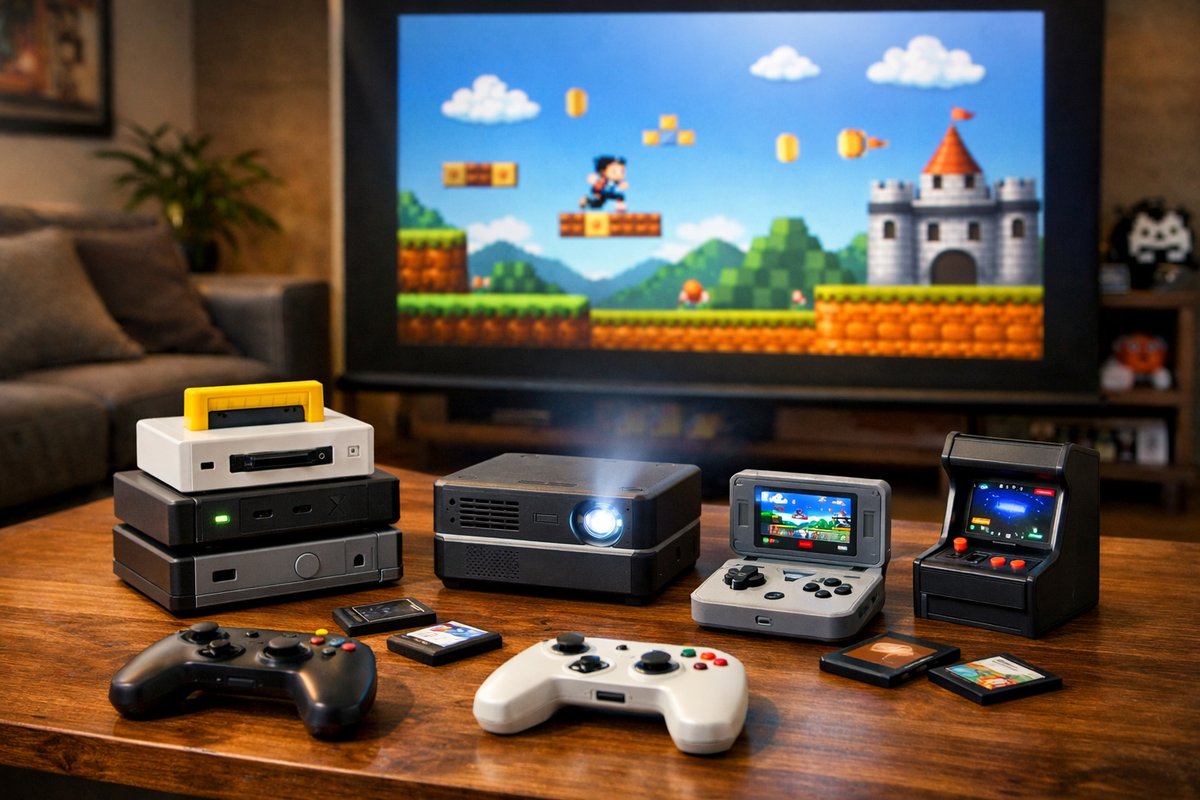

Once reserved for retro enthusiasts and DIY tinkerers, micro-consoles are now breaking into the mainstream. These pint-sized devices pack a vast library of classic titles while offering snap-on accessories, wireless compatibility, and streaming options. As gamers crave fresh ways to play without sacrificing portability or style, the modular micro-console renaissance is gaining momentum.
Unlike traditional home consoles that anchor players to a single setup, modular micro-consoles embrace a pick-and-choose ethos. Core compute units are small enough to fit in a jacket pocket yet powerful enough to emulate arcade cabinets, handheld classics, and even indie hits. A range of detachable components-from tactile mini-controllers to clip-on battery packs-lets each player shape a personalized gaming rig in minutes. This plug-and-play approach appeals to nostalgia hunters and tech-savvy gamers alike, fueling a wave of online tutorials and DIY hardware communities.
At the heart of this trend is the desire for adaptability. One weekend, a micro-console can host a couch-cooperative beat ’em up via local Wi-Fi; the next, it can beam RPG cutscenes onto a blank wall using a pocket-sized projector. Manufacturers are integrating HDMI-over-USB adapters and wireless display protocols so that the same console can pair with a large-format TV, a tablet screen, or even a portable projector. For compact living situations or impromptu game nights on a friend’s balcony, this flexibility is a game-changer.
Beyond simple portability, immersive lighting and audio add another layer of modular magic. Programmable LED strips, triggered by in-game events, turn any room into an ambient arcade cave. Off-the-shelf light kits attach magnetically to the console housing or controller grips, syncing in real-time with explosions, power-ups, and boss battles. Gamers report that the dynamic glowiness heightens reaction times and deepens emotional engagement, especially during late-night sessions.
Soundscapes are also evolving. Micro-consoles now support low-latency Bluetooth connections to compact gaming headsets and wireless earbuds. Some high-resolution audio dongles even offer zero-lag channels for professional-grade eSports practice. By decoupling sound hardware from bulky consoles, players can craft a spatial audio bubble around their ears, immersing them in retro chiptunes or cutting-edge synthwave OSTs. Mobile gaming has never sounded this crisp.
Community features are a cornerstone of the micro-console movement. Many devices ship with built-in peer-to-peer matchmaking for mini-tournaments. A quick firmware download can unlock chat overlays, in-game achievements that map to online leaderboards, and cross-device save transfers. This makes it easy to start a pickup game in a coffee shop or bond over high-score races at a park bench. Hybrid LAN-and-cloud play is no longer confined to bulky rigs; it fits in the palm of your hand.
Customization extends to the software library as well. Open-source emulation cores, regularly updated by volunteer developers, ensure wide compatibility with vintage arcade boards and console cartridges. Official marketplaces coexist with community repositories, letting players purchase authorized indie titles or sample experimental demos from budding studios. The result is a constantly evolving catalog that feels both curated and limitless.
In practical terms, micro-consoles are more sustainable than their larger counterparts. Their low-power system-on-chip designs can run off USB C battery packs for days, slashing electricity usage. Detachable modules reduce e-waste by letting users replace only the failing component rather than tossing the entire system. Some brands even offer hardware recycling programs, rewarding customers with discount credits for returning old parts.
Early adopters say that the modular approach has rekindled the social spark of arcade culture. Pop-up game bars are sprouting urban chapters where micro-consoles are mounted on communal slat walls. Players scan a QR code to borrow a controller, race classic racers head-to-head, then return the gear before moving on to table tennis or puzzle-board rooms. It’s a low-commitment way to meet fellow enthusiasts and discover fresh playstyles without investing in expensive hardware.
Looking ahead, industry insiders predict that micro-consoles will integrate cloud-streaming services directly into the hardware, blurring the lines between local emulation and remote gaming. Imagine a device that boots instantly into a high-end PC stream when docked, then reverts to its energy-efficient emulation core once undocked. This seamless handoff could unlock triple-A titles on the go, without tethering players to local network speeds or bulky docks.
For now, the modular micro-console wave is proving that you don’t need a monolithic system to enjoy a state-of-the-art gaming experience. By embracing portability, customization, and community-driven innovation, these pocket arcades are redefining home entertainment-and reminding us that play can be both serious and delightfully flexible.