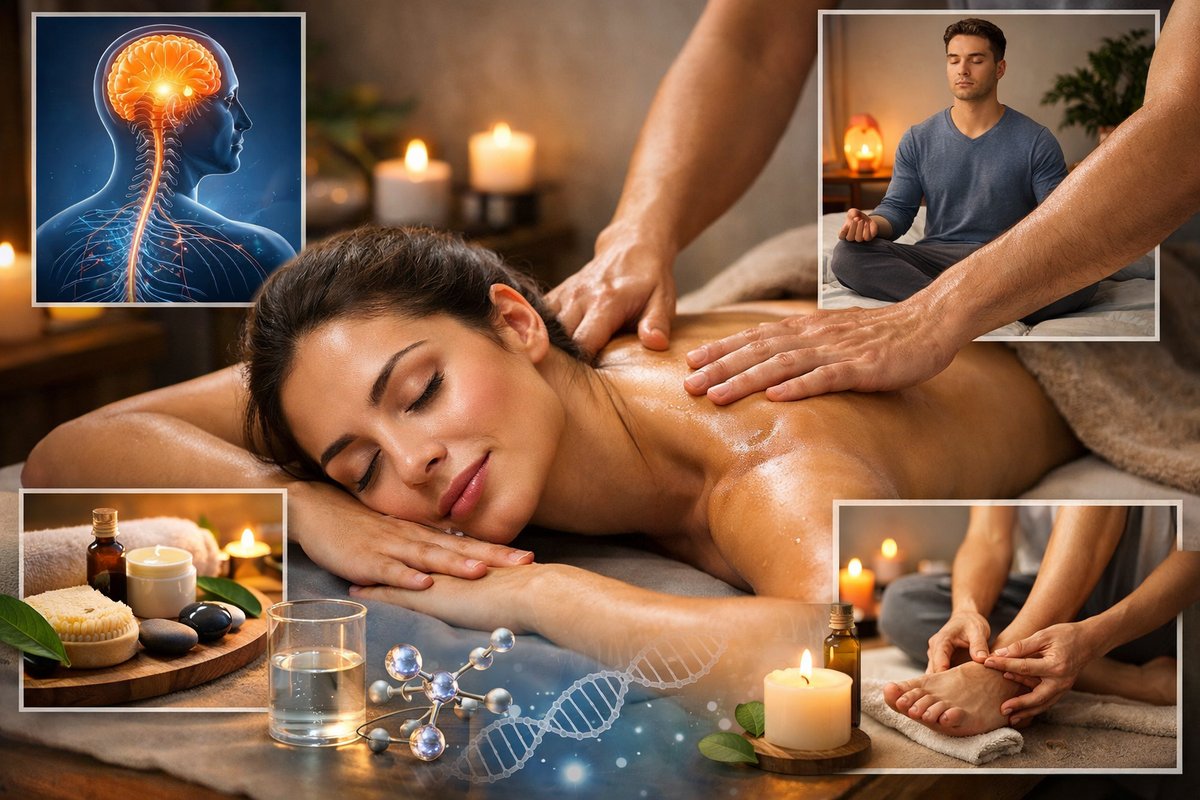

Every day, life’s demands can overload our nervous systems. Whether it’s deadlines at work, family commitments, or an endless to-do list, chronic stress can leave muscles tight, sleep restless, and moods shaky. Massage therapy offers a grounded, hands-on way to ease that tension. By engaging the body’s natural relaxation response, even a brief session can help you feel more balanced, clear-headed, and ready to face whatever comes next.
The Science of Stress and the Body
Stress isn’t just a feeling in your head; it’s a full-body reaction. When you encounter a challenge, the sympathetic branch of your autonomic nervous system triggers the familiar “fight-or-flight” response. Heart rate climbs, muscles tense, and stress hormones like cortisol surge. Over time, this heightened state can contribute to headaches, inflammation, and fatigue.
Studies in journals such as the International Journal of Neuroscience show that manual touch-like that used in massage-helps shift the balance toward the parasympathetic system. Often called the “rest-and-digest” mode, this state encourages slower breathing, lowered heart rate, and better circulation. In one review of clinical trials, participants who received regular massage experienced significant reductions in cortisol levels, alongside boosts in mood-lifting chemicals such as serotonin and dopamine.
How Massage Therapy Engages the Relaxation Response
A skilled massage therapist uses a combination of strokes-gliding effleurage, deeper petrissage, and soothing friction-to stimulate sensory receptors in the skin and connective tissues. When these mechanoreceptors send signals to the brain, they dampen the output of stress centers and promote a sense of calm. At the same time, improved blood flow helps flush out metabolic byproducts that can build up in tense muscles.
The gentle pressure of massage also encourages the release of endorphins, the body’s natural pain-relievers and mood enhancers. As muscle fibers soften, nerve endings settle, and you may notice a feeling of lightness or even mild euphoria. That combination of physical relief and mental ease is why massage often feels so restorative.
Practical Tips for a Restorative Massage Session
To get the most out of your next appointment, try these evidence-informed suggestions:
– Create a calm environment. Whether you’re in a professional clinic or at home, keep lighting soft and eliminate distractions. Consider a gentle playlist of ambient sounds or soft instrumental music.
– Communicate clearly. Let your therapist know about any areas of tension, previous injuries, or medical concerns. This helps tailor pressure and techniques to your needs.
– Focus on breathing. Slow, diaphragmatic breaths deepen the relaxation response. Inhale for a count of four, exhale for a count of six, and feel your shoulders soften with each out-breath.
– Hydrate afterward. Drinking water supports circulation and helps clear away any released toxins. Aim for at least one full glass within an hour of your session.
– Explore self-massage tools. A handheld muscle roller stick or foam roller can maintain benefits between appointments. Gentle self-pressure on areas like the calves, neck, and forearms can be surprisingly effective.
Safety and Comfort Considerations
While massage is safe for most people, certain precautions keep it comfortable and risk-free:
– Avoid deep pressure on inflamed or injured areas. If you notice sharp pain or numbness, ask the therapist to ease up or shift focus.
– Go at your own pace. If a particular technique feels too intense, ask for lighter pressure. Your comfort matters more than any “ideal” depth of touch.
– Choose a qualified professional. Look for therapists with recognized credentials and clear hygiene practices. A reputable practitioner will take a thorough health history before beginning.
– Beware of overly invasive claims. Massage supports well-being and stress relief; it’s not a cure-all for medical conditions. Always follow your physician’s guidance for specific health issues.
Integrating Mindful Touch Into Daily Life
Beyond formal sessions, small self-care rituals can weave the benefits of massage into your routine:
– Morning shoulder rolls. Stand or sit tall, lift your shoulders up and back, then roll them down. Repeat five times to release neck and upper-back tension.
– Hand and wrist breaks. If you type all day, press each finger and thumb gently in a circular motion. Roll your wrists clockwise and counterclockwise for thirty seconds each.
– Self-soothing foot rub. While seated, place one foot across the opposite thigh. Use your thumbs to knead the arch and base of the heel, areas prone to holding stress.
– Short breathing pause. Close your eyes, rest your hands on your ribcage, and inhale until you feel your ribs expand. Exhale slowly, noticing the gentle movement under your palms.
These mini massage moments can recalibrate your nervous system, making stress easier to manage during busy days.
Embrace Calm Through Mindful Touch
Massage therapy isn’t just a luxury-it’s a practical, body-centered tool for everyday wellness. By stimulating the body’s natural relaxation response, reducing cortisol, and easing muscle tension, it offers a grounded path to greater resilience. Whether you see a professional therapist or explore self-massage techniques at home, remember that every moment of mindful touch contributes to a more balanced, calm life. Take a deep breath, honor your body’s signals, and let the power of simple, caring contact guide you toward lasting stress relief.