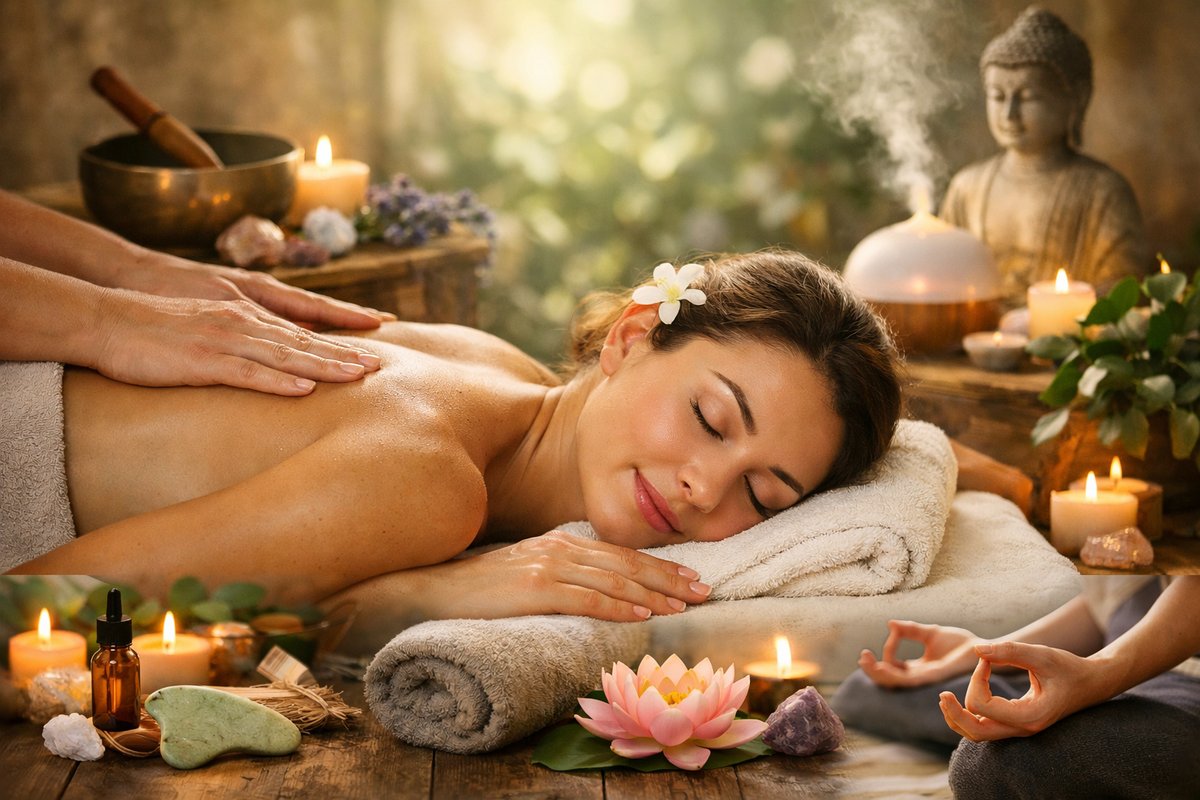

Why Wholistic Massage Matters
Wholistic massage takes a broad view of well-being, recognizing that our physical comfort, emotional state, and lifestyle choices are intricately connected. Rather than focusing only on sore muscles, this approach encourages us to observe how tension in the shoulders may echo worries from our day or how tightness in the neck might signal long stretches at a desk. By tuning into the entire self, wholistic massage supports relaxation, improves circulation, and helps the nervous system shift out of its “fight or flight” pattern.
Grounding Through Gentle Touch
Thoughtful, intentional touch can signal safety to the body’s sensory system. When gentle pressure flows across the skin-whether in long strokes along the back or soft kneading of the forearms-sensory receptors relay messages that calm the mind and reduce the production of stress hormones. Research in massage therapy journals has highlighted reductions in cortisol and increases in feel-good neurotransmitters after a 30-minute session. At home, simply running your hands slowly over areas that feel tight can be an accessible way to tap into these soothing benefits.
Mindful Breathing and Movement
Pairing touch with mindful breathing deepens the wholistic effect. As you exhale, imagine releasing tension down through your fingertips or toes. Inhale to invite a sense of calm into your chest and belly. Some professionals recommend a rhythm of four counts in, six counts out. This pattern encourages fuller exhalations, which activates the parasympathetic system-your body’s built-in relaxation switch.
Adding gentle movement, such as rolling the head from side to side or drawing small circles with the hips, can help maintain fluidity in the joints. These combined actions support a freer flow of blood and lymphatic fluid, aiding both detoxification and nutrient delivery to tissues.
Practical Self-Massage Techniques
1. Neck and Shoulders: Sit in a comfortable chair with feet flat on the floor. Using fingertips or thumbs, apply gentle circular pressure along the base of the skull, then work outward across the tops of the shoulders. Spend 1-2 minutes on each side, adjusting pressure as feels best.
2. Forearms and Wrists: Especially helpful for those who type or write all day, forearm massage can ease wrist strain. Rest one elbow on a tabletop and support the forearm with the opposite hand. Glide the fingers from the elbow toward the wrist, then use thumbs to press along both sides of the forearm. Finish by gently stretching each finger back.
3. Feet and Ankles: After a long day on your feet, sit with one ankle crossed over the opposite knee. Use your thumbs to press into the arch, then knead the heel and ball of the foot. Rotate the ankle in small circles to release built-up tightness in the joint.
Creating a Calm Environment
Setting the stage can amplify the benefits of your self-massage practice. Keep your space tidy, dim the lights slightly, and choose soothing instrumental music or nature sounds. A neutral yet pleasant scent-like lavender or chamomile from an essential oil blend-can enhance relaxation without overwhelming the senses. A soft blanket or cushioned mat adds comfort, while a glass of room-temperature water nearby encourages hydration during or after your session.
Attention to these simple details helps your brain associate touch with comfort, making it easier to switch into a relaxed state whenever you repeat the routine.
Nurturing Mind-Body Awareness
Wholistic massage isn’t just about kneading muscles-it’s an invitation to listen deeply. Notice how your hands feel against your skin, whether certain areas send a brief twinge, or where warmth naturally spreads. This gentle attention invites you to recognize where stress accumulates and offers clues on how lifestyle factors-like posture, screen habits, or emotional tension-may be contributing.
As you practice regularly, you may begin to sense early signs of tension before they escalate. That awareness becomes a powerful self-care tool, guiding you to pause, breathe, and address discomfort before it disrupts your day.
Embracing Ongoing Self-Care
In a busy world, carving out even five minutes for wholistic massage can create a meaningful pause. Over time, these micro-breaks add up, offering cumulative benefits for stress management, better sleep, and a more resilient mindset. Celebrate small victories-a quieter mind, more open shoulders, or smoother breath-and build your practice gently, adapting to what feels most supportive on any given day.
A Gentle Invitation Forward
Your body communicates constantly through sensations, posture, and energy. Wholistic massage serves as a bridge between those signals and conscious caring action. By combining mindful touch, breath, and attention to daily routines, you can cultivate ongoing balance and a deeper sense of well-being. Allow yourself the kindness of regular check-ins, and let each session remind you that the art of caring for yourself is an essential practice, not an indulgence.