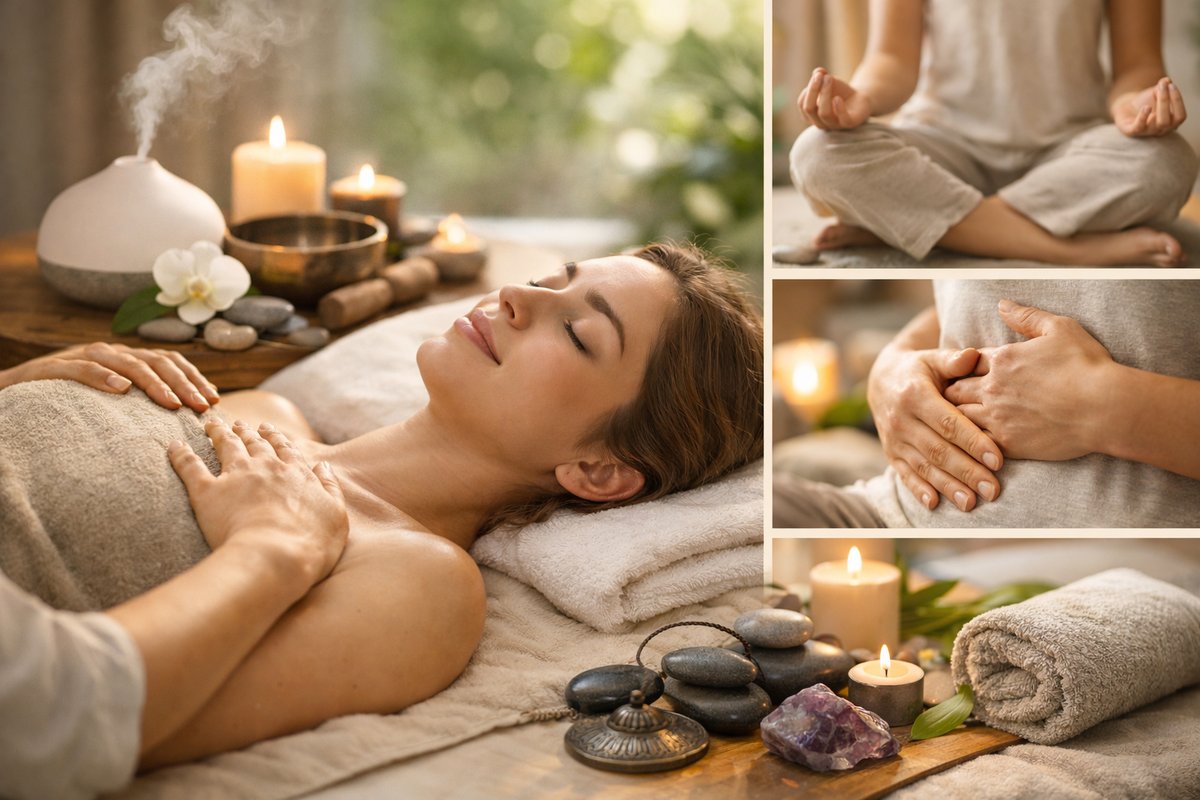

From the moment our shoulders climb toward our ears or our minds drift into the static buzz of the day, it’s easy to feel disconnected from the body that carries us. Wholistic massage offers an invitation: to pause, to breathe, and to rediscover a balanced connection between physical release, mental clarity, and emotional ease. Unlike a strictly muscular or symptom-focused treatment, wholistic massage embraces the whole person-body, mind, and daily rhythms-guiding each individual toward greater harmony and ongoing self-care.
Touch as a Pathway to Balance
When practiced with intention, touch can serve as a powerful anchor. A gentle hand gliding along the trapezius or the arch of the foot doesn’t just knead tissue; it conveys a wordless message that the body is heard and honored. During a wholistic session, a therapist may alternate between firmer strokes to release tight muscles and featherlight glides to awaken sensory awareness. That interplay between pressure and gentleness helps the nervous system settle into a state of rest, known as the parasympathetic response, which supports digestive function, lowers heart rate, and eases cortisol levels.
In your own space, you can create a similar environment. Choose a quiet corner, dim the lights or draw soft curtains, and use a comfortable surface-a yoga mat layered with a folded blanket works well. Begin with long, gentle strokes along your arms or legs, moving always toward the heart to encourage circulation. Notice the subtle shifts in warmth, tension, or sensitivity under your hands. Even two minutes of mindful stroking can spark a resonant sense of ease.
Mindful Breathing and Gentle Movement
Wholistic massage flows smoothly into breath awareness and light stretching. Before you begin any self-massage, take a few moments to settle into a rhythm of steady inhales and exhales. Let the belly rise with each inhale and soften with each exhale. This simple act invites oxygen into the tissues and signals the mind to slow down.
Pairing breath with movement amplifies the benefits. For example, when massaging the neck, gently turn your chin toward one shoulder on the inhale, pause, then return to center on the exhale. Coordinate shoulder rolls, cat-cow stretches, or wrist circles with the breath-this rhythmic synergy unlocks stiffness and helps you track how each area responds. Over time, inhalations can guide you toward areas that need more attention, while exhalations offer a soft reset.
Simple Self-Care Techniques for Everyday Use
Integrating wholistic elements into daily life doesn’t require extra time or complex rituals. Here are a few accessible practices you can weave into morning or evening routines:
- Feet Awakening Ritual: Sit on a chair, place one foot over the opposite thigh, and use thumbs to apply gentle pressure along the sole. Move from the heel to the toes in slow, deliberate strokes, then switch sides. This practice can ground your energy before a busy day or release tension at day’s end.
- Hand-to-Heart Pause: Rest one palm over your heart and the other over your solar plexus. With eyes closed, breathe into each area for ten breaths. This simple gesture invites emotional balance and reminds you to check in with how you’re feeling.
- Shoulder Release Shake: Stand or sit with feet hip-width apart. Inhale as you lift shoulders toward the ears, exhale as you let them drop and shake them gently. Repeat five times to dissolve stiffness accumulated from screen work or long drives.
Supporting Evidence and Best Practices
Research on integrative massage approaches highlights measurable improvements in stress markers, sleep quality, and overall mood. A study published in a peer-reviewed massage therapy journal found that participants receiving a combination of Swedish strokes, myofascial release, and guided breathing reported significantly lower anxiety scores within four weeks. Another clinical trial showed that regular self-massage of the lower limbs reduced perceived muscle soreness and improved subjective wellbeing in individuals with desk-bound lifestyles.
When practicing self-massage or working with a therapist, keep these guidelines in mind:
- Avoid direct pressure over bruises, open wounds, or areas of acute inflammation.
- Use a nourishing, unscented oil or lotion to minimize friction and protect sensitive skin.
- Adjust pressure according to your comfort level-discomfort is not the same as beneficial release, so back off if you feel sharp or persistent pain.
- Hydrate well before and after any session to support tissue health and waste removal.
Everyday Ritual for Body Connection
To foster an ongoing relationship with your body, try a brief evening ritual combining elements of wholistic massage. After a warm shower, apply a small amount of oil to your hands and begin with gentle effleurage along the forearms and calves. Incorporate breath-linked stretches, then place your hands on the torso for support and deep breathing. Finish by resting your palms over your eyes (a technique sometimes called palming) and simply observe the ebb and flow of breath for ten breaths. Over time, these moments become a trusted practice-a safe pause that reminds you of your innate ability to soothe and reset.
Wholistic massage isn’t a luxury reserved for spas; it is a versatile toolkit for nurturing harmony across all facets of daily life. By blending thoughtful touch, conscious breathing, and light movement, you can cultivate a richer dialogue with your body and mind-one that radiates into better sleep, lower stress, and a deeper appreciation for the subtle wisdom within.
Embrace these practices with kindness and patience. Like any form of self-care, wholistic massage invites experimentation. Notice what feels grounding, what lifts your spirits, and what quiet revelations arise when you pause to listen. The journey toward whole-person wellbeing begins with a single breath and a single stroke of the hand-a tangible reminder that you are worth this kind, caring attention.