
A good night’s rest is as crucial to vitality as balanced nutrition. Yet busy days, stress, and persistent muscle tension can leave the body stuck in high gear long after the last light is out. Gentle massage therapy offers a proven path to quiet the mind, soothe aching tissues, and invite deeper, more restorative sleep. In this article, we explore how targeted bodywork calms the nervous system, releases tension, and sets the stage for peaceful nights. You’ll find practical techniques to try at home, guidelines for choosing the right approach, and tips for creating a serene bedtime ritual.
How Massage Calms the Nervous System
Massage stimulates pressure receptors beneath the skin, triggering the parasympathetic response commonly called “rest and digest.” Research shows that light to moderate touch can lower levels of cortisol, the stress hormone linked to sleep disruption and anxiety. In one controlled study, participants who received full-body massage sessions twice a week for four weeks reported a significant drop in heart rate and perceived stress levels. By activating the vagus nerve through gentle strokes along the back and neck, massage therapy encourages the body to shift from a fight-or-flight state into a more relaxed mode conducive to falling-and staying-asleep.
Releasing Muscle Tension for Comfort
Muscle knots, or myofascial trigger points, often build up after long hours at a desk or following strenuous activity. These knots can send pain signals that keep the body on edge, even after the main task is done. Techniques such as effleurage (a gliding stroke), petrissage (kneading), and gentle stretching help elongate muscle fibers, improve flexibility, and break up localized tightness. A study in a sports science journal found that athletes who integrated targeted massage into their recovery routine experienced reduced muscle soreness and improved sleep quality over a two-week period. Easing these hotspots of tension can make it easier to find a comfortable sleeping position and drift off without physical discomfort.
Enhancing Circulation and Tissue Repair
Improved blood flow is another key benefit of massage therapy. As circulation increases, oxygen and nutrients reach muscle tissues more efficiently, while metabolic waste products are carried away through the lymphatic system. This exchange supports natural repair processes that continue into the night. One clinical review noted that enhanced lymphatic drainage can lessen fluid retention and inflammation, both of which can interfere with quality rest. Whether you choose a light Swedish massage or a deeper myofascial release, the act of moving soft tissues encourages a healthy cycle of repair that primes the body for restorative slumber.
Practical Techniques to Try Tonight
You don’t need professional training to harness basic massage benefits before bed. Start with your hands and feet, where tension can linger unnoticed. Gently squeeze and roll each finger, then switch to the palm and arch of the foot in small, circular motions. Move on to the neck and shoulders: use your fingertips to trace gentle circles along the base of the skull and down the trapezius muscles. At each spot, pause on areas that feel tight for 10 to 20 seconds. If you have simple tools at home-a foam roller, a massage ball, or even a rolled towel-use them under the lower back or calves, applying your body weight to control pressure. Finish with a few minutes of light self-massage across the chest and abdomen, always moving toward the heart to encourage lymphatic flow.
Creating a Sleep-Friendly Massage Ritual
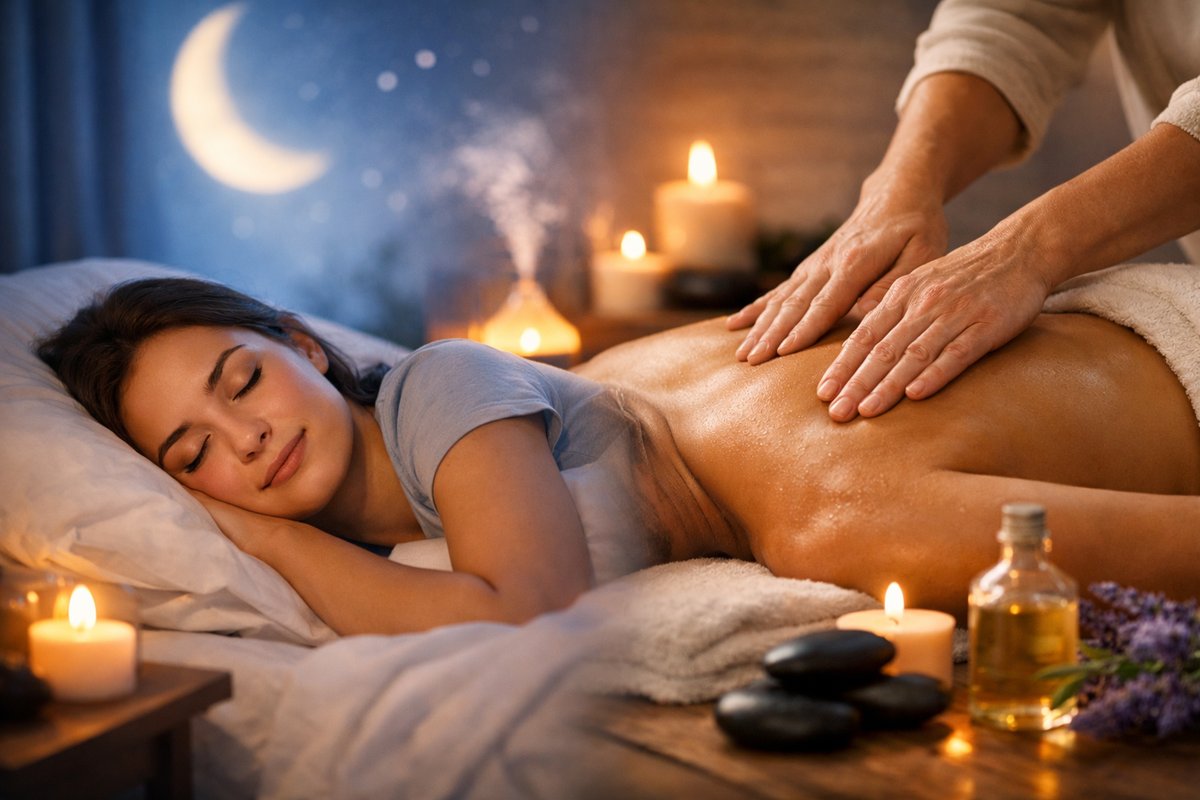
Setting the right atmosphere amplifies massage’s calming effects. Dim overhead lighting and switch to a soft bedside lamp or candle. Play low-volume background sounds-a nature soundtrack, a white noise machine, or gentle instrumental music. Consider using an essential oil diffuser with scents like lavender or chamomile, both of which research links to reduced sleep latency and fewer nighttime awakenings. Keep breathing slow and deliberate: inhale for a count of four, pause, exhale for six. This breathing pattern alone promotes relaxation, and when paired with focused touch, it can help slow the transition from daytime tension to nighttime rest.
When to Seek Professional Guidance
Home practice offers great relief, but certified massage therapists bring specialized training in anatomy, contraindications, and advanced techniques. If chronic pain, injury history, or a health condition complicates your experience-such as persistent back pain, circulation issues, or pregnancy-it’s wise to consult a licensed practitioner. They can recommend tailored approaches like deep tissue work, myofascial release, or lymphatic drainage massage based on a thorough assessment. A trained practitioner can also adjust pressure levels and positioning, ensuring you receive the fullest benefit without risking aggravation.
Gentle Reminders for Safe Practice
Even light massage can be intense if applied to sensitive or injured areas. Always communicate discomfort if working with a therapist, and in self-work, err on the side of lighter pressure when in doubt. Pay attention to areas with bruises, cuts, or acute inflammation, and avoid direct work over these spots. Stay hydrated throughout the day and especially after a massage session: water supports circulation and helps flush metabolic byproducts released during tissue manipulation. If you experience persistent pain or unusual symptoms, consider consulting a healthcare professional before continuing self-massage.
As you integrate massage into your nightly routine, observe how your body responds. Notice changes in muscle tension and mental calm as you move closer to bedtime. With mindful attention and consistent practice, massage therapy can become a comforting ritual that signals to your body it’s time to rest. Over time, these gentle touch-based habits may not only improve the immediate experience of falling asleep, but also build a sustainable pattern of deeper, more restorative rest.
By weaving together evidence-based massage techniques, sensory awareness, and a supportive environment, you set the stage for better sleep and overall wellness. Embrace this simple, nurturing practice tonight and discover how small moments of care can lead to more peaceful, restorative nights.
Restful sleep is foundational to physical and mental wellbeing. Through consistent, gentle massage and mindful environment setup, you can ease the transition into restful nights and wake up feeling more rejuvenated. Whether you choose to self-massage or partner with a professional, the key is to listen to your body, honor its signals, and cultivate a bedtime ritual that encourages relaxation. Begin tonight with a few moments of caring touch-your future well-rested self will thank you.
-
Ultimate Aromatherapy Diffuser & Essential Oil Set - Amazon.com
Change the vibe of your oil diffuser with customizable lights and four built-in timer settings. No detail has been spared to make your aromatherapy experience a ... -
Amazon.com: Aromasong Lavender Pillow Spray for Sleeping
Our lavender sleep spray for pillows is infused with natural Lavender essential oils, which create a relaxing fragrance around your bed. With its soothing ...