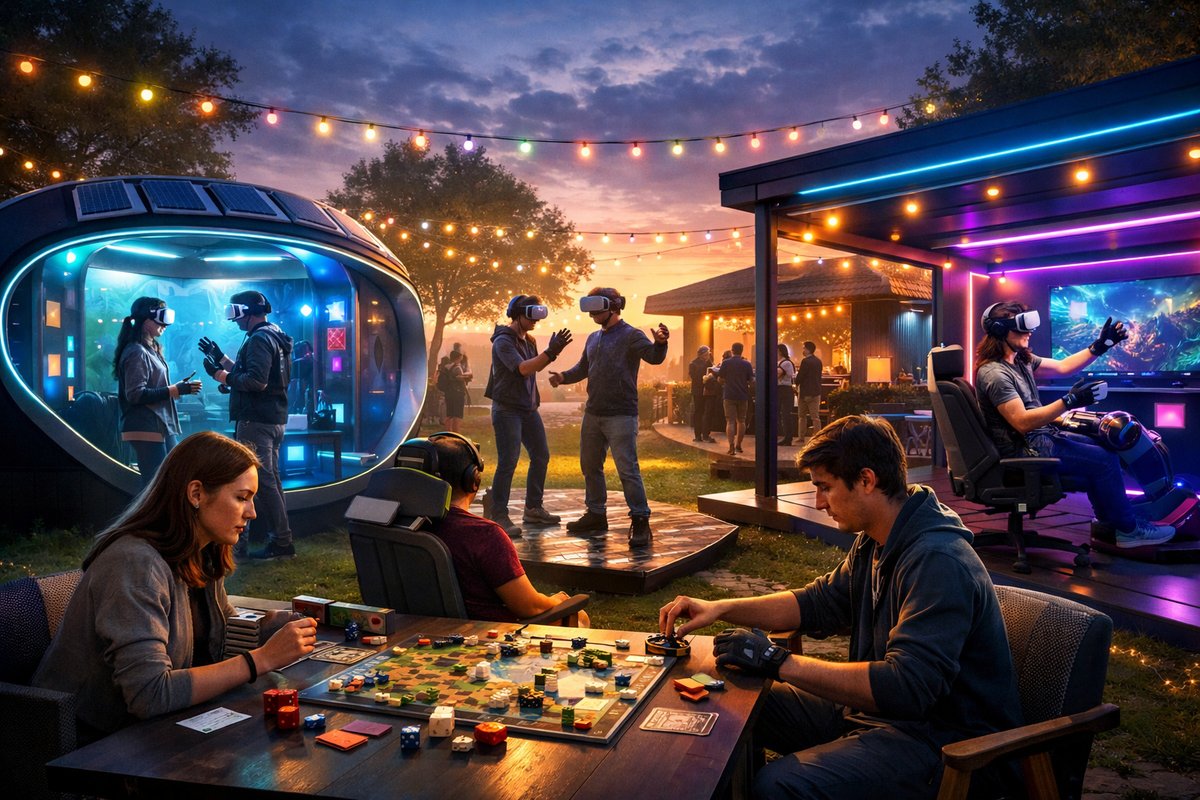

In basements, warehouses and converted storefronts around the globe, the line between couch-bound gaming and live events is dissolving. Players are flocking to gatherings that swap solo screen time for communal thrills, where everyone from tabletop strategists to competitive shooters convenes under one roof. These hybrid play spaces layer digital arenas atop physical environments, creating moments of surprise and connection-an escape that feels as tangible as it does electric.
At the heart of this movement lie micro gaming festivals: intimate, community-driven events that spotlight local creators alongside indie studios and open-source projects. Imagine a street corner transformed by folding tables laden with board games, adjacent to a cluster of high-refresh monitors tuned for fast-paced tournaments. Down the hall, a sound-dampened VR arena hums with players diving into alien worlds while their friends cheer from comfy bean bags. These pop-up festivals reject the scale of mega-conventions in favor of agility, accessibility and an ethic of sharing gear and know-how.
Sustainability is emerging as a guiding value in these grassroots scenes. Solar-powered play pods-compact shipping containers retrofitted with modular shelving, acoustic panels and ambient LED strip lights-are touring neighborhoods like mobile art installations. Each pod packs a VR headset shelf, haptic feedback gloves station and a row of cushioned stools. Powered by rooftop solar arrays or portable battery cores, they open doors to immersive play even in off-grid settings. Organizers track their carbon footprint down to the watt, mixing open-air card rounds with digital bouts in a nod to environmental stewardship.
Back at home, avid builders are rethinking the traditional game room. Modular storage shelves crammed with figurines and boxed adventures stand beside acoustic foam panels that cradle every footstep and controller click. A high-resolution projector beams cinematic cutscenes across a blackout curtain, while a surround-sound system recreates every gunshot and wizard’s spell in full fidelity. Wireless earbuds offer a personal soundscape for solo sessions, then snap back to communal speakers for group challenges. Adjustable gaming chairs with lumbar support let hosts linger for marathon streams, while minimalist LED strips trace the perimeter, shifting from cool blues during puzzle quests to fiery reds when enemy waves appear.
Innovation is also seeping into the tools players use. Haptic feedback gloves have graduated from experimental prototypes to off-the-shelf accessories that map fingertip pressure to virtual objects. Crumple a paper note in VR and feel the subtle tug beneath your thumb. Swing a digital sword and sense the weight of the blade through fingertip pulses. These gloves are often paired with wireless VR headsets, liberated from PC tethers by compact graphics backpacks or streaming bases. By shedding cables, they invite full-body movement-ducking, sidestepping and reaching feels natural again, whether you’re battling robots or reconstructing an ancient puzzle temple.
Event organizers have also embraced augmented reality for tabletop gaming. Smartphones and tablets now overlay digital miniatures, dynamic terrain and spell animations onto physical boards. Crowds gather around a projection-mapped table, watching monsters materialize from scratch and journey across hills. Players no longer need to wrestle with stacks of rulebooks; on-screen prompts guide them through complex encounters and automatically calculate line-of-sight or area-of-effect. This merger of analog and digital reignites the social spark that drove the first wave of board game cafes a decade ago.
Community has become the secret ingredient. In many of these spaces, rotating volunteers host tutorials on game mastering or build modular gaming pods for local schools and senior centers. A youth center might host an open day where elders share memories of classic arcade cabinets while teenagers demo the latest VR demos. These cross-generational exchanges spark curiosity and dampen the isolation that earned gaming a reputation as a solitary hobby. Instead, it’s emerging as a bridge between neighbours, age groups and backgrounds.
Accessibility efforts are also woven into the fabric of modern gatherings. Adaptive controllers, single-switch setups and high-contrast displays ensure that players with limited mobility or vision differences can join in. Dedicated quiet zones offer sensory-friendly experiences for neurodiverse attendees. Even the modular shelving is designed to adjust in height, allowing wheelchair users to browse game libraries and equipment racks without assistance. This inclusive ethos is reshaping how venues are designed, down to the placement of power outlets and the dimming curves of overhead lights.
As these homegrown festivals and DIY play hubs proliferate, they’re catching the eye of larger event organizers. Some eSports leagues are piloting community-curated lan parties, handing over curatorial duties and half their prize pools to local teams. Major hardware makers are sponsoring pop-up arenas that tour small towns, offering hands-on demos of the latest VR headset and mechanical gaming keyboard. Yet despite this influx of resources, the spirit of mutual aid remains intact. Crowdfunding campaigns for mobile play pods still rely on donations from players themselves, and many volunteers wear event T-shirts like badges of honour.
Looking ahead, the lines between home and venue may blur even further. Cloud-based game streaming could eliminate the need for bulky PCs in play pods, while open API standards let players customize lighting, sound and haptic feedback across devices. Imagine scanning a QR code on a tabletop board to auto-configure every nearby console, then sharing the load of a virtual dungeon in real time with a dozen strangers across town. The hybrid future of play promises to be as much about dynamic collaboration as it is about high-performance hardware.
In every corner where controllers meet community, a new generation of players is embracing the notion that gaming isn’t just an escape-it’s an invitation. An invitation to explore strange worlds, craft shared stories and learn from one another. Whether you’re rolling dice under LED glows or dueling in zero-gravity VR chambers, play has never felt more alive, more inclusive or more urgent. The next level of gaming isn’t confined to your desktop-it’s unfolding in city streets, church basements and solar-lit pods in the park. And it’s only just beginning.