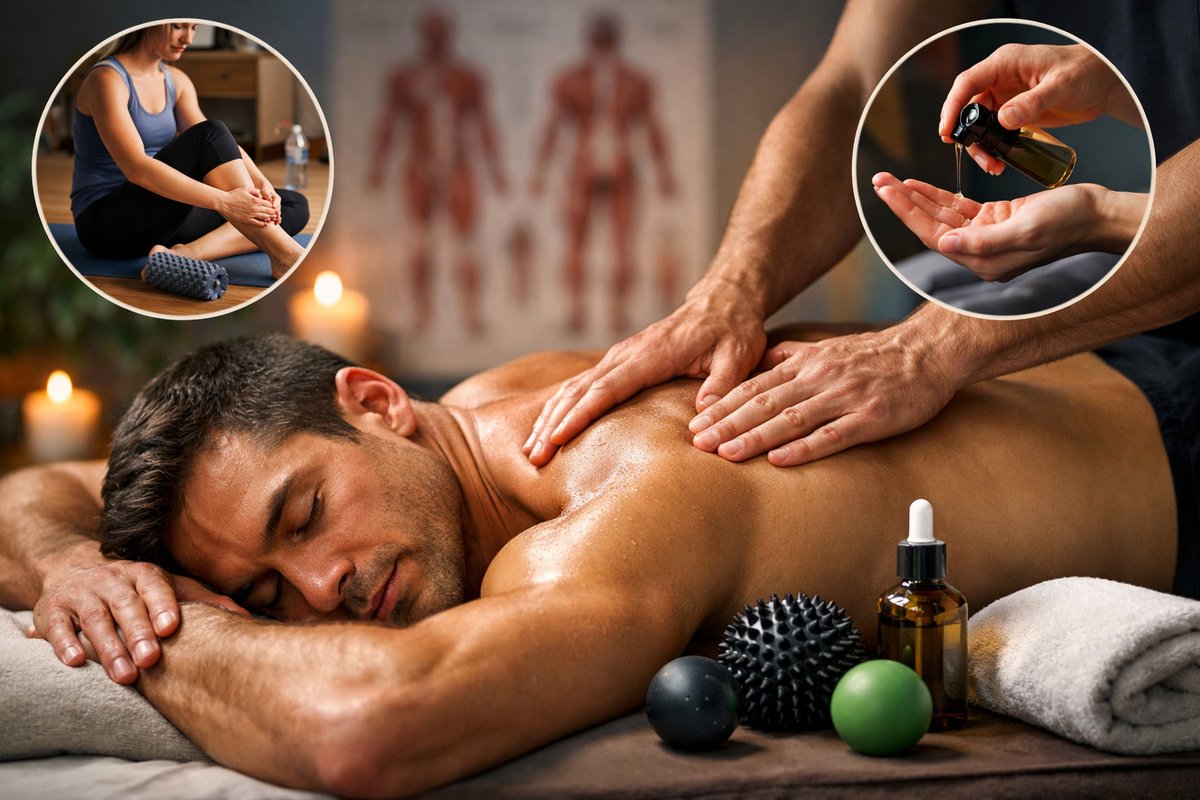

Every day, whether you’re training for a marathon or simply squeezing in a brisk jog before work, your muscles crave attentive care. Sports massage offers a hands-on approach to support recovery, ease tension, and refresh your energy. Grounded in proven manual therapy techniques, it helps enhance circulation, release tight tissue, and encourage restful sleep. In the following sections, you’ll learn why sports massage matters for everyday wellbeing, explore the science behind its effects, discover simple self-care strategies, and gather practical tips for safe and effective sessions.
Deep Tissue Care Meets Gentle Support
Sports massage blends firm strokes and targeted pressure with a nurturing intention. By applying sustained manual pressure along muscle fibers, therapists break down tiny adhesions and scar tissue that accumulate after intense workouts. These micro-knots, known as trigger points, can restrict range of motion and cause lingering soreness. A trained practitioner adjusts pressure to your tolerance, using their palms, thumbs, forearms, or even elbows to knead and glide along tight areas.
The sensory experience is both grounding and calming: the warmth of hands traveling across skin, a measured rhythm that mimics heartbeat pace, and the subtle release you feel as built-up tension melts. Over multiple sessions, athletes often report reduced pain levels, greater flexibility, and an enhanced sense of resilience in their muscles.
The Science of Circulation and Repair
When muscle fibers endure micro-damage during exercise, the body dispatches blood, oxygen, and nutrients to repair them. Sports massage appears to boost this normal healing response. Studies show that manual manipulation stimulates local blood flow, supporting the delivery of growth factors and clearing metabolic byproducts like lactic acid. Enhanced circulation also helps regulate inflammation, one key component of post-exercise soreness.
Researchers have observed that massage can reduce cortisol, the stress hormone linked to muscle breakdown, while increasing levels of serotonin and dopamine, compounds associated with relaxation and pain modulation. Together, these shifts in biochemistry help you feel more at ease and ready for your next training session.
Stress Reduction and Mental Reset
Beyond muscles and circulation, sports massage offers a mental reprieve. The focused attention on each muscle group encourages a mindful shift away from to-do lists and performance metrics. As you settle into a comfortable position on the table, guided breathing and soothing strokes invite your nervous system to downshift from fight-or-flight tension into a more restful state.
Even brief sessions-fifteen to twenty minutes-can lower overall stress markers, improve mood, and sharpen mental clarity. When you feel calmer, you breathe more deeply, oxygenating tissues more effectively. This gentle loop of relaxation and circulation translates directly into better sleep quality, sharper concentration, and a greater sense of physical readiness.
Practical Techniques You Can Try Today
If you’re new to manual therapy, you don’t need to wait for a professional appointment to start reaping benefits. Here are a few simple, safe methods you can practice at home:
- Foam Rolling: Use a medium-density foam roller to apply pressure along the calves, quads, hamstrings, and back. Roll slowly, pausing for twenty to thirty seconds on any tender spots until you notice a slight softening.
- Massage Ball Release: Place a firm rubber or spiky ball against the wall or floor, targeting tight spots around shoulder blades, hips, or the arch of your foot. Lean gently into the ball, holding pressure and taking deep breaths until discomfort subsides.
- Simple Self-Massage: Warm a small amount of therapeutic oil in your hands, then use thumbs or knuckles to knead along the muscle belly of your forearms, neck, or calves. Keep your movements slow and steady, focusing on areas that feel especially tense.
- Deep Breathing: While working on any muscle group, pair each release with a slow inhalation and exhalation. This deep breathing helps muscles relax beneath the pressure and supports a calm mental state.
Tips for a Safe and Effective Session
Whether you’re scheduling an appointment with a therapist or practicing self-care at home, these guidelines will help you maximize safety and comfort:
- Stay Hydrated: Drinking water before and after massage flushes out metabolic waste and supports tissue repair.
- Communicate Clearly: If you feel pinching or sharp pain, adjust the pressure or ask your therapist to lighten the touch. Comfort and progress go hand in hand.
- Allow Rest: Give your body time to integrate each session. Avoid intense workouts immediately afterward; opt for gentle stretching or light aerobic movement.
- Focus on Breath: Maintaining smooth, rhythmic breathing signals your nervous system that it’s safe to relax, amplifying the benefits of every stroke.
- Consistency Matters: Incorporate sports massage or self-release techniques into your routine at least once a week to build resilience and prevent chronic tightness.
A Moment of Mindful Self-Care
Sports massage isn’t just for elite athletes: it’s a practical pathway to better movement, clearer focus, and a renewed sense of balance. By blending hands-on care with simple self-applied methods, you can transform post-workout soreness into opportunities for deeper repair. Remember that caring for your body isn’t a one-time event but an ongoing conversation-listen to how your muscles respond, honor each sensation, and celebrate small gains in comfort and flexibility.
As you weave these techniques into your self-care practice, observe the ripple effects: cooler heads during busy days, more restful sleep at night, and a resilient spirit that’s ready for your next adventure. Your body holds wisdom in every sensation-treat it kindly, and it will guide you toward lasting wellbeing.