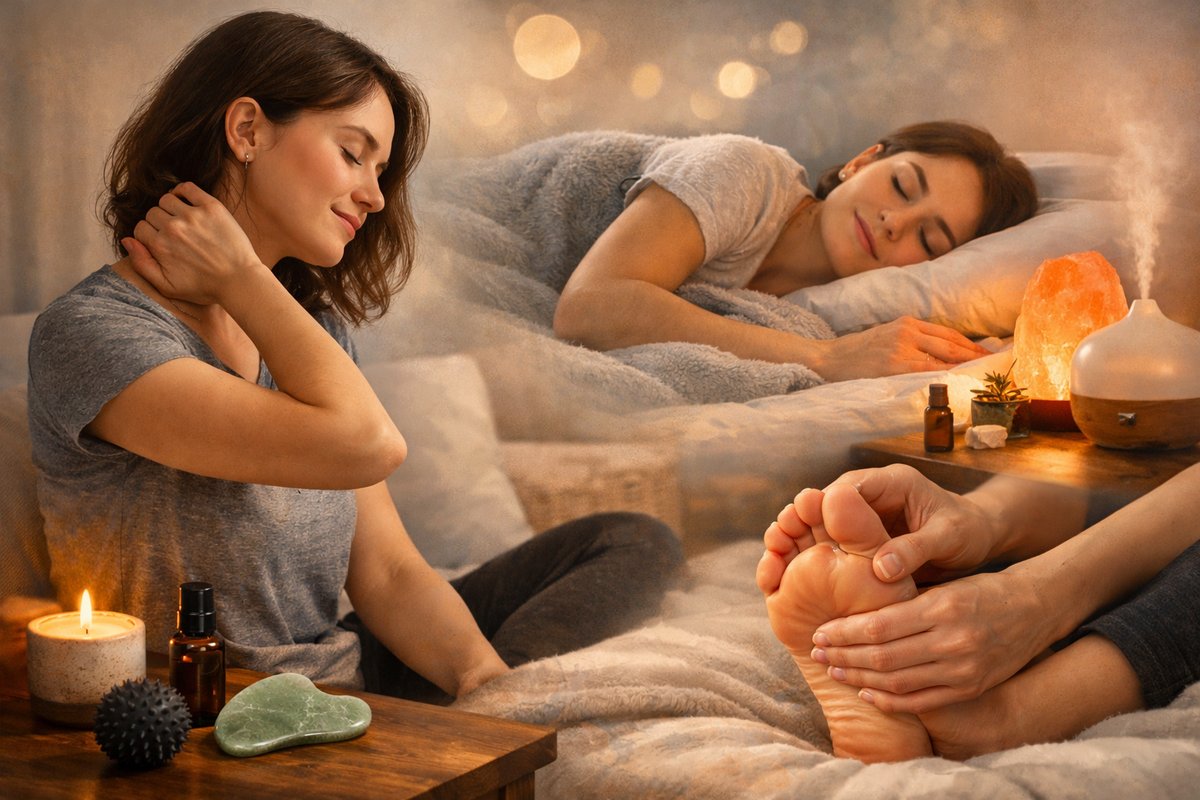

Understanding Tension and Stress
Stress and muscle tightness often travel together. When you notice a racing mind or a tight knot at your neck and shoulders, they’re both signals that your body is operating in a heightened state of alert. Research shows that gentle manual stimulation of soft tissues can help lower cortisol levels and increase parasympathetic activity-the “rest and digest” branch of the nervous system. By practicing modest self-massage techniques, you tap into your own body’s nervous system regulation, paving the way for reduced stress and more balanced energy throughout the day.
Preparing Your Space
Creating a calm environment sets the stage for an effective session. Start by choosing a quiet, comfortable spot free of distractions. Dim the lights or light a low-scent candle to signal to your brain that it’s time to unwind. If you like, play soft instrumental music at a low volume to mask background noise. Gather simple items: a small towel, your favorite light-tasting oil or lotion, and perhaps a supportive cushion to rest against. A relaxed atmosphere not only soothes the mind but also encourages your muscles to soften under your hands.
Simple Self-Massage Techniques
The following moves target common areas of tension and can be adapted to suit your daily schedule. Spend just 5-10 minutes on each zone, and breathe deeply to enhance the calming effect.
• Neck and Shoulders: Sit upright and use your opposite hand to gently knead your trapezius muscle (the area between your neck and shoulder). Apply pressure in small, circular motions. Lift your head slightly to create a bit more stretch, then release.
• Scalp Soothing: With pads of your fingertips, press and circle gently over your scalp. Move from the hairline toward the crown. This stimulates circulation and encourages a sense of lightheaded calm.
• Forearms and Wrists: Rest your elbow on a table. With the opposite hand, slide from your wrist up to mid-forearm, applying medium pressure. Repeat along both sides of the forearm to ease tension from repetitive typing or phone use.
• Feet and Ankles: Sit in a chair and cross one ankle over the opposite knee. Use your thumbs to press into the arch of your foot, moving from heel toward toes. Roll your ankle gently in both directions to release stiffness around the joint.
Using Tools to Enhance Your Practice
While hands-on techniques are effective on their own, a few simple accessories can deepen your experience:
• Foam Roller: A gentle roll along the back of your thighs or calves helps break up muscle knots and can reduce perceived soreness after activity. Move slowly, spending extra time on tender spots.
• Massage Ball: A firm rubber or silicone ball can mimic a therapist’s elbow on stubborn trigger points. Lean your weight into the ball at chest, shoulder blade, or hip areas to release tight fibers.
• Handheld Massager: Battery-powered percussive massagers deliver rapid, gentle pulses that encourage blood flow and relaxation. Adjust speed settings based on your comfort level.
Tips for Safe and Effective Self-Massage
• Start Light and Go Slow: Too much pressure can provoke soreness or bruising. Begin with gentle strokes, then gradually increase intensity as your muscles soften.
• Limit Duration per Area: Spending more than 10 minutes on a single spot can aggravate tissues. Keep sessions brief and break them into multiple zones.
• Stay Hydrated: Drinking water before and after self-massage supports healthy circulation and helps flush metabolic byproducts released during tissue mobilization.
• Listen to Your Body: Discomfort that feels sharp or radiates beyond the immediate area signals a need to back off. If pain persists, consult a trained professional.
• Breathe Deeply: Coordinating breath with massage enhances relaxation. Inhale before starting a new motion, exhale as you apply gentle pressure.
Embracing Mindful Self-Care
Self-massage is more than a series of movements; it’s an invitation to check in with yourself. As you glide your hands across muscles, notice subtle changes in warmth, firmness, or sensitivity. A calm, observant mind paired with gentle touch can nurture a deeper connection between body and awareness. Over time, this practice can make it easier to recognize early signs of tension before they escalate, empowering you to take swift, self-directed steps toward relief.
A Gentle Path to Better Sleep
Evening self-massage can help ease the transition to restful sleep. Concentrate on areas that hold the day’s stress-often the neck, shoulders, and feet. A 5-minute routine paired with slow, diaphragmatic breathing signals to your nervous system that it’s safe to let go. Consistency matters: a nightly ritual conditions both mind and body to anticipate deep, restorative rest.
Encouraging Mindful Self-Care and Body Awareness
Integrating self-massage into your daily routine is an act of self-compassion that honors your body’s needs. By nurturing tight muscles and soothing frazzled nerves, you build resilience against stressors-big and small. As you cultivate this habit, you may find that tension flags become more apparent, giving you the chance to respond with gentle care rather than letting stress accumulate unchecked. Over time, these small acts of touch can ripple outward, improving your overall sense of well-being.