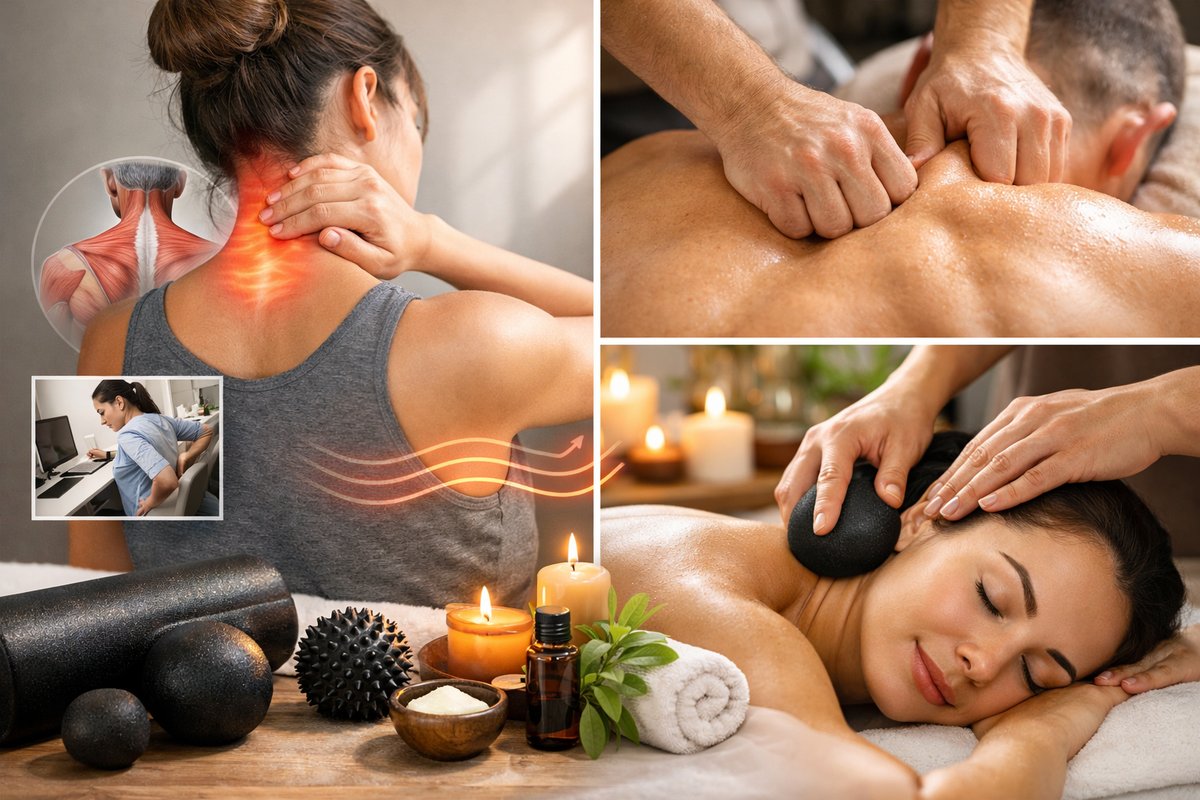

Muscle tension often builds quietly, a familiar weight across the shoulders after a busy workday or tight knots along the neck that stubbornly linger. Left unattended, this tension can affect sleep quality, mood, and overall ease of movement. Learning simple yet effective massage techniques rooted in professional practice can help you address these discomforts safely at home and recognize when to seek additional support.
Understanding Muscle Tension and Its Triggers
Muscles naturally contract and relax in response to activity. When they remain contracted-due to stress, poor posture, repetitive motion, or even dehydration-they become less pliable, restricting range of motion and sometimes producing pain. Research from the American Massage Therapy Association highlights that regular manual therapy increases blood flow to tense areas, delivering oxygen and nutrients that support tissue repair and reduce metabolic by-products linked to soreness.
Stress triggers a fight-or-flight response, flooding muscles with tension chemicals like adrenaline. Over time, this creates areas known as myofascial trigger points-tiny, hyper-irritable spots within the muscle fiber. Addressing these early helps prevent chronic discomfort and maintains a more balanced nervous system.
Manual Techniques That Target Tension
Professional massage therapists use several hands-on approaches that can be adapted for home use. Below are three evidence-informed techniques you can explore:
- Effleurage: Smooth, gliding strokes that warm the tissue and increase circulation. Begin with light pressure, moving toward the heart along the length of the limb.
- Petrissage: Kneading and lifting that work deeper layers of muscle. Use your fingers and palms to gently roll and compress the muscle belly, helping to break down adhesions.
- Compression and Hold: Direct pressure applied to a tense point for 20-30 seconds, followed by a slow release. This technique encourages the muscle to relax and reset its resting length.
These basic strokes can be performed on yourself or with the assistance of a trusted partner. Always start with lighter pressure to assess sensitivity, then gradually increase as tolerated.
Simple Self-Massage Moves to Try Today
Incorporating even five minutes of self-massage into your routine can offer immediate relief. Try these accessible exercises:
- Neck Release: Sit comfortably and tilt your head gently toward one shoulder. Use your opposite hand to apply light circles along the base of the skull and down the side of the neck. Breathe slowly as you work through any tender spots.
- Shoulder Squeeze: Clasp your hands behind your back and lift them slightly. This opens the chest; then use one hand to grab the opposite shoulder muscle and gently knead in small circles.
- Upper Back Roll: Maintain good posture and place a massage ball between your shoulder blade and a wall. Lean into the ball, roll it in small arcs, and pause for 20 seconds on any tight spots.
- Calf Glide: Sit with one leg extended. Using both hands, glide along the calf from ankle to knee with moderate pressure, then knead side to side.
Pair these moves with slow, diaphragmatic breathing. Exhaling fully encourages muscles to let go of stored tension.
Working with a Professional and Safety Tips
Self-care techniques are valuable, but trained therapists can use advanced assessments and apply targeted pressure safely. Seek a licensed massage therapist if you experience:
- Persistent or worsening pain despite home care
- Numbness, tingling, or sharp shooting sensations
- Recent injuries or underlying health conditions affecting circulation
When practicing self-massage, follow these guidelines:
- Avoid deep pressure on inflamed or swollen areas
- Stop if you feel sharp pain-discomfort should ease, not intensify
- Stay hydrated before and after massage to support tissue recovery
- Use a stable surface or wall for balance when using tools like massage balls
Embracing Mindful Touch for Everyday Comfort
Regularly tuning in to your body’s signals fosters greater awareness and resilience. Even brief massage sessions can reset tension pathways, soothe the nervous system, and lay the groundwork for better posture and movement habits. Pair it with gentle stretching, mindful breathing, or a warm shower to deepen the sense of calm.
By integrating professional techniques into your self-care routine-backed by evidence on circulation, trigger-point release, and stress reduction-you build a sustainable practice that honors your body’s need for rest and restoration. Begin with small, consistent steps and watch as everyday tension becomes easier to manage through the power of touch.