
A Warm Welcome to Wholeness
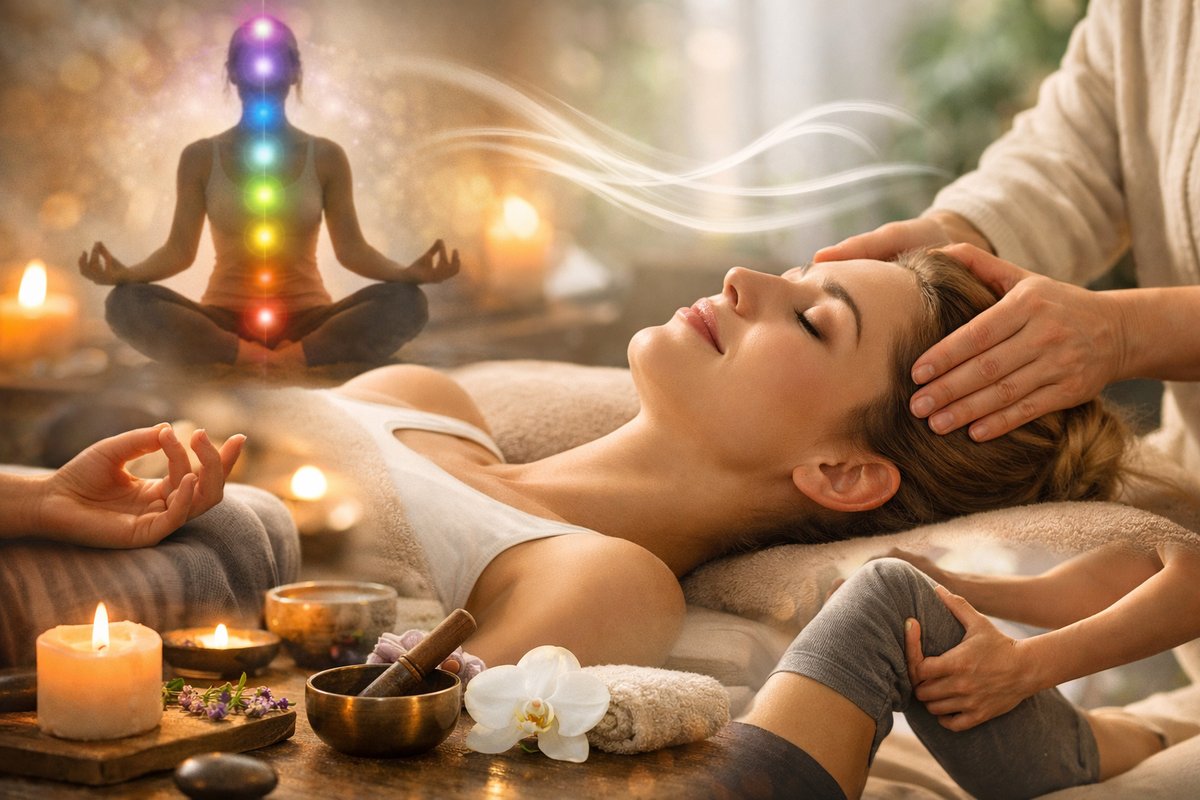
In the rush of modern life, tension can build up in ways we barely notice-stiff shoulders at the desk, a tight jaw during stressful calls, or a restless mind at bedtime. Wholistic massage invites you to pause, reconnect, and nurture every layer of yourself: body, mind, and the rhythms of daily life. By combining thoughtful touch, mindful breathing, and gentle movement, you can ease physical discomfort, soothe emotional strain, and strengthen the bridge between your inner world and the life you lead.
Why Wholistic Massage Matters for Overall Wellbeing
Wholistic massage moves beyond isolated techniques and isolated body parts; it engages the whole person. Research in massage therapy has found that when we pay attention to posture, tension patterns, and emotional holding, we not only relieve muscle tightness but also calm the nervous system. Studies in integrative touch show reductions in stress hormones like cortisol and improvements in mood and sleep quality. By acknowledging how thoughts, emotions, and daily habits influence physical tension, wholistic massage supports deeper and more lasting relief.
Listening to Your Body: Awareness Before Action
Begin with a brief self-check. Find a comfortable space-seated or lying down-where you won’t be disturbed. Close your eyes or soften your gaze. Notice areas of heat, cold, tingling, tightness or ease. Breathe naturally, tracking each inhale and exhale. This moment of attentive presence helps you meet your body where it is and tailor your self-massage practice to what you truly need.
Practical Techniques to Release Tension
Below are evidence-informed methods you can safely explore at home. Move slowly, breathe deeply, and honor your comfort limits.
1. Jaw and Neck Softeners: Clench and release your jaw gently. Place fingertips at the base of your skull on either side of the spine. Apply light, circular pressure, moving outward toward the ears. This helps soothe muscles that tighten during stress. Scientific studies show that gentle pressure in this area can lower jaw tension and alleviate headaches.
2. Shoulder and Upper Back Glide: Pour a few drops of a smooth carrier oil or lotion onto your hands. Warm the oil with your palms, then drape your fingers over one shoulder. Glide fingertips downward toward the mid-back, lengthening each stroke. Repeat on the other side. Slow, rhythmic glides activate pressure receptors in the skin, sending calming signals to the brain.
3. Hand and Wrist Calm: Interlace fingers and roll the wrists in gentle circles. Then, use your thumb to press into the fleshy area between the thumb and forefinger on each hand. Hold for 10 to 15 seconds. Research in hand reflexology suggests these points correspond with overall stress reduction and improved circulation.
4. Foot Grounding Sequence: Sit in a chair with one foot resting on the opposite thigh. Apply light oil, then use your thumbs to explore the sole in sweeping motions. Focus on the arch and heel, where many of us carry daily tension. A small pilot study in foot massage found that regular, focused touch here improved sleep quality in busy adults.
Mindful Breathing to Deepen the Effect
Pair each self-massage move with a simple breath practice. Inhale for a count of four, filling the belly. Exhale for a count of six, drawing the navel gently toward the spine. This extended exhale activates the parasympathetic nervous system, reinforcing the relaxation response that massage initiates.
Integrating Gentle Movement
Subtle stretches and mindful movement can amplify the benefits of massage:
• Seated Side Stretch: Raise one arm overhead and lean toward the opposite side, feeling a soft lengthening along the ribcage. Hold for five breaths on each side.
• Neck Tilt: Gently drop the right ear toward the right shoulder, supporting the head with your hand. Breathe into any tightness, then switch sides.
• Spinal Twist: In a seated position, twist your torso to the right, placing your left hand on your right knee. Hold for several breaths and repeat on the other side.
These movements encourage fluid circulation and help integrate the release achieved through touch.
Supporting Daily Habits for Whole-Person Balance
Massage is most powerful when it’s one part of a lifestyle that honors rest, movement, and self-awareness:
- Stay Hydrated: Water supports muscle recovery and helps clear metabolic byproducts released during massage.
- Prioritize Sleep: Deep rest allows your nervous system to rebuild balance. Create a calm bedtime ritual-dim lights, gentle stretches, or a few minutes of quiet breathing.
- Move with Intention: Incorporate short walks, gentle yoga, or mindful stretching into everyday routines to keep tension from settling.
- Cultivate Emotional Awareness: Journaling or talking with a supportive friend can help you notice stress patterns that show up in the body.
Safety and Comfort: Your Inner Compass
Always honor your boundaries. If a technique feels uncomfortable or painful, ease off. Use a light touch on areas of acute sensitivity. If you have chronic conditions, recent injuries, or serious health concerns, consult a qualified healthcare professional or licensed massage therapist before trying new self-care practices.
Harvesting Calm: A Gentle Closing
Wholistic massage is an invitation to listen, soothe, and reconnect. By intertwining mindful breathing, gentle movement, and caring touch, you build resilience against stress and deepen your relationship with your body. These practices remind us that wellbeing isn’t a luxury but an ongoing conversation between every cell, breath, and moment of mindful attention.
As you carry these insights into your day, notice how small pauses and simple strokes can transform tension into ease, fatigue into presence. Let each breath and each hand on your skin become a bridge back to a more balanced, awakened you.