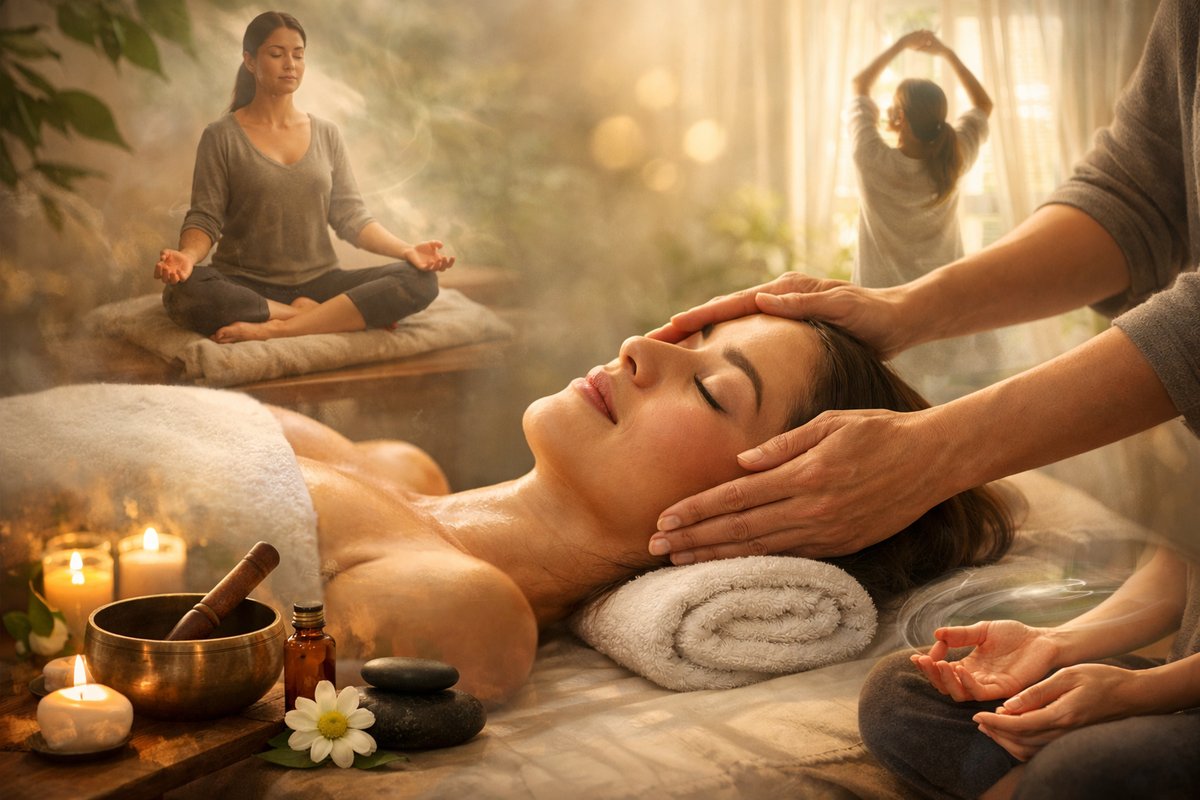

Why Wholistic Massage Matters for Whole-Person Wellbeing
Wholistic massage invites us to slow down, feel our body in its entirety, and draw together physical comfort, emotional ease, and daily rhythms. Rather than focusing on isolated muscles or aches alone, it encourages mindful breathing, attuned touch, and small, intentional movements that resonate with our unique needs. In a world often driven by to-do lists and digital notifications, this grounded approach gives space to reconnect with ourselves and strengthen resilience. Evidence from massage-therapy research shows that combining tactile stimulation with mindful awareness can lower stress hormones, improve circulation, and promote a sense of calm that carries through the day.
The Foundations of Wholistic Touch
At its core, wholistic massage rests on three pillars: thoughtful touch, attentive breathing, and gentle movement. Thoughtful touch involves using open palms, fingertips, or forearms-guided by the body’s natural contours rather than rigid routines. Research published in a peer-reviewed journal on integrative therapies highlighted that slow, rhythmic strokes encourage the parasympathetic nervous system, which helps the body shift into a state of rest and repair.
Attentive breathing aligns with each stroke. As you inhale, imagine drawing fresh energy into areas of tension; as you exhale, let go of tightness. This simple pairing of breath with touch deepens relaxation and invites the nervous system to settle.
Finally, gentle movement may include passive joint rotations or guided range-of-motion exercises. Respectful of individual comfort levels, these micro-movements stimulate lymphatic flow and maintain joint mobility. Together, the three pillars build a foundation that treats every part of you-physical structures, emotional state, and lifestyle patterns-as interconnected.
Mindful Touch Techniques for Everyday Balance
You don’t need a professional table to bring wholistic principles into daily life. Here are safe, practical techniques to try at home:
• Palm Glide: Warm a small amount of massage oil between your hands. Begin at the base of the skull with both palms cupped around the back of the head. Gently glide downward along the neck and shoulders in a continuous motion, matching each glide with a slow inhale and exhale. Repeat five to eight times, adjusting pressure to your comfort.
• Scalp Effleurage: Using fingertips, apply light circular motions across the scalp. Move from the hairline to the crown and back. This gentle stimulation can ease head tension and foster a calm, grounded feeling.
• Lower Back Palm Press: While standing or seated, place one palm over the low back just above the hips. Breathe in deeply, then press in with a slow, steady exhale. Hold for three to five seconds, then release on the next inhale. Switch sides and repeat. This technique supports lumbar circulation and releases stored tightness.
Each technique takes just a few minutes and can be woven into morning routines, work breaks, or evening wind-down rituals. Over time, consistent practice creates a subtle, sustaining sense of ease.
Breath-Integrated Movement: Gentle Practices
Movement that flows with breath helps sustain the shifts initiated by touch. Try these simple, evidence-informed exercises:
• Supine Knee Sway: Lie on your back with knees bent and feet flat. Gently let both knees fall to one side as you inhale, then bring them back to center as you exhale. Alternate sides for six to eight cycles. This mobilizes the lower spine and supports diaphragmatic breathing.
• Seated Shoulder Rolls: Sit tall with hands resting on thighs. Inhale as you lift shoulders up toward the ears, then exhale as you roll them back and down. Repeat in reverse. Moving shoulders in coordination with breath encourages upper-body release and better posture in daily tasks.
• Standing Side Stretch: Stand with feet hip-width apart. On an inhale, sweep one arm overhead and lean gently to the opposite side, feeling a stretch along the torso. Exhale as you return to center. Alternate sides for five sweeps each. This softens tension in the intercostal muscles and supports fuller, easier breaths.
Scientific literature on mind-body therapies indicates that integrating conscious movement with breath not only improves flexibility but also enhances mental clarity. By moving in this attentive way, you help recalibrate both muscular tone and emotional steadiness.
Self-Care Rituals to Maintain Harmony
To sustain the benefits of wholistic massage, building simple rituals into your day can make all the difference. Consider these complementary practices:
• Aromatic Warm-Up: Add a few drops of a gentle essential oil-such as lavender or chamomile-to your massage oil. The familiar scent helps the mind anticipate relaxation and deepens sensory connection without overstimulation.
• Stay Hydrated: After any massage or self-touch session, drink a glass of water to support circulation and flush out metabolic byproducts released during tissue work.
• Brief Mindful Pause: Set an alarm for mid-day. When it rings, pause for one minute of deep breathing or a couple of palm glides over the shoulders. This mini-reset counters the build-up of stress.
• Bedtime Unwind: Before sleep, spend three to five minutes practicing lower back palm press or scalp effleurage. Pair it with soft lighting and a gentle stretch to signal to your nervous system that rest is on the way.
By weaving these small touches into everyday life, you reinforce the wholistic message that wellbeing emerges from consistent, compassionate attention to the body and mind.
Cultivating Gentle Awareness
Wholistic massage is more than a technique-it’s an ongoing conversation with your body. Whether you have five minutes or fifteen, the act of slowing down to apply touch, breathe deeply, and move with intention creates a feedback loop of care. Over time, you’ll notice subtle shifts: shoulders that feel less knotted, a calmer breath in stressful moments, or a lighter sense of ease when you wake.
Remember that every body responds differently. Honor your personal pace, explore what feels nurturing, and adapt techniques to fit your unique context. As you cultivate this gentle awareness, wholistic massage becomes a bridge to daily balance, stress relief, and a deeper reconnection with yourself.
Invite these methods into your routine as an act of self-compassion. Your body carries the story of your life-from long workdays to quiet evenings. By tending to it with wholistic touch, mindful breath, and gentle movement, you’re nurturing the full spectrum of your wellbeing-physical, emotional, and beyond.