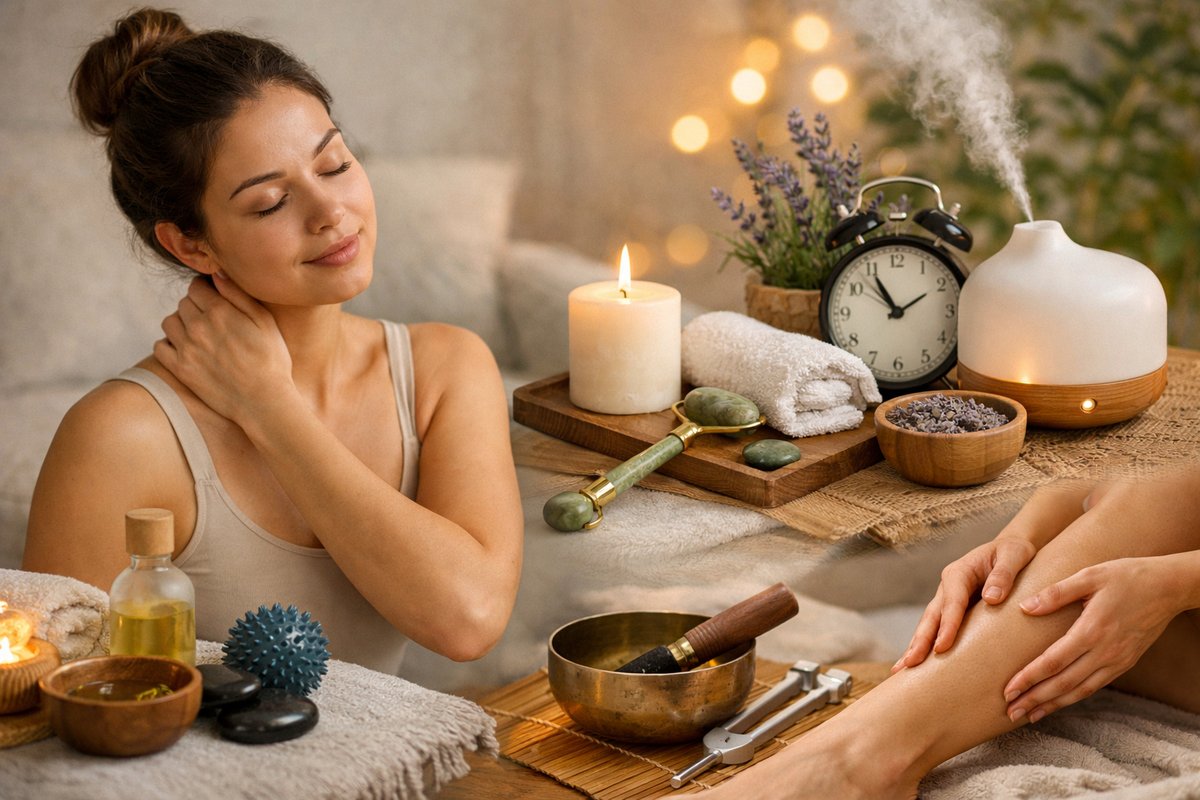

Why Stress Relief Matters for Everyday Well-Being
Life’s daily pressures-from meeting deadlines to juggling family commitments-can leave our bodies tense and our minds racing. Chronic stress affects muscles, sleep quality, and overall mood, making it harder to feel grounded and energetic. Incorporating massage techniques into your routine offers a proven way to interrupt this cycle: by applying gentle pressure to muscles and connective tissues, massage helps signal your nervous system to relax. This simple, hands-on approach supports both physical and mental well-being.
Understanding Stress and the Body
When you’re stressed, your body releases hormones like cortisol and adrenaline, which trigger a fight-or-flight response. Muscles tighten, heart rate rises, and breathing becomes shallow. Over time, this heightened state can contribute to headaches, lower back pain, and restless sleep. Massage therapy counteracts these effects by stimulating the parasympathetic nervous system-sometimes called the “rest and digest” response. Research has shown that just 15-20 minutes of focused massage can lower cortisol levels and boost feel-good hormones like serotonin.
Evidence-Based Massage Techniques for Stress Relief
1. Effleurage (Light Stroking): Begin with long, gentle strokes along major muscle groups-such as the neck, shoulders, and back. Effleurage warms tissue, spreads natural oils, and helps you tune into areas of tightness. Studies demonstrate that this technique alone can reduce perceived tension by up to 30 percent in a single session.
2. Petrissage (Kneading): Using your fingers and thumbs, lift and roll the skin and muscles in small sections. This kneading motion increases local blood flow, helping to flush out metabolic waste products that accumulate during stress. In one clinical trial, participants reported a marked decrease in muscle stiffness and improved range of motion after just two kneading sessions.
3. Trigger-Point Release: When you identify a tight “knot,” apply steady, moderate pressure directly to that spot for 20-30 seconds. This sends a message to the nervous system to let the muscle relax. Trigger-point therapy has been shown to alleviate tension headaches and reduce pain in common stress-related areas like the upper trapezius.
4. Gliding and Friction: On smaller areas such as the forearms or calves, use your thumbs or knuckles to make small, circular friction movements. This technique breaks up adhesions in muscle fibers. Research indicates friction can speed up recovery from repetitive-strain stress in desk workers and manual laborers alike.
DIY Self-Massage Tips for Everyday Use
• Neck and Shoulders: Sit comfortably with your back supported. Gently grip the base of your skull with both hands, using your fingertips to apply circular pressure. Gradually work down the sides of your neck and over the tops of your shoulders.
• Hands and Forearms: Use your opposite thumb to press into the palm and the base of each finger. Then slide your thumb along the forearm muscles. This is especially helpful after long hours of typing or driving.
• Feet and Calves: While seated, place a firm massage ball under your arch and roll it slowly from heel to toes. Once you feel a tender spot, pause and let your weight rest there for 20-30 seconds. This can reduce foot fatigue and ease tension in the calves.
• Scalp Massage: Using your fingertips, make small, circular motions across the scalp. This technique stimulates blood flow to the head, promoting relaxation and even helping to relieve mild tension headaches.
Always listen to your body: pressure should be firm but not painful. If you have any medical concerns, consult a qualified practitioner before trying new techniques.
Creating a Relaxing Environment at Home
Setting the right mood can amplify the benefits of massage. Consider these sensory elements:
Lighting: Dim lights or soft lamps reduce visual stimulation and cue your brain that it’s time to unwind.
Sound: Gentle instrumental music or a white noise machine can mask background distractions. Focus on slow, rhythmic tracks around 60-80 beats per minute to synchronize with your breathing.
Aromatics: A few drops of a calming essential oil-such as lavender or chamomile-can further soothe the nervous system. Diffuse the oil or mix it with a carrier oil for skin contact. Always perform a patch test to check for sensitivity.
Temperature: Keep the room comfortably warm. A heated pad or warm towel draped over tense areas enhances circulation and softens muscle tissue, making massage strokes more effective.
When to Seek Professional Massage Support
While self-massage is a valuable tool, certain conditions benefit from a trained massage therapist’s expertise. Consider booking a professional session if you experience:
• Persistent or worsening pain in one area
• Mobility restrictions that limit daily activities
• Symptoms following an injury or surgery
• Chronic stress-related issues such as insomnia or tension headaches
Licensed therapists are trained to use advanced techniques like myofascial release, deep tissue work, and lymphatic drainage. A professional assessment can also help you establish a personalized self-care plan.
Mindful Self-Care and Body Awareness
Massage is more than a luxury-it’s an accessible way to foster awareness of your body’s signals. By integrating simple techniques into your day, you can interrupt the stress cycle, ease muscle tension, and improve sleep quality. Over time, you’ll become more attuned to subtle shifts in your physical state, empowering you to respond proactively when tension builds. Start with just five minutes each day, and notice how a small ritual can grow into a transformative habit.