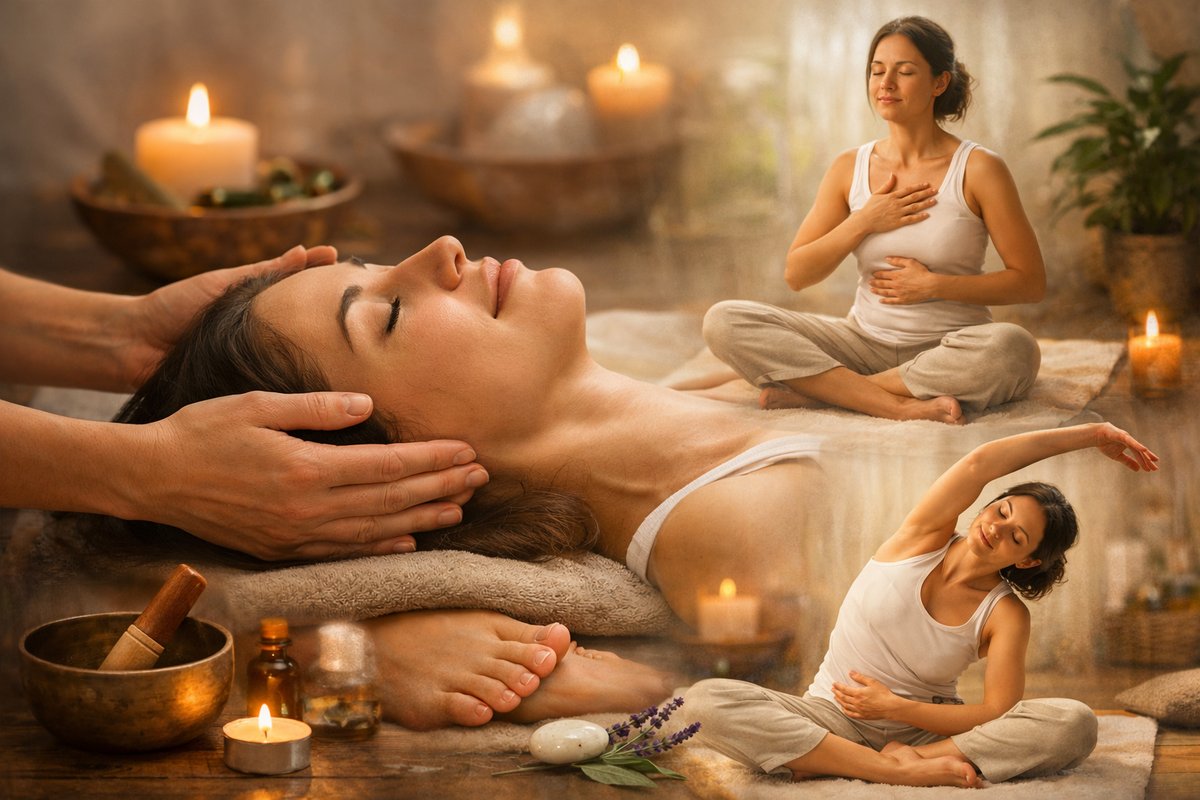

When daily demands tug at our nerves and shoulders, wholistic massage offers more than a brief escape-it invites us into a fuller experience of being. By embracing every layer of the self-physical sensations, emotional rhythms, and habitual patterns-this approach supports relaxation, reduces stress, and cultivates a sense of grounded ease that carries through the day. You don’t need specialized equipment or hours of training: gentle awareness, warm touch, and an open heart are the true roots of a wholistic massage practice. In the paragraphs ahead, you’ll discover practical tips, evidence-informed insights, and simple techniques that honor your whole person in the comfort of home.
Understanding Wholistic Massage
Unlike treatments that focus solely on kneading tight muscles or manipulating joints, wholistic massage acknowledges how our emotional states, breathing patterns, and daily habits shape physical tension. Research in complementary therapies shows that when practitioners and clients attend to breath, posture, and verbal feedback alongside manual techniques, clients report deeper relaxation and longer-lasting relief from stress hormones. By treating the body as a narrative-where muscle tightness, shallow breathing, and emotional tension are chapters of a whole story-wholistic massage becomes an art form tuned to your unique needs.
Connecting Body and Mind through Touch
At the heart of wholistic touch lies mindful presence. Begin by creating a calm environment: lower the lights, play soft instrumental music, and position yourself or your massage partner on a supportive surface. Use slow, deliberate strokes with warm hands, melting away initial resistance in the shoulders, back, and neck. Pay attention to how each fingerpad and palm feels against the skin-the gentle drag of lotion or oil, the gradual release of tension beneath fingers. Studies on therapeutic touch highlight how this slow rhythm activates the parasympathetic nervous system, lowering cortisol levels and inviting a state of rest.
Invite the recipient (or yourself) to provide feedback: Does a light pressure feel soothing or is a firmer touch more helpful? When you synchronize hand movements with a calm, regular breath-guiding an inhale to expand the chest and an exhale to soften the shoulders-you reinforce the mind-body dialogue. This tactile conversation plants seeds of safety, fostering trust in the body’s innate capacity to unwind.
Integrating Breathing and Movement
To deepen the wholistic experience, integrate gentle movement with hands-on work. One simple exercise is a seated shoulder roll paired with palm placement: place your right hand on the left shoulder, apply gentle pressure, and as you inhale, roll the shoulder forward; as you exhale, roll it back. Repeat on both sides for five cycles. This synchrony of touch, movement, and breath improves circulation, releases fascia restrictions, and heightens somatic awareness.
Another approach is the supported side-lying stretch: lie on your right side with a bolster under your head and knees, left arm extended slightly forward. Place your left hand on the outer edge of your ribcage. As you inhale, feel the ribs expand beneath your hand; as you exhale, let the ribs soften. This practice opens the chest and can bring relief for those who hold tension in the upper body. Backed by research on myofascial release, these movements highlight how slow, mindful stretching combined with gentle pressure can ease muscle tightness and improve range of motion.
Practical Self-Care Techniques at Home
Consistency is key when nurturing whole-person balance. Here are three accessible techniques you can weave into your daily routine:
- Self-Palming for Eyes and Face: Rest the heels of your hands gently over closed eyelids, extending fingers across the forehead and cheeks. Feel the warmth and softness over the brow, temples, and jaw. This simple act soothes visual fatigue and eases mild headaches.
- Lower Leg Effleurage: While seated, apply a light massage oil or lotion to one foot and lower leg. Using both hands, sweep from the ankle up to just below the knee with smooth, repeated strokes. This stimulates circulation, eases postural strain, and can reduce restless legs at night.
- Neck and Scalp Release: With fingertips lightly grazing the base of the skull, make small circles to ease tension around the occiput. Then move upward, parting hair with soft pressure along hairline and temples. This method has been shown in small trials to relieve stress and improve mood by activating cranial sensory pathways.
Each practice can be done in five minutes or less, making it easy to integrate into breaks at work or moments of quiet before sleep.
Cultivating Everyday Balance
Wholistic massage is more than a set of techniques-it’s an attitude of gentle curiosity toward your body’s signals. Notice how a few minutes of mindful touch can ripple outward, sharpening your ability to pause, breathe, and choose responses over habitual stress reactions. Over weeks, these small rituals create a reservoir of calm that enhances focus, uplifts mood, and promotes better sleep.
Remember that you are the primary caretaker of your wellbeing. Whether you seek grounding before a busy day or comfort after a challenging moment, wholistic massage invites you to tune into the symphony of sensations within. By listening to breath, muscle tone, and emotional shifts, you foster resilience and a deeper appreciation for the intelligent wisdom of your body.
As you continue exploring wholistic massage, trust your evolving taste for pressure, rhythm, and movement. Celebrate the moments of release, however subtle, and honor your progress by acknowledging each return to ease. In this way, the practice becomes a gentle compass guiding you toward greater balance and mindful presence in every aspect of life.