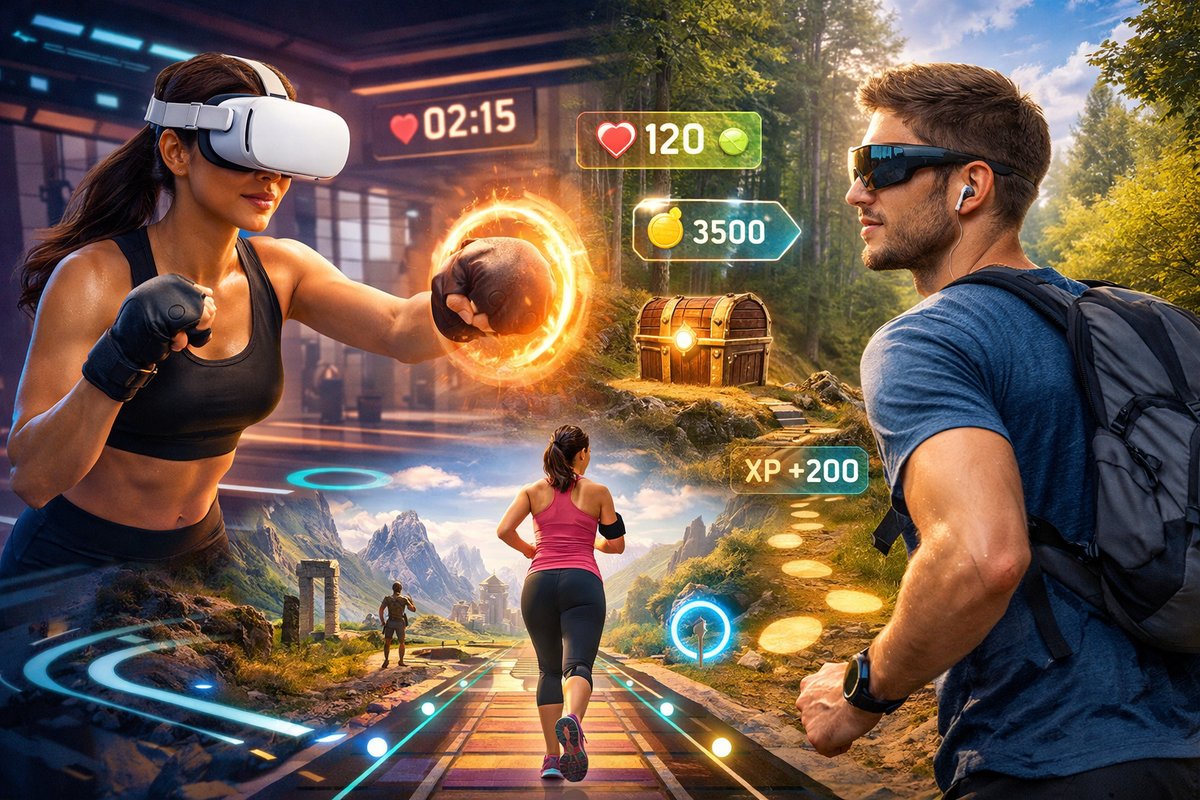

The line between play and pulse is dissolving as game designers, fitness experts, and technologists collaborate to turn workouts into immersive adventures. In living rooms, studios, and city streets, playful challenges once confined to arcades are now the engine behind heart-pumping routines. Players swap treadmills for virtual obstacle courses, meditation mats for guided VR forests, and routes through urban jungle gyms powered by augmented reality. Lured by bright visuals, instant feedback, and social leaderboards, a growing audience is embracing a playful path to strength, balance, and mindfulness.
Virtual reality fitness is leading the charge, with usage surging as headsets become more affordable. Industry analysts report that weekly active users of VR fitness apps have climbed by over 40 percent in recent quarters. Titles once marketed purely as entertainment now feature calorie counters, adaptive difficulty generators, and multiplayer modes that let friends sweat together from opposite sides of the globe. In a single session, players swing swords, dodge obstacles, or carve virtual slopes-each movement calibrated to burn calories and boost coordination.
Beyond the cardio count, VR fitness communities are blossoming. Weekly live classes stream into virtual gym hubs where instructors guide groups through high-intensity drills in neon arenas. Participants chat, cheer each other on, and celebrate personal bests on shared leaderboards. This communal dimension blurs the distinction between an at-home workout and a boutique fitness studio. People who once found the gym intimidating now flock to virtual spaces where avatars mask insecurities and motivate through playful competition.
But it’s not only headsets that are reinventing exercise. Home gaming consoles have released motion tracking accessories designed to transform any room into an interactive playground. Attach a ring or band to a controller and it doubles as a jump rope, boxing glove, or yoga block. Adventure-style campaigns adapt to your heart rate: ascend a mountain path only when your pulse steadies, or traverse a jungle temple by lunging and squatting in time with on-screen prompts. These titles strike a balance between focused training and narrative escapism, inviting beginners and seasoned athletes alike to level up both skill and strength.
A parallel wave features interactive fitness mirrors that project live or on-demand classes directly onto a reflective surface. Equipped with cameras and AI-powered posture correction, these sleek devices guide users through yoga flows, pilates circuits, and dance parties-bookmarking progress and celebrating milestones. The mirror’s virtual trainer adapts to your speed and flexibility, offering tips and adjustments in real time. It feels less like staring at your reflection and more like inhabiting a transparent portal to a personalized studio.
Mindfulness has joined the gameful revolution too. Virtual reality meditation apps transport users to serene landscapes where guided breathing exercises are rewarded with visual flourishes-blossoming flowers, drifting lanterns, or gentle aquatic life. Smartphone meditation tools layer habit tracking onto serene audio journeys, unlocking badges for consistency and streaks. When stress peaks, a quick gamified breathing session can reset focus and reinforce the sense that health isn’t a chore, but a quest with rewarding checkpoints along the way.
Outdoors, augmented reality titles are fueling a renaissance of pedestrian adventure. Players explore parks, neighborhoods, and heritage trails in search of virtual artifacts or hidden creatures, all while racking up steps and burning calories. Seasonal events invite local communities to compete in city-wide scavenger hunts-redeeming digital tokens for real-world prizes at pop-up vendors. These experiences leverage GPS and camera feeds to overlay playful challenges on familiar surroundings, turning a daily walk into an exploratory mission.
Charitable marathons and fundraising events have also harnessed gamification. Participants link wearable trackers to online platforms that award points for each mile or fitness class completed. Sponsors pledge funds per milestone, transforming personal fitness goals into collective impact. Over a month-long campaign, thousands log workouts, swap tips in forums, and unlock communal stretch goals-like funding clean water initiatives or planting urban trees-blurring the lines between self-care and civic engagement.
Underpinning these experiences is a new generation of wearable tech. Heart-rate straps, smart watches, and biometric shirts feed real-time data into games, adjusting intensity to keep players in optimal training zones. Motion sensors embedded in clothing track posture and form, ensuring that every squat or swing contributes both to a high-score tally and to safe, efficient movement. As data streams into companion apps, users receive tailored recommendations for rest, recovery, and next-day workouts, making play a holistic part of daily health management.
Of course, challenges remain. Not everyone has the space or budget for large-scale setups, and motion sickness still plagues some VR newcomers. Developers are experimenting with seated or low-impact modes to widen accessibility, while designers focus on affordable bundles and modular gear that can evolve with a user’s budget. Public studios and wellness centers are also offering drop-in options, letting curious beginners test equipment before committing to at-home investments.
From the perspective of studios, the opportunity is clear. Partnerships between game developers and certified trainers are on the rise, ensuring that virtual routines align with proven fitness methodologies. Narrative designers weave health milestones into overarching story arcs, nudging players toward balanced routines that combine strength, endurance, and flexibility. As these collaborations deepen, the games themselves become platforms for preventative health, mental wellness, and community support-pushing the field well beyond simple calorie counters.
Looking ahead, the future of gamified wellness is ripe with possibilities. Advances in AI coaching promise hyper-personalized training that adapts in real time to fatigue, recovery patterns, and mood. Haptic wearables could introduce tactile feedback-gentle pulses reminding you to correct your form or switch targets-while mixed-reality headsets blend digital overlays with physical environments for seamless workout integration. Nutrition tracking may tie into daily quests, rewarding balanced meals alongside movement achievements.
As these innovations converge, gamified wellness is poised to upend how society thinks about fitness and mental health. No longer are exercise and play separate domains-today’s digital ecosystems invite users to chase high scores, conquer virtual worlds, and cultivate healthy habits in one unified journey. In this new era, every squat, sprint, and stretch is an opportunity to win experience points-not just for a character avatar, but for a stronger, more resilient self.
With the barriers between gaming and wellness fading, the invitation is open: press start on a healthier life. The tools, the communities, and the playful spirit are already in place-your next level of well-being awaits.