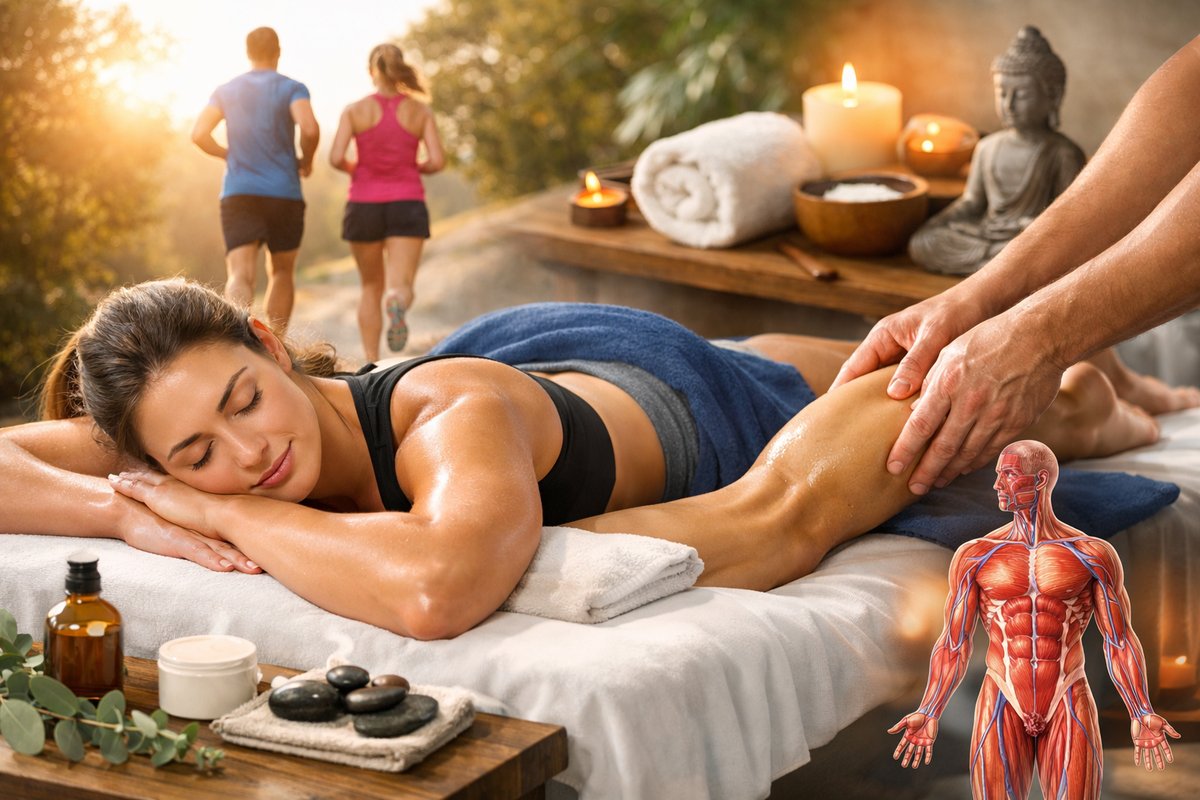

Sports massage has earned its place in the routines of athletes and weekend warriors alike. Rooted in evidence-based practice, it combines targeted pressure, rhythmic strokes, and careful attention to tissue quality to help your body bounce back faster. Far from a luxury, sports massage can be a cornerstone of everyday self-care, supporting better sleep, reduced soreness, and a more resilient mindset.
Unwinding Muscle Tension with Targeted Pressure
Imagine a skilled therapist using their thumbs, palms, and forearms to find knots and gently stretch tight fibers. Sports massage employs techniques such as effleurage (long, gliding strokes), petrissage (kneading), and friction to break up adhesions-areas where muscle fibers bind together after intense work. By gradually increasing pressure and guiding tissue through its natural range, the therapist can help improve flexibility and reduce the lingering stiffness that often follows a hard training session. For a first-timer, expect to feel deep kneading in areas prone to tension, like the calves, hamstrings, and shoulders, followed by a pleasant release as muscles soften.
Boosting Circulation and Metabolic Waste Removal
Beyond the immediate sense of relaxation, sports massage supports healthy blood flow to working muscles. Enhanced circulation delivers fresh oxygen and nutrients, while stimulating lymphatic drainage helps clear metabolic byproducts such as lactic acid. Research has shown that even a short, fifteen-minute targeted massage can accelerate the removal of these waste molecules, reducing the burn you feel the next day. When tissues receive improved nutrient exchange, microtears from training are repaired more efficiently, promoting faster healing and helping you return to your routine with fewer aches.
Stress Relief and Mind-Body Connection
Physical tension and mental stress often feed each other. As muscles tighten under pressure, your nervous system can interpret that sensation as a threat, keeping you in a low-level fight-or-flight state. A skilled sports massage therapist encourages the parasympathetic response-the “rest and digest” mode-through slow, rhythmic movements and mindful breathing cues. This sensory-rich environment, with soft lighting and gentle music, invites a deeper state of calm. Even if your primary goal is muscle recovery, you’ll likely notice a lighter headspace, lower heart rate, and quieter mind by the end of your session.
Integrating Sports Massage into Your Recovery Routine
Consistency is key. While one session can offer immediate relief, scheduling regular appointments-whether weekly, biweekly, or monthly-yields cumulative benefits. Between visits, you can reinforce those gains with tools like foam rollers and massage balls to apply self-myofascial release at home. Simple practices such as gentle stretching, staying hydrated, and prioritizing quality sleep will further support your tissues as they adapt to training. Remember to communicate openly with your therapist: let them know about recent changes in activity, lingering discomfort, or specific goals, so each session can be tailored to your unique needs.
A Word on Safety and Finding a Qualified Practitioner
While sports massage is generally safe, it’s helpful to seek out a certified therapist who has completed recognized training in sports-focused modalities. They understand anatomy, injury prevention, and appropriate pressure levels. If you have a medical condition, recent injury, or chronic pain, discuss your history before lying on the table. A good practitioner will listen, adjust techniques, and may recommend collaborating with other healthcare professionals if needed. Trust and clear communication ensure that your massage remains both effective and comfortable.
Sensory Restoration: Encouragement for Ongoing Care
Embracing sports massage as part of a balanced recovery plan is an investment in your long-term resilience. By relieving tension, promoting circulation, and cultivating mental calm, you give your body the support it needs to adapt, grow stronger, and maintain vitality. Take these insights into your next session-or try a few self-care techniques today-and notice how attentive bodywork can restore both muscle health and emotional ease. Your future self will thank you for the mindful moments you carve out now.