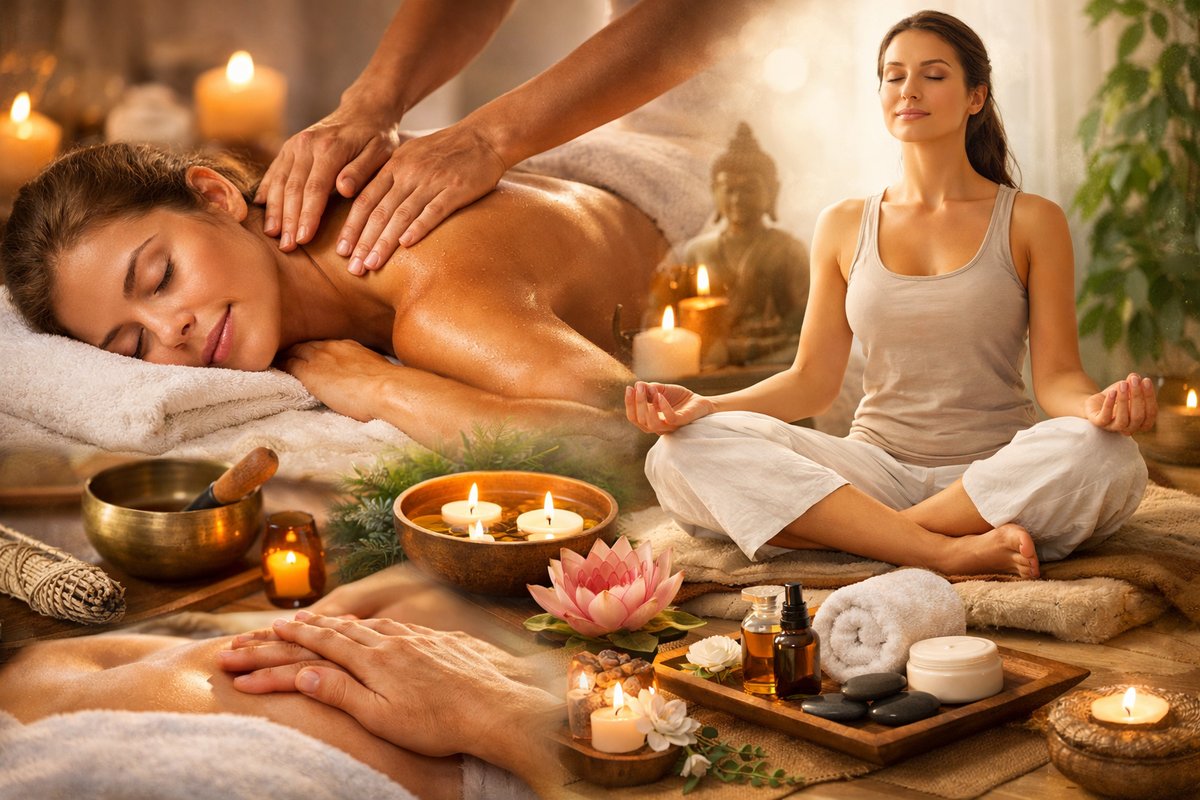

Grounding the Body and Mind
Modern life can wrap the body in tension and the mind in distraction. Wholistic massage offers a comforting counterpoint: a practice that attends to the whole person-muscles and emotions, breath and daily rhythms. When practiced with intention and care, gentle touch can interrupt our stress cycles, improve circulation, and invite a sense of centered ease.
This approach doesn’t promise a clinical cure. Instead, it weaves together simple techniques and mindful awareness to support natural relaxation and reconnect you more deeply with your body’s own wisdom.
Understanding Tension Through a Wholistic Lens
Tension often lives in the shoulders, neck, and lower back-places where emotional carrying meets prolonged postures at desks or behind the wheel. Wholistic massage views these areas not as isolated knots, but as messages from the body about how you live, move, and breathe. Research in massage therapy shows that gentle pressure and strokes can lower the stress hormone cortisol, boost mood-elevating serotonin, and calm the nervous system. By noticing the texture of tight muscles alongside breath patterns and posture habits, you begin to see tension as a bridge connecting physical sensations with daily life.
Essentials of a Safe, Self-Care Massage
Even without a professional therapist, you can practice safe, self-administered massage at home. Before you begin, set up a calm space: dim lighting, a smooth surface or supportive cushion, and perhaps an inspired scent (lavender or eucalyptus are gentle options). Scatter a few rolled towels or a soft bolster nearby. Prioritize comfort and alignment-props can help you cradle areas like the knees or elbows so muscles stay soft under your hands.
Here’s a simple routine to ease tension:
- Breath-Synchronized Strokes: Place both palms on your shoulders. As you inhale, apply moderate pressure with your fingertips, sweeping gently toward the neck. As you exhale, glide your hands back down to the shoulders. Repeat ten cycles, adjusting pressure to stay within comfortable limits.
- Neck Release with Lateral Glides: Tilt your head slightly to one side. Using the opposite hand, cup the base of the skull and glide fingers outward along the trapezius muscle toward the shoulder, maintaining steady, even pressure. Switch sides after five glides.
- Forearm Rolling: Place a small, smooth massage ball or sturdy water bottle on a tabletop. Rest one forearm on the object and roll it gently back and forth, pausing on tender spots. Spend one to two minutes on each arm to ease wrist and elbow tension.
Integrating Gentle Movement and Stretching
Adding mindful movement to massage deepens the wholistic effect. After releasing shoulders or neck, gently circle your shoulders forward and back ten times each. Lie on your back with knees bent and feet on the floor; hug one knee at a time to your chest, rocking side to side. These simple stretches, done mindfully, help realign posture and encourage fresh blood flow to areas you’ve just massaged.
Evidence-Informed Ingredients for Your Massage Practice
While touch itself carries most of the benefit, certain supportive elements can enhance comfort and relaxation:
- Plant-Based Oils: A light, easily absorbed oil-such as sweet almond or grapeseed-reduces friction and helps you maintain smooth, even strokes. Though scent can be soothing, choose unscented or naturally scented oils if you have sensitive skin.
- Warm Compress: Applying a gently warmed towel to tense areas before massage can soften muscle tissue. Aim for a temperature that feels cozy but not hot.
- Soft Lighting and Sound: A quiet playlist of gentle piano or nature sounds can support deeper relaxation by minimizing distractions and encouraging a slower breathing rhythm.
Clinical studies repeatedly confirm that combining tactile stimulation with warming and mindful breathing amplifies relaxation responses in the autonomic nervous system. This trio helps shift the body from a “fight-or-flight” state toward greater parasympathetic activation-our natural “rest-and-digest” mode.
Building Consistency into Daily Life
True wholistic care weaves small rituals into the rhythm of everyday living. Try these simple habits:
- Morning Shoulder Shake: Before standing, shake each arm gently for 30 seconds to wake up circulation and gauge baseline tension.
- Lunch-Break Hands-On Check-In: Place both hands on your lower ribs and notice your breathing for a minute. If breath feels restricted, press in with fingertips to encourage lateral rib expansion.
- Pre-Bedtime Foot Care: Massage each foot with a tennis ball under the arch while seated. Roll slowly, pausing on tender spots to relieve daylong standing stress.
By spacing out these small moments, you prevent tension from accumulating and cultivate an ongoing dialogue with your body’s comfort levels.
Embracing Mindful Awareness
Wholistic massage is as much about attention as it is about technique. Before and after each self-massage session, pause to observe any shifts in mood, breath depth, or muscular ease. Journaling a sentence or two about what you notice can reinforce positive change and guide adjustments in pressure, pace, or focus areas over time.
Gentle Invitation to Self-Care
Massage does more than knead away tightness-it guides you back into a state of kindness toward your own thresholds and resilience. Each stroke, breath, and stretch becomes an act of nurturing presence. Over weeks, this consistent practice can help you respond to stress with curiosity instead of contraction, and to discomfort with care instead of judgment.
Let this be a starting point-a collection of gentle tools and mindful prompts you can adapt to your daily rhythm. Return to these practices whenever tension arises, and remember: caring touch begins with your own willingness to be present. May each gesture you offer yourself carry ease, respect, and deepening connection to the whole you.