
In the pace of daily life, building small moments of calm and comfort can make a big difference. Self-massage uses simple tools and gentle pressure to support relaxation, ease muscle tension, and promote a sense of wellbeing. By bringing touch into your own hands, you gain instant access to stress-reducing techniques without waiting for an appointment. This guide explores how self-massage works, presents safe methods you can try today, highlights useful tools, and offers practical tips to help you weave mindful touch into your everyday routine.
The Mind-Body Science Behind Self-Massage
Research shows that massage stimulates the parasympathetic nervous system-the branch responsible for rest and digestion-encouraging the release of neurotransmitters like serotonin and dopamine. A randomized trial published in a reputable journal found that participants who practiced daily self-massage reported lower cortisol levels and reduced feelings of anxiety within two weeks. Touch receptors in the skin signal the brain to decrease stress hormone production, while improved circulation delivers fresh oxygen and nutrients to tired muscles. Over time, this combined effect supports not just immediate relief but also ongoing resilience against tension and mental fatigue.
Essential Tools to Get You Started
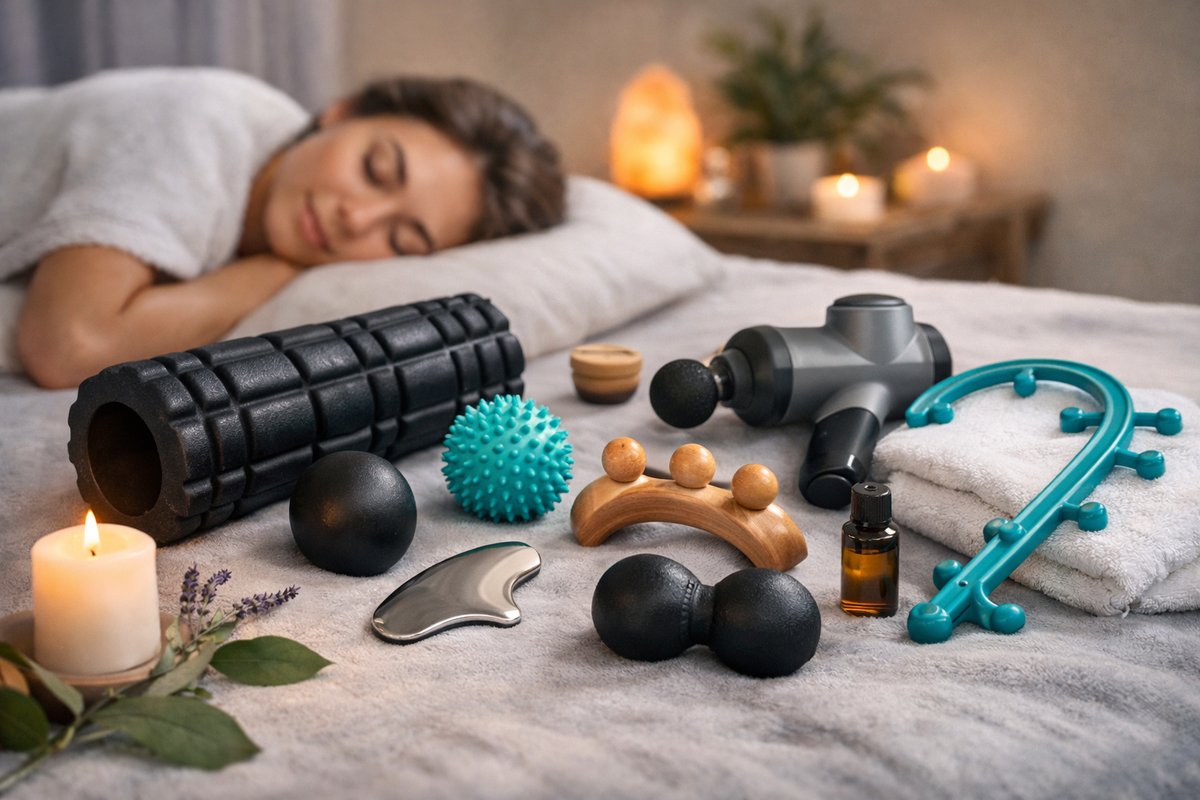
Your hands are versatile, but targeted tools can amplify results and reach deeper layers of muscle. A medium-density foam roller offers broad support for the calves, hamstrings, and upper back. Small massage balls-either single or in a set with varying firmness-excel at pinpointing knots in the shoulders, foot arches, and glutes. A handheld percussion massager provides pulsating vibrations to break up adhesions and accelerate warm-up before exercise. For controlled pressure along long muscles, a massage roller stick helps navigate the quadriceps and forearms without awkward positioning. Finally, a gentle glide can be enhanced by a light massage oil or lotion, reducing friction and allowing smooth, flowing movements.
Safe, Step-by-Step Techniques
Choose a quiet, well-lit space where you can move freely-either seated on a firm chair, standing near a wall, or reclining on a yoga mat. Begin with a brief warm-up: gently swing your arms, rotate the ankles, or march in place for a minute or two. When working with a foam roller, position it under the target muscle and use your body weight to control pressure. Roll slowly (about one inch per second) and pause for five to ten seconds on tender spots, breathing deeply. If using a massage ball, lean into a wall or lie on the floor, placing the ball at the center of tension. Experiment with small circular motions, keeping your breath steady. A percussion device can be run along muscles in sweeping motions for 30 to 60 seconds per area at a low to medium setting. Never press directly on bones, inflamed areas, or open wounds. If you experience sharp pain, ease off and consult reliable online tutorials or a licensed massage professional for guidance.
Enhancing Your Routine With Mindful Habits
Consistency is key to unlocking the full benefits of self-massage. Aim for five to ten minutes daily rather than occasional marathon sessions. Hydration helps flush metabolic byproducts released during tissue release-consider drinking a glass of water before and after. Pair your practice with soothing music, essential oil diffusers, or warm towels to engage multiple senses and deepen relaxation. Tracking progress in a simple log-jotting down which areas felt most improved, any lingering tightness, and shifts in mood-builds awareness and motivation. When you grow more confident, explore advanced moves: lymphatic drainage around the neck, hip-flexor releases for desk-bound workers, or integrated stretches to support flexibility.
Embracing a Lifelong Self-Care Ritual
Self-massage is more than a quick fix-it’s a gesture of self-compassion that reinforces body awareness and autonomy. By inviting intentional touch into your routine, you practice listening to physical signals, honoring your limits, and responding with care. Over months of regular practice, many people report not only reduced muscle soreness but also improved mood, clearer focus, and deeper sleep. Remember that every body is unique; let your comfort guide choice of tool, pressure, and timing. With patience and curiosity, self-massage can become a comforting ritual that supports both physical relief and emotional balance.
As you explore self-massage, allow the process to be flexible-some days you might focus on tension relief, other days on gentle prepping for workouts or long drives. View your tools as companions in a conversation with your body. Whether you’re winding down before bed or taking a midday pause, these moments of intentional touch can reshape how you relate to stress and soreness. Embrace self-massage as a simple, science-backed strategy for nurturing your wellbeing, one stroke at a time.