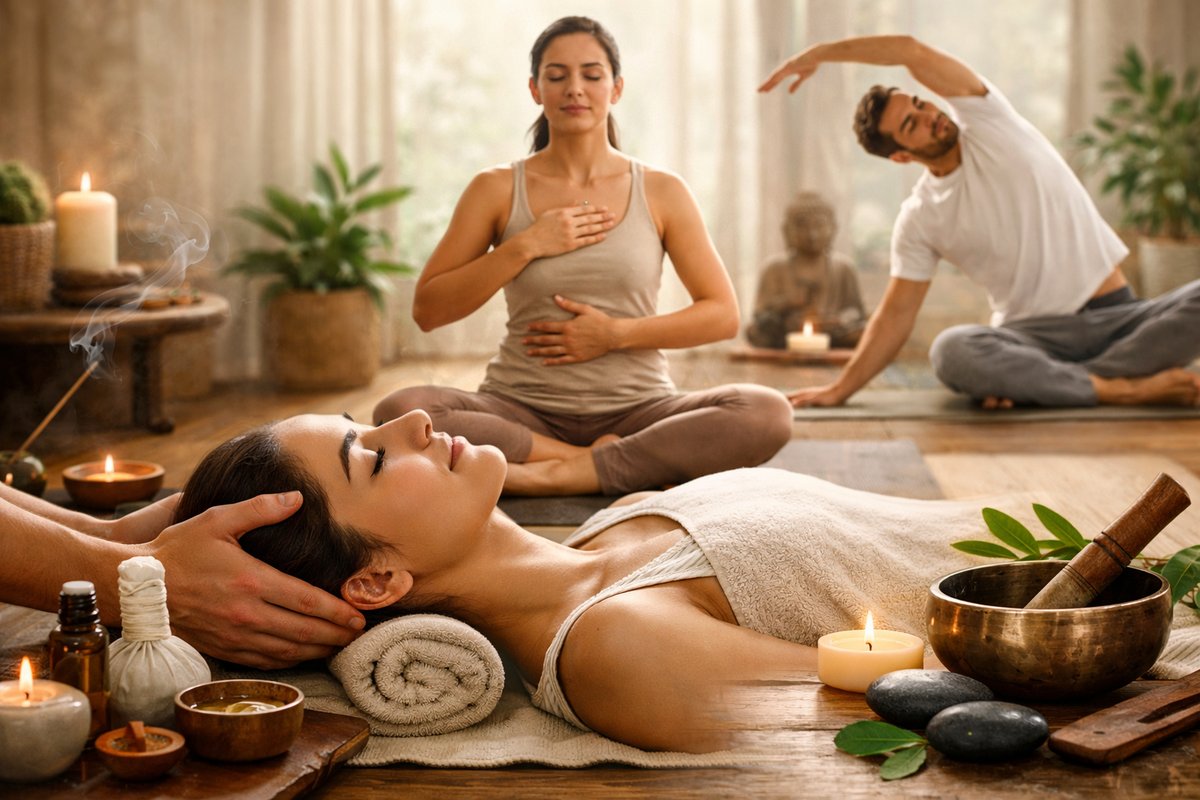

A Warm Welcome to Whole-Person Care
Wholistic massage matters because it speaks to more than sore muscles. It invites a gentle pause in a busy day and opens space to notice how body and mind flow together. When applied with awareness, thoughtful touch becomes a bridge between physical comfort, emotional ease, and daily habits. This article guides you through the practice, evidence and simple routines you can weave into an ordinary morning or quiet evening.
A Unified Approach to Body, Mind, and Daily Life
Instead of treating tension spots in isolation, wholistic massage views discomfort as one part of a larger picture. Stiff neck muscles may echo long hours spent hunched over a desk. A tight jaw might hint at unspoken stress. By observing posture, breath and emotional tone at once, you can tailor each touch to address root causes and create lasting relief.
At its core, this approach blends three elements:
• Intentional touch that soothes nerve endings and improves circulation
• Mindful breathing to anchor attention and invite relaxation
• Gentle movement or stretching to re-educate muscles and support good posture
When these elements work together, the nervous system shifts from a protective, “fight-or-flight” mode toward a state of calm restoration.
The Science of Gentle Touch
Research in massage therapy and physiology shows that slow, rhythmical strokes stimulate pressure receptors known as mechanoreceptors. These signals travel to the brain’s areas responsible for pain modulation and emotional regulation. In effect, consistent, gentle pressure can lower the production of stress hormones like cortisol and boost feel-good chemicals such as serotonin and oxytocin.
In one study of adults reporting mild chronic tension, participants who received a 20-minute session twice a week noted significant reductions in self-reported stress levels and improved sleep quality. Another trial found that combining breathing exercises with massage further enhanced heart-rate variability, a marker of balanced autonomic function. Though individual results vary, these findings underscore how thoughtful touch and breathwork reinforce each other.
Bringing Massage into Your Daily Routine
You don’t need a spa appointment to benefit from wholistic massage. By setting aside just five minutes, you can integrate easy practices at home, at your desk or even in bed before sleep.
1. Reset Breath and Shoulders
Find a comfortable chair. Place both feet flat on the floor and rest your hands on your thighs. Close your eyes for a moment and take three slow, deep breaths. On each exhale, imagine your shoulders dropping further from your ears. Notice how space between your shoulder blades opens.
2. Jaw Release
Using the pads of your index and middle fingers, apply gentle pressure on either side of the jaw joint, just in front of the earlobes. With smooth, circular motions, move your fingers slightly forward and down. Breathe slowly and tune in to sensations in the cheeks and temples.
3. Hand and Forearm Soothing
Stretch one arm out at shoulder height with the palm facing up. With your opposite hand, cradle the forearm and apply light compression along the length of the muscle, sliding from elbow toward wrist. Rotate the wrist slowly to soften tension in the tendons. Repeat on the other side.
By weaving these mini-routines into everyday pauses, you remind your body to relax in moments of high demand.
Simple Self-Massage Techniques
For a slightly longer at-home session, find a flat surface like a massage table, bed or firm floor mat. Gather a soft towel or cushion, and if you like, a small amount of unscented oil or lotion.
• Neck and Upper Back Release
Sit cross-legged or kneel so that your upper back rests against a rolled towel or small cushion. Lean back gently and allow your head to drop forward, then slowly roll your head side to side. This passive movement helps the neck muscles lengthen while stimulating upper-back tissue.
• Lower Back Soothing Strokes
Lie on your back with knees bent and feet flat. Place the palms of your hands on either side of the spine, just above the pelvis. Using gentle pressure, slide your hands upward along the curves of the back. Keep your elbows soft and use the weight of your arms instead of force.
• Calf and Ankle Comfort
Sit with one leg extended. Cup your calf with both hands and press thumbs into the muscle belly, moving slowly from ankle to knee. Once warmed, flex and point the foot to mobilize the ankle joint.
Each of these techniques can be practiced for five to ten minutes. Breathe deeply and allow your attention to rest in the area you’re massaging. If at any point you feel sharp pain, lighten the pressure or stop.
Creating a Supportive Environment
The setting you choose can amplify the benefits of wholistic massage. Consider these elements:
• Lighting: Soft, indirect light or natural daylight helps the nervous system ease. Avoid harsh overhead fixtures.
• Temperature: A cozy, slightly warm space encourages muscle relaxation. Layer a lightweight blanket nearby in case you feel cool.
• Sound: Quiet instrumental music, the gentle hum of a fan or the hush of nature recordings can anchor concentration. Silence works too, if you prefer.
• Comfort: A supportive chair or mat and a few pillows can make longer routines more inviting.
Even subtle changes in the environment signal to your mind and body that it’s time to slow down.
Encouraging Mindful Self-Care
Wholistic massage is more than a set of moves. It’s an invitation to practice curiosity, to listen closely to what your body and mind need. Some days you may crave deeper, firmer strokes. Other days a delicate touch paired with breath will feel enough. Over time, you’ll build an intuitive sense of pacing and pressure that works best for you.
Integrating these rituals into your lifestyle fosters resilience. When stress begins to mount, you have a repertoire of safe, evidence-informed tools ready. You learn not only to relieve tension in your muscles but also to rebuild trust in your own capacity for care and calm.
By honoring the whole person-body, mind and the rhythms of daily life-wholistic massage becomes a pathway to richer balance and ongoing wellbeing.