
Why Wholistic Massage Matters for Whole-Person Wellbeing
Our bodies hold a tapestry of physical sensations, memories, and stress patterns. Wholistic massage approaches that tapestry by honoring the interplay between muscle tension, breath rhythms, emotional currents, and daily habits. Rather than focusing solely on isolated knots or sore spots, a wholistic session considers posture, stress triggers, self-care routines, and even sleep quality. This nurturing, person-centered perspective can deepen relaxation, foster self-awareness, and help us carry calm and balance into each day.
Blending Touch, Breath, and Mindful Awareness
At the heart of wholistic massage is the seamless integration of three elements:
• Gentle Touch: Slow strokes, comfortable pressure, and rhythmic movements encourage the nervous system to shift from a fight-or-flight state to one of rest and restoration. Techniques such as effleurage (long, flowing strokes) and gentle kneading create a sensory environment of safety.
• Mindful Breathing: Synchronizing breath with touch can amplify relaxation. Breathing slowly into areas of tension-imagine breathing into your shoulders or lower back-invites those muscles to release. Therapists often guide clients to inhale deeply through the nose, hold briefly, then exhale fully through relaxed lips.
• Body-Mind Dialogue: Encouraging gentle awareness of sensations helps people notice where they hold stress. A simple prompt like “notice any warmth or heaviness in your neck” bridges physical feeling with mental attention. This mindful dialogue can be as transformative as the hands-on work itself.
Evidence-Informed Benefits Backed by Research
Studies published in reputable journals show that integrative massage techniques can:
• Lower levels of the stress hormone cortisol, helping reduce feelings of anxiety
• Stimulate production of endorphins and oxytocin, which support positive mood and social connection
• Improve sleep quality by calming the autonomic nervous system
• Reduce muscle stiffness and improve joint mobility through increased blood flow and lymphatic drainage
These findings echo what many people notice in personal experience: a deeper sense of ease, more flexible movement, and an improved ability to handle daily pressures.
Simple Self-Care Practices to Carry Forward
You don’t need to be on a massage table to enjoy wholistic benefits. Try these gentle self-care steps at home:
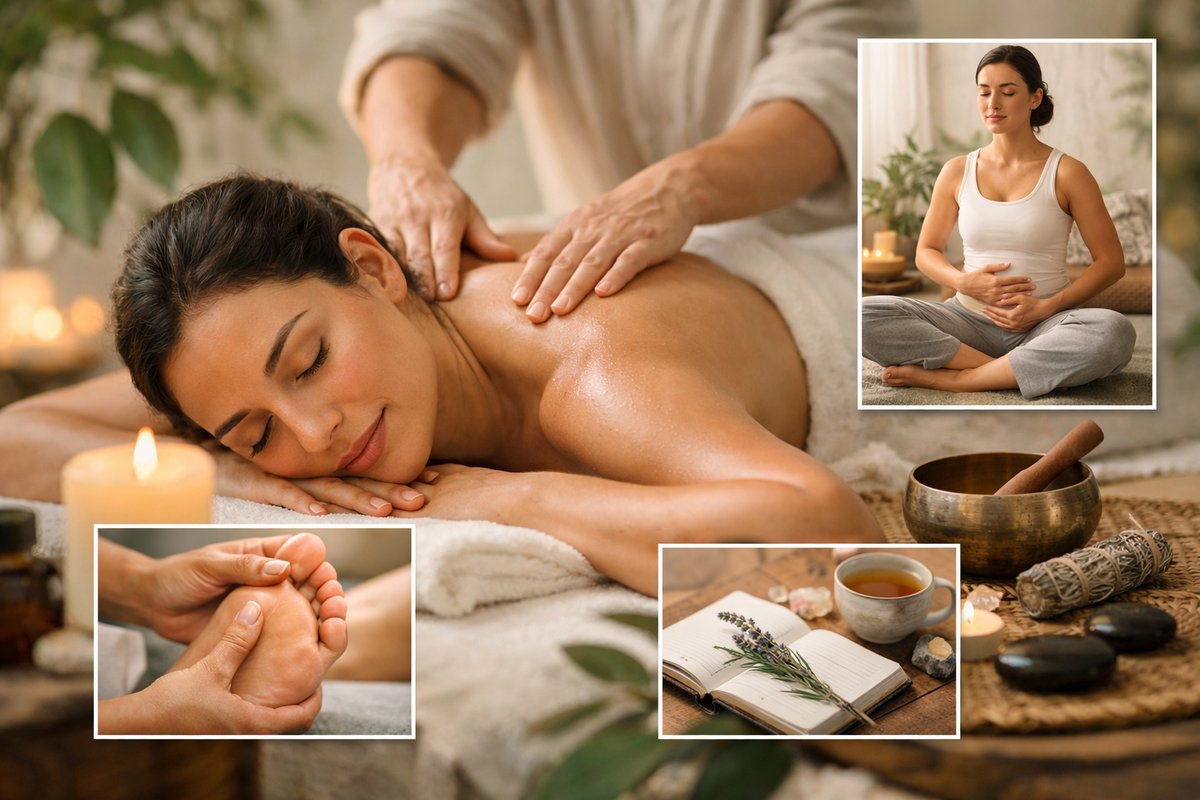
• Hand Massage: Using your opposite hand or a soft rubber ball, gently roll over the arch of your foot or palm of your hand. Spend two minutes focusing on slow, circular motions to invite warmth and release tension.
• Shoulder Release Hack: Clasp hands behind your back and draw shoulders down and back. Hold for five slow breaths to counteract forward-hunched posture, especially after long hours at a desk.
• Breath-Guided Stretch: Inhale as you lift arms overhead, exhale as you fold forward with a soft bend in the knees. Repeat three times, noticing how each breath eases tension along the spine.
• Self-Acupressure: Apply steady, gentle pressure with your thumb to the fleshy area between your thumb and index finger. Hold for 30 seconds-many find this relieves headaches and scalp tension.
Creating a Calming Environment
Setting matters as much as technique. Consider these small touches:
• Lighting: Soft, diffused light helps signal to your nervous system that it’s time to unwind. A salt lamp or dimmable lamp can make a big difference.
• Soundscape: Low-volume nature sounds, ambient music, or white-noise machines can deepen relaxation and help you stay present.
• Scent: A drop of mild essential oil (such as lavender or chamomile) on a cotton ball nearby can enhance a sense of calm. Always test for skin sensitivity and never apply undiluted oils directly to the skin.
Working with a Wholistic Massage Practitioner
When you choose to work with a licensed professional, communication is key. Share any chronic tension areas, stress levels, sleep patterns, and emotional concerns. A skilled practitioner will guide breath cues, offer supportive bolsters for posture, and blend modalities like myofascial release or gentle stretching. Trust your comfort levels: adjust pressure, ask for breaks, or suggest a different approach if something feels too intense.
Nurturing Long-Term Balance
The real magic of wholistic massage unfolds when it becomes part of a broader self-care tapestry. Combine regular sessions or home practices with balanced movement (walking, yoga, or gentle tai chi), mindful pauses during the workday, and evening rituals that support restorative sleep. Over time, these interconnected habits strengthen resilience, helping you respond to new stressors with greater ease.
A Gentle Invitation to Self-Care and Body Awareness
Wholistic massage is more than an occasional treat: it’s an invitation to slow down, connect body and mind, and cultivate a gentle awareness of daily patterns. Whether you carve out just five minutes at home or schedule monthly sessions with a trained therapist, you’re investing in a kinder relationship with your body. Notice the small shifts in breathing, posture, and mood-and allow that compassionate attention to ripple outward into all aspects of your life.