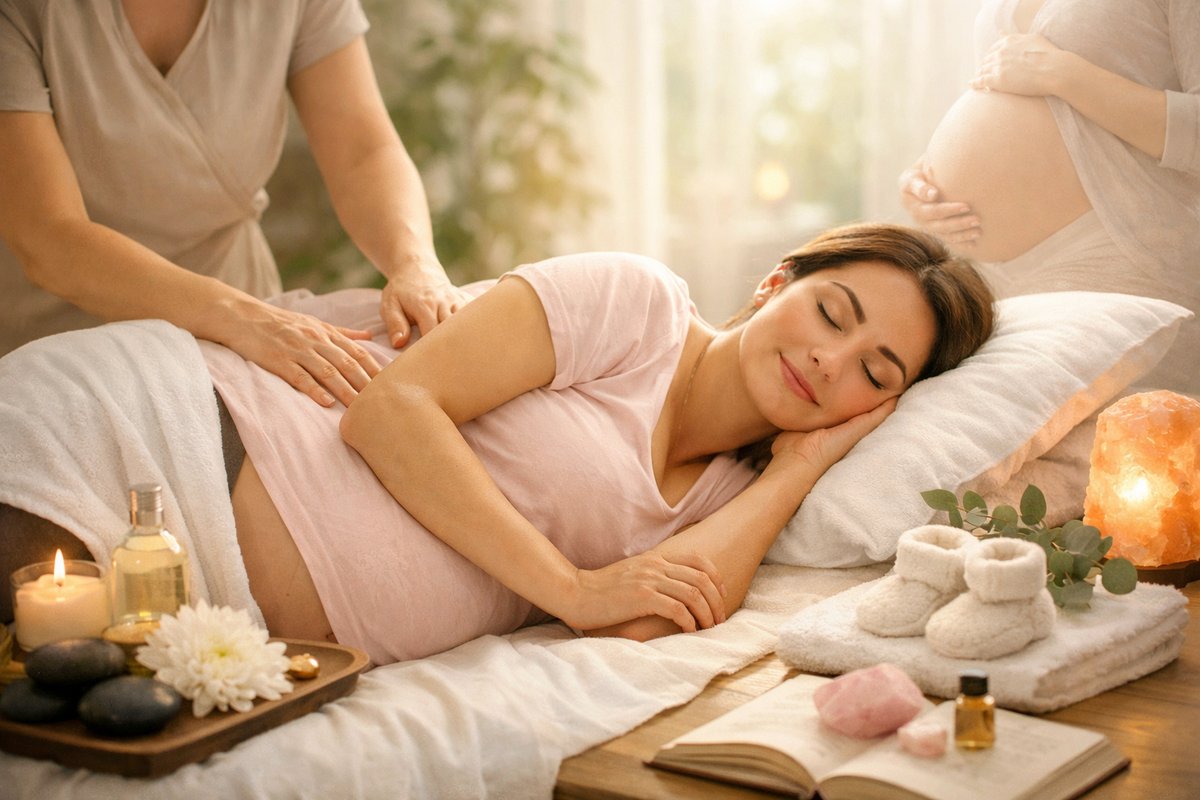

Pregnancy transforms the body in remarkable ways, bringing new curves, shifts in posture, and fluctuating energy levels. Amid these changes, gentle touch can offer soothing relief. Prenatal massage isn’t just a luxury-it’s a mindful practice that helps ease muscle tension, reduce stress hormones, and promote better sleep. Whether you’re visiting a trained therapist or exploring safe self-massage methods at home, understanding the basics lays the foundation for a more comfortable journey.
Preparing for Prenatal Massage
The first step in making massage work for you is setting up a welcoming environment. Choose a quiet room at a comfortable temperature, dim the lights, or draw soft curtains to reduce glare. A full-length bolster or pregnancy body pillow supports the hips, lower back, and belly when lying on your side, the recommended position after the first trimester. If you plan to book a professional session, look for a therapist certified in prenatal massage who can adjust pressure and positioning according to your stage of pregnancy.
Practical tip: Before your appointment or self-massage session, drink a glass of water to stay hydrated. Healthy circulation supports tissue health and helps flush away metabolic byproducts that build up during deep relaxation.
Gentle Techniques and Their Benefits
Most prenatal massage routines rely on slow, rhythmic strokes and varying degrees of pressure tailored to each body’s comfort level. A common sequence begins with long effleurage strokes along the back and shoulders, encouraging blood flow and easing tight muscles. Light petrissage-gentle kneading-around the glutes and thighs can alleviate pelvic tension. Calf stroking and ankle rotations nurture circulation in the lower limbs, where fluid retention often causes discomfort.
Evidence snapshot: A 2022 review in a reputable journal of maternal health found that regular prenatal massage reduced levels of the stress hormone cortisol by up to 30 percent, while also lowering back pain scores. Participants reported improved sleep quality and reduced anxiety.
Safety reminder: Avoid deep tissue techniques over varicose veins or swollen areas, and always check with your healthcare provider before beginning any new bodywork practice.
Safety Considerations and Seeking Professional Guidance
While massage carries many rewards, pregnancy introduces specific precautions. Steer clear of direct pressure on the abdomen. Focus on supporting joints and muscle groups that bear added weight-like the lower back, hips, and neck. If you notice any unusual symptoms-dizziness, spotting, or pain-pause the session and consult a medical professional.
When choosing a therapist, ask about their prenatal credentials and experience. A skilled practitioner will know to avoid key acupuncture points near the ankles and wrists that can potentially trigger contractions. They’ll also tailor oil or lotion choices to avoid skin sensitivities. Look for fragrance-free or mild, plant-based massage oil if you’re prone to nausea or have sensitive skin.
Incorporating Self-Massage and Home Care
Between professional visits, simple self-massage tools and stretches can offer ongoing relief. A lightweight foam roller or massage ball works well on the shoulders and upper back when placed against a wall. For foot massages, roll your arches over a small, firm ball-this gesture feels grounding and can ease restless legs. Always move slowly, breathing into each stretch or stroke.
Yoga-inspired hip-openers and pelvic tilts also support muscular balance. Lying on your side with knees bent, gently rock the pelvis forward and back to release lower-back stiffness. Finish with a few minutes of quiet breathing, placing one hand on your belly to connect with evolving movement patterns.
Embrace the Comfort
As you explore prenatal massage, remember that support extends beyond one session. Build a routine of gentle touch, hydration, and mindful breathing to carry those feelings of ease into daily life. By honoring your body’s changing needs and tuning in to what feels restorative, you create space for deep rest and a more joyful pregnancy experience.
Care for yourself with patience and kindness-your well-being matters as much as the new life unfolding within. Let every stroke and stretch be an invitation to cultivate awareness, alleviate tension, and celebrate the beautiful process of nurturing both body and baby.