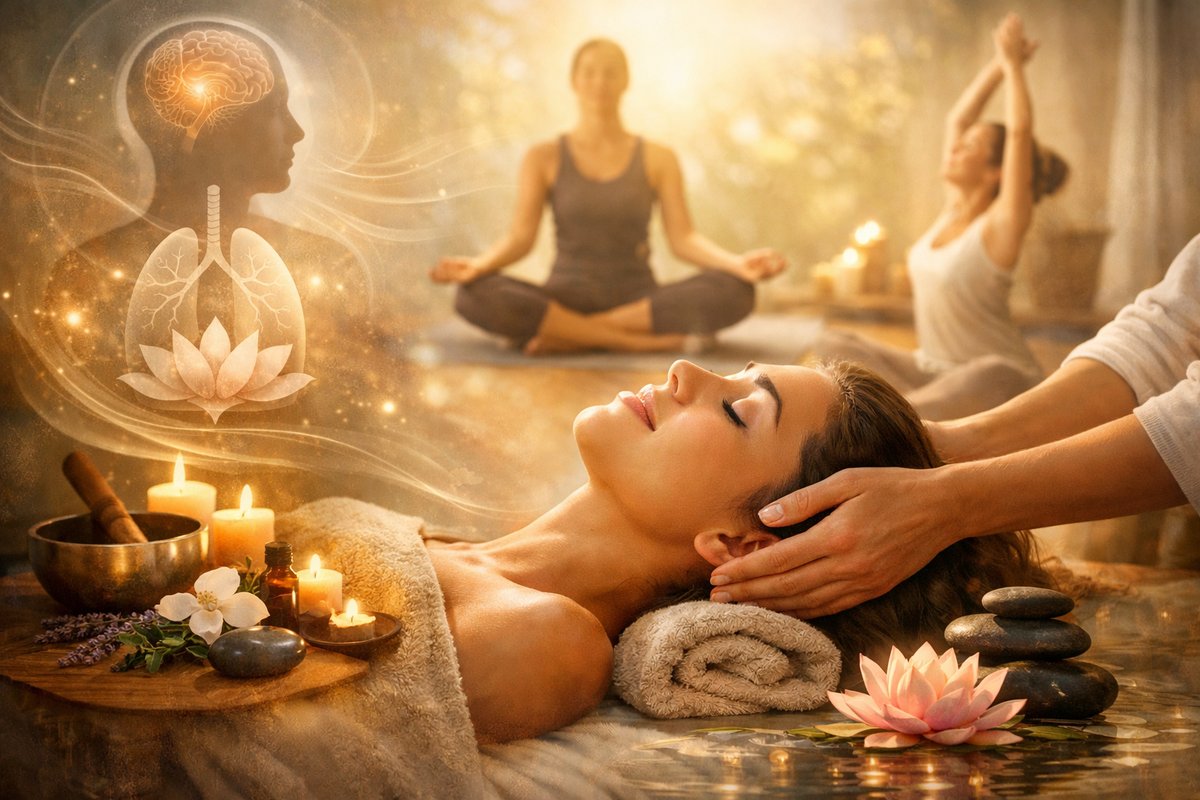

The Heart of Wholistic Care
The modern pace of life often fragments our attention between work, chores, and screens. In that swirl, the body and mind can feel out of sync. Wholistic massage matters because it treats the person as a unified system-body, emotions, and daily habits-rather than isolating a muscle group or symptom. By blending gentle manual techniques with mindful breathing and subtle movement, this style of massage promotes relaxation, eases physical tension, and invites a sense of grounded presence.
Guided by respect for personal boundaries and comfort, wholistic massage weaves together calming touch and intuitive pacing. The therapist tunes into each individual’s unique needs, adjusting pressure, speed, and focus areas as you communicate what feels supportive. This alliance allows the body’s natural capacity for calm to emerge without forcing results or rigid protocols.
Touch, Breath, and Gentle Movement
At its core, wholistic massage relies on three complementary elements:
• Mindful Touch: Warm, sustained hand movements using palm and fingertip pressure help release tension in muscles and connective tissue. Techniques such as long gliding strokes and gentle kneading work in harmony to promote circulation and sensory awareness.
• Conscious Breathing: Encouraging a natural, unhurried breath pattern enhances the massage’s calming effects. When you inhale softly and exhale fully, the nervous system shifts into a more relaxed mode, allowing deeper body release.
• Simple Joint Movement: Incorporating gentle stretches or passive range-of-motion exercises can help maintain joint mobility and relieve stiffness. These subtle movements, performed with patient guidance, reinforce the sense that body and mind move together as one.
Self-Massage Practices to Weave into Your Day
Even without a professional therapist, you can borrow wholistic principles for brief rituals at home or the office. Here are safe, accessible techniques:
• Neck and Shoulder Glide: Sit upright, feet flat on the floor. Place your hands on the base of the skull and apply soft pressure. Inhale deeply, then as you exhale, glide your fingertips down along the sides of your neck and across the tops of your shoulders. Repeat five times, moving in concert with your breath.
• Palm Pressure for the Feet: While seated, cross one ankle onto the opposite thigh. Use the heel of your hand to press gently into the arch of your foot, rolling from heel to ball. This stimulates circulation and provides a soothing ground for tension held in the lower body.
• Forearm Self-Roll: Prop a foam roller or a firm cylindrical object on the floor. Rest one forearm on it and use your other hand to apply moderate weight, rolling back and forth from wrist to elbow. This simple motion can ease tightness from long hours at a desk.
Before any self-massage, check that you feel secure and supported. Avoid areas of open wounds, bruises, or acute inflammation. If discomfort increases, ease off or consult a qualified massage professional.
Evidence-Informed Benefits
Research in peer-reviewed massage journals highlights several advantages of wholistic techniques when integrated into a balanced lifestyle:
• Stress Reduction: Controlled touch and breath-focused work trigger a decrease in stress hormones and an uptick in parasympathetic (rest-and-digest) activity, helping lower heart rate and blood pressure.
• Tension Release: Studies show that gentle, sustained pressure can interrupt muscle guard and improve tissue pliability, reducing the likelihood of chronic tightness in neck, shoulders, and low back.
• Enhanced Body Awareness: When massage is paired with mindful movement, clients often report heightened interoception-the ability to sense internal body states-which can foster better posture and movement habits throughout the day.
While massage should never replace medical treatment, these findings support wholistic massage as a valuable complement to overall wellbeing routines.
Integrating Wholistic Touch into Your Routine
Consistency, even in small doses, can yield meaningful shifts:
• Weekly Home Rituals: Dedicate ten minutes in the morning or evening for self-massage and breath work. Commit to gentle hands-on exploration of areas that hold stress, such as the jawline, shoulders, or lower legs.
• Mindful Transitions: Turn everyday moments-waiting for the kettle to boil, standing in line-into brief awareness checks. Gently massage the back of your hands or the tissue between thumb and forefinger while taking three full breaths.
• Breath-Anchored Check-Ins: Set a daily reminder on your phone or tie the practice to a routine event (lunch, afternoon break). Place one hand on the chest and one on the belly. Notice the rise and fall of breath for five cycles, allowing tension to soften.
A Path to Mindful Self-Care
Wholistic massage offers more than momentary relief-it equips you with tools for nurturing ongoing balance in body and mind. By weaving mindful touch, simple movement, and gentle breath awareness into daily life, you reinforce the idea that care is a continuous, self-empowering practice rather than a rare luxury. Start small, honor your unique rhythms, and trust that even a few minutes of calming touch can ripple outward, inviting steadiness and ease into every corner of your day. As you cultivate this compassionate presence, you may discover deeper connection, resilience, and a renewed sense of harmony within your whole self.